

Close Menu
Flat Living
    Facebook X (Twitter) Instagram
    • Home
    • About Us
    • Flat Living Sponsorship
    • Get In Touch
    • Directory
    • Subscribe
    LinkedIn Facebook X (Twitter) Instagram
    Flat Living
    • Block Management
      • Manage Your Block
        • Self Manage
        • Using a Managing Agent
        • Right to Manage
        • Forming a RMC
        • Managing Listed Flats
        • Communal Areas
      • Lease
        • About Your Lease
        • Buying Your Freehold
        • Extending Your Lease
      • Service Charges
        • About Service Charges
        • Service Charge Accounting
        • Collections and Arrears
        • Section 20
      • Health & Safety
        • Asbestos – Air – Water
        • Employing Contractors
        • Fire Protection
        • Fire Regulation
        • Health & Safety Law
      • Insurance
        • Buying Insurance for Your Block
        • Insurance Risk Management
        • Reinstatement Cost Assessment
        • Insurance for Communal Areas
        • Water Damage Prevention
        • Insurance for Buy to Let Landlords
        • Directors & Officers Liability Insurance
        • Making a Claim
      • Disputes
        • Landlord Disputes
        • Neighbour Disputes
        • Property Disputes
      • Major Works
        • About Major Works
        • Party Walls and Neighbour Matters
        • Section 20
      • Cleaning & Maintenance
        • Cleaning
        • Grounds
        • Maintenance
      • Communal Facilities
        • Lifts
        • EV Charging
        • Door Access and Gates
        • Heating & Utilities
        • Lighting
        • TV and Telecoms
      • Emergencies
        • Break-Ins
        • Lift
        • Out of Hours
        • Roof
        • Water
      • Software
      • Case Law
      • Customer Service & Marketing
      • FAQ
    • Leaseholders
      • Manage Your Block
        • Self Manage
        • Using a Managing Agent
        • Right to Manage
        • Forming a RMC
        • Managing Listed Flats
        • Communal Areas
      • Lease
        • About Your Lease
        • Buying Your Freehold
        • Extending Your Lease
      • Service Charges
        • About Service Charges
        • Collections and Arrears
        • Service Charge Accounting
        • Section 20
      • Disputes
        • Landlord Disputes
        • Neighbour Disputes
        • Property Disputes
      • Major Works
        • About Major Works
        • Party Walls and Neighbour Matters
        • Section 20
      • Communal Facilities
        • Lifts
        • EV Charging
        • Door Access and Gates
        • Heating & Utilities
        • Lighting
        • TV and Telecoms
      • Software
      • Landlords
        • Buying a Flat
        • Letting a Flat
        • Selling a Flat
      • Emergencies
        • Break-Ins
        • Lift
        • Out of Hours
        • Roof
        • Water
      • FAQ
    • Lifestyle
    • News
      • Industry News
      • Interviews
      • Opinion
      • Jobs
      • Flat Living Back Issues
    • Events, Training and Jobs
      • Events
      • Training
      • Jobs
    • Block Services
      • Flat Living Directory
    • Industry Associations
      • ARMA
      • ARHM
      • ALEP
      • FPRA
      • IRPM
      • Leasehold Advisory Service
      • Property Redress Scheme
      • National Leasehold Group
      • RICS
      • The Property Ombudsman
    Flat Living
    Home » Old Meets New: Managing Lift Projects in Listed and Historic Buildings

    Old Meets New: Managing Lift Projects in Listed and Historic Buildings

    0
    By ILECS on September 1, 2026 Cleaning and Maintenance, Historic Building Repair and Maintenance, Industry News, Lift, Lifts, Major Works, Managing Listed Flats, News

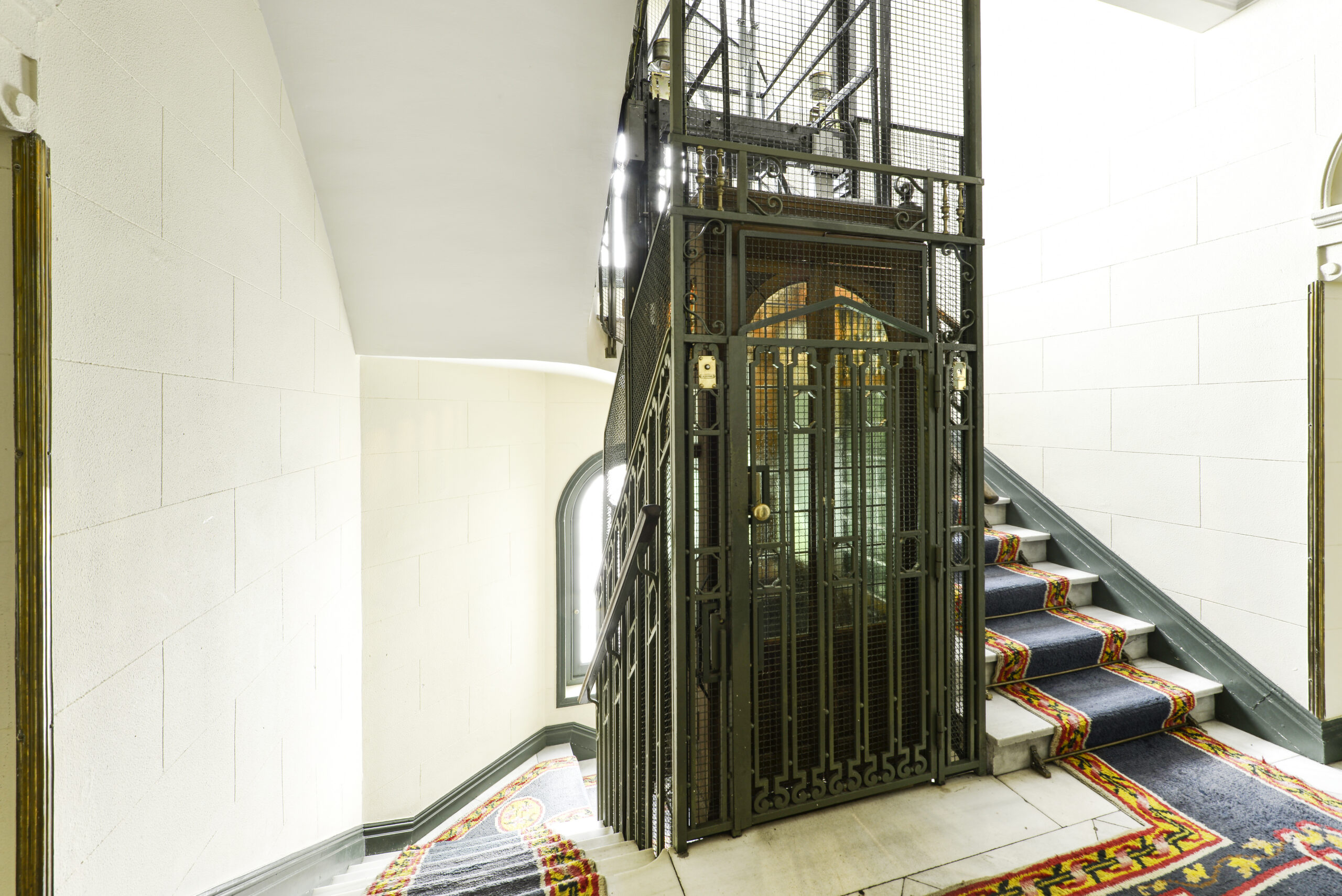
    There is something special about stepping into a historic building. The materials, detailing and craftsmanship tell a story that may have been developing for generations.

    So, what happens when the lift at the heart of that building reaches a point where it needs significant refurbishment, modernisation or replacement?

    Suddenly, a lift project becomes more than a technical exercise. The challenge is to improve reliability and performance while ensuring the finished lift remains sympathetic to its surroundings.

    For property managers, building owners and leaseholders, getting that balance right requires careful thought from the very beginning.

    Why lift projects in historic buildings need a different approach

    No two lift projects are exactly alike. The age and condition of the equipment, how frequently it is used and the needs of the buildings all influence the decisions that need to be made.

    Within a listed or historic building, there is another important consideration: character.

    A completely modern aesthetic might work perfectly in a contemporary office development. Place the same finishes, fixtures and entrances inside a historic property, however, and they could feel noticeably out of place.

    That means the lift needs to be considered as part of the building as a whole, not simply as a piece of machinery that needs replacing.

    In some buildings, this also means consulting the relevant heritage orders to understand which elements are protected. These requirements can directly influence the scope of the lift project, with specifications needing to be carefully developed around protected sections of the building rather than treating the installation as a blank canvas.

    Preserve, modernise or replace?

    One of the first questions is how much of the existing lift can, or should, remain.

    Does the equipment require complete replacement? Could modernisation extend its service life? Are there existing features worth retaining while other components are upgraded?

    There isn’t a universal answer.

    ILECS consultants manage lift modernisation, refurbishment, replacement and installation projects, with full design duties available to clients undertaking these works. The objective is to help clients navigate the technical and commercial considerations surrounding their project and make informed decisions about the future of their lifting equipment.

    This becomes particularly important when the desired outcome is not simply “new”, but new equipment that belongs in an old building.

    Making a new lift feel at home

    A successful project can introduce modern technology without losing sight of the existing aesthetic.

    Visible elements such as the lift car, landing entrances, doors, controls and finishes all contribute to how the finished installation sits within the property.

    Sometimes the most appropriate solution may be deliberately understated. In other situations, existing details can provide inspiration for the new design.

    The important point is that these decisions should form part of the project conversation early on.

    After all, the best result isn’t necessarily the lift that looks the newest. It is the lift that meets the building’s operational requirements while feeling appropriate for its surroundings.

    Why early independent lift consultancy matters

    Lift projects can involve a complex mix of regulations, standards, technical challenges and commercial considerations. ILECS’ Navigate service is designed to professionally manage these projects, helping clients understand the process and make informed decisions along the way.

    Bringing an independent lift consultant into the conversation early can therefore be particularly valuable.

    ILECS operates independently and impartially of lift service providers and manufacturers, with an emphasis on factual, honest and commercially astute advice.

    Rather than starting with a contractor’s preferred solution, independent consultancy allows the project to start with a more important question:

    What is right for this lift, this building and the people responsible for it?

    That can help establish a clear project brief before major decisions are made and ensure technical requirements, long-term performance, costs and aesthetics are considered together.

    The best lift projects respect what came before

    Modernising lifting equipment within a historic property doesn’t have to mean sacrificing its character.

    With careful planning and informed design decisions, it is possible to create a lift that performs for the future while remaining sympathetic to the building around it.

    And that is ultimately what a well-considered lift project should achieve: not change for change’s sake, but an improvement that respects what was there before.

    Planning refurbishment, modernisation or replacement works to a lift within a listed or historic building? Contact ILECS to discuss your lift project and find out how independent lift consultancy can help you navigate the process.

    historic buildings industry news lifts Listed and Historic Buildings Listed Blocks News
    Share. Facebook Twitter Pinterest LinkedIn Tumblr Email
    ILECS
    • Website

    We are ILECS, the UK’s leading lift consultancy. We’ve provided truly independent advice about the lift and escalator industry for over 30 years. From lift design and engineering to admin support and lift management, it’s our job to help lift owners understand and manage the challenges they face. ILECS | 01206 399555 | [email protected]

    Related Posts

    What It Really Takes to Manage London’s Heritage Buildings

    Heritage at Risk: What Happens When a Listed Block Falls into Disrepair?

    Challenges of Maintaining Listed Buildings

    Comments are closed.

    You are here:

    Home → Manage Your Block → Managing Listed Flats

    Latest Articles
    September 1, 2026

    What It Really Takes to Manage London’s Heritage Buildings

    September 1, 2026

    Old Meets New: Managing Lift Projects in Listed and Historic Buildings

    August 26, 2026

    From Strangers to Neighbours: Building Community in Your Block

    August 26, 2026

    Hampstead Flat Living

    • Manage Your Block
    • Lease
    • Health & Safety
    • Insurance
    • Disputes
    • Major Works
    • Cleaning and Maintenance
    • Communal Facilities
    • Software
    • Landlords
    • Events, Training and Jobs
    • Customer Service & Marketing
    • Case Law
    • News
    • Interviews
    • Opinion
    About Flat Living

    Flat Living is a trading name of www.flat-living.co.uk Ltd.  Registered Office: 3rd Floor, St. David's Court, Union Street, Wolverhampton, WV1 3JE.

    Registered in England and Wales CRN No. 06738048.

    Quick Site Links
    • About Us
    • Contact Us
    • Industry Associations
    • Flat Living Sponsorship
    Search This Website
    • Home
    • Get In Touch
    • Cookie Policy
    • Privacy Notice

    Type above and press Enter to search. Press Esc to cancel.