


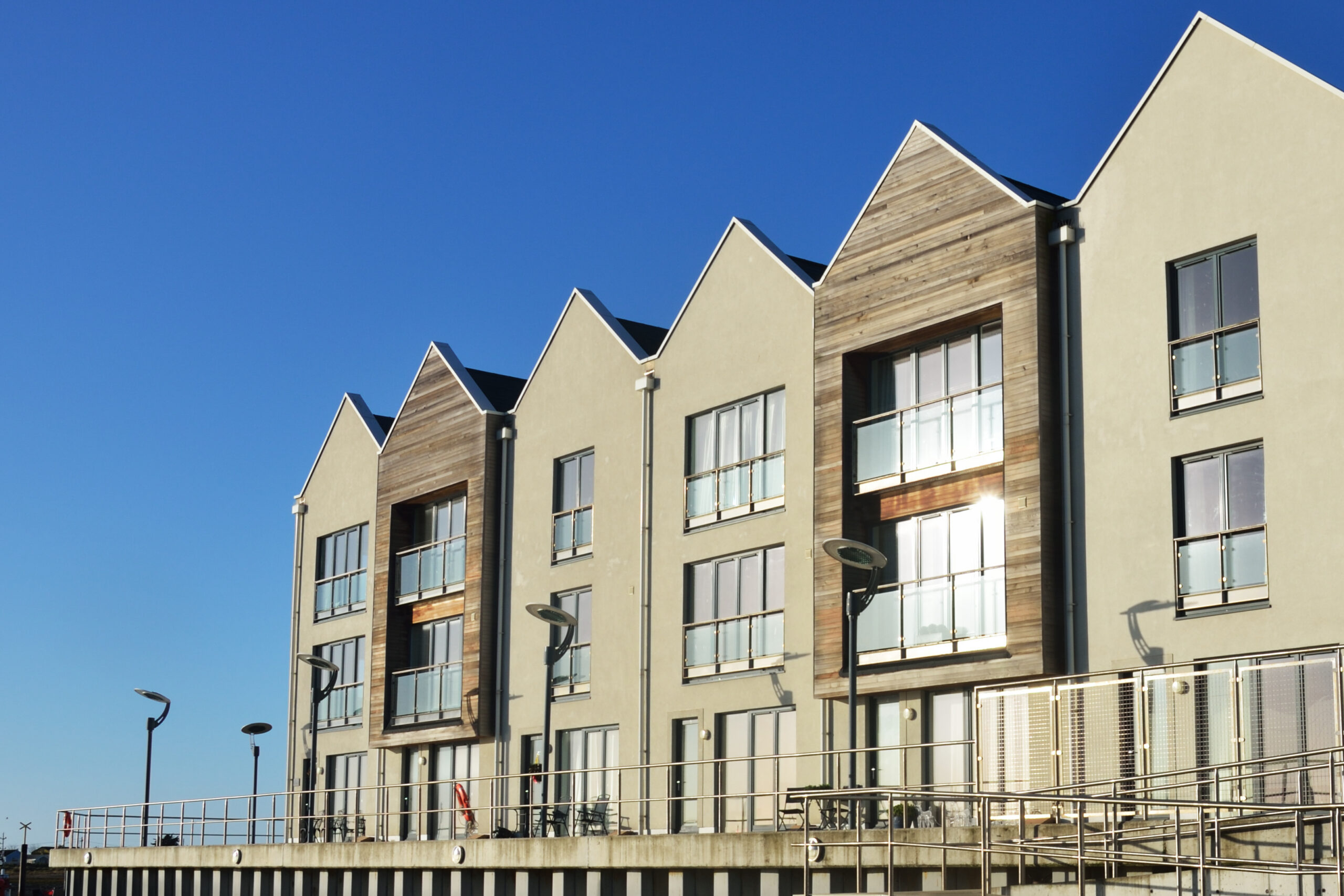
Maintaining a block of flats involves more than responding to problems as they arise. Roofs, lifts, drainage systems, communal heating equipment and external decorations all require attention throughout the building’s life, and many will eventually need significant repair or replacement.
For those at the helm of a residential building, the challenge is knowing what work will be needed, when it should take place and how much it is likely to cost. Up-to-date building valuations, supported by condition surveys and lifecycle assessments, can provide a useful starting point. Together, they help create a clearer picture of the building’s long-term needs and support a more strategic approach to maintenance.
Understanding What Valuations Can Tell Us
Different types of building assessment provide different information. An insurance, reinstatement valuation estimates the cost of rebuilding a property. It considers factors such as construction materials, building size, design complexity and professional fees.
While its primary purpose is to establish an appropriate sum insured, the information gathered can also help property managers understand the building’s construction and characteristics. However, a reinstatement valuation is not a substitute for a building condition survey.
Condition surveys assess the state of individual building elements, identify defects and highlight areas requiring attention. Lifecycle assessments can then estimate when components may need repair or replacement. Used together, these assessments provide a stronger foundation for planning future maintenance and capital expenditure.
Moving from Reactive to Planned Maintenance
Reactive maintenance is sometimes unavoidable. Pipes burst, equipment fails and unexpected damage occurs. However, relying too heavily on emergency repairs can be expensive and disruptive.
Emergency contractor callouts may cost more, and temporary repairs can sometimes lead to repeated expenditure without resolving the underlying problem. Planned maintenance allows management teams to identify developing issues and address them before they become serious.
For example, a condition survey might identify deterioration to roof coverings or drainage systems. Scheduling repairs early could prevent water entering the building and damaging individual flats or communal areas. This approach can help reduce disruption, improve building performance and provide greater control over expenditure.
Prioritising Work According to Risk and Condition
Not every maintenance project can be completed immediately. Budgets are limited, and some repairs will naturally be more urgent than others. Professional assessments help management teams distinguish between essential safety work, repairs needed to prevent further deterioration and improvements that can reasonably be scheduled for later. Fire safety defects, structural concerns and serious water ingress will generally require more urgent attention than cosmetic improvements.
The age and expected remaining lifespan of building components should also influence decisions. For example, replacing a lift that is becoming increasingly unreliable may be a higher priority than redecorating a communal entrance that remains in reasonable condition. A structured approach ensures that decisions are based on evidence rather than whichever issue generates the most complaints.
Understanding the Lifecycle of Building Components
Every part of a building has an expected service life, although actual performance depends on its quality, use, exposure and maintenance history. Roofs, windows, lifts, boilers and other systems may require substantial investment at different stages.
Lifecycle planning involves estimating when these costs are likely to arise and allowing for them in long-term budgets. These forecasts will not be exact, but they provide a useful framework. Regular inspections can then be used to adjust the timetable as the building ages or its condition changes.
Creating a Realistic Maintenance Schedule
Once the building’s likely requirements are understood, they can be organised into a planned preventative maintenance programme. This should identify the work required, its priority, estimated cost and anticipated timescale. It may cover annual servicing and inspections alongside larger projects scheduled over five, ten or even twenty years.
A clear programme also helps identify opportunities to coordinate work. For example, if scaffolding is needed for roof repairs, it may be worth considering whether external decorations or other necessary high-level maintenance could be carried out at the same time. Combining suitable projects can reduce repeated access costs and disruption, provided the timing and scope are appropriate.
Linking Maintenance Plans to Reserve Funds
A long-term maintenance programme is only effective if there is a realistic strategy for funding it. Reserve and sinking funds can help blocks prepare for major expenditure by collecting contributions gradually through service charges where permitted by the lease.
Condition surveys, lifecycle assessments and reliable cost estimates provide the evidence needed to calculate appropriate contributions. Without this information, a block may collect too little and face substantial funding shortfalls when major works become necessary. Equally, contributions should be reasonable and supported by identifiable future needs.
For leaseholders, a well-planned funding strategy can reduce the likelihood of unexpected demands for large payments and make annual service charge budgets easier to understand.
Keeping Plans Up to Date
Building conditions and construction costs change over time. A component expected to last another ten years may deteriorate more quickly than anticipated, while others may remain serviceable for longer. Inflation, labour costs, new regulations and changes in building use can also affect maintenance budgets.
Regular reviews are therefore essential. Reinstatement valuations should be updated at appropriate intervals to support accurate insurance cover, while condition surveys and maintenance forecasts should be reviewed to reflect the building’s current needs.
Major refurbishment projects or significant changes to the building may also justify reassessing existing plans. The aim is to maintain an accurate, practical picture rather than relying on estimates prepared many years earlier.
Better Communication with Leaseholders
Maintenance expenditure can be a source of disagreement, particularly when leaseholders are asked to contribute towards work that does not appear immediately necessary. Professional assessments can help explain why particular projects have been prioritised.
Rather than simply announcing a future roof replacement, managing agents can explain that a condition survey has identified deterioration and that planned replacement may be more economical than repeated repairs. Sharing summaries of maintenance programmes, anticipated costs and reserve fund balances can also demonstrate how service charge contributions are being used.
Clear communication helps residents understand that maintenance decisions are part of a wider strategy rather than isolated spending decisions.
Protecting the Building’s Long-Term Value
Regular maintenance helps preserve the condition, safety and appearance of a residential building. It can also reduce the likelihood of expensive secondary damage caused by neglected defects. A building with a documented maintenance history and a realistic programme of future works may be more reassuring to prospective purchasers than one with significant unresolved problems.
Good maintenance records can also support discussions with insurers and provide continuity when managing agents or directors change. Although planned maintenance cannot prevent every unexpected repair, it helps demonstrate that the building is being managed responsibly.
A More Strategic Approach to Block Management
Building valuations are most useful when considered alongside condition surveys, lifecycle assessments and maintenance records. Together, they provide the information needed to make informed decisions about priorities, budgets and future capital projects.
For building managers, this means greater control over maintenance expenditure and fewer surprises. For leaseholders, it can mean more predictable service charges, less disruption and greater confidence that their contributions are being used effectively.
Ultimately, planned maintenance is about protecting the building before problems become expensive emergencies. By using accurate assessments to guide long-term decisions, blocks can maintain better standards, manage costs more effectively and deliver lasting value for everyone involved.
