


The way buildings and facilities are designed and managed plays a critical role in shaping residents’ health and wellbeing.
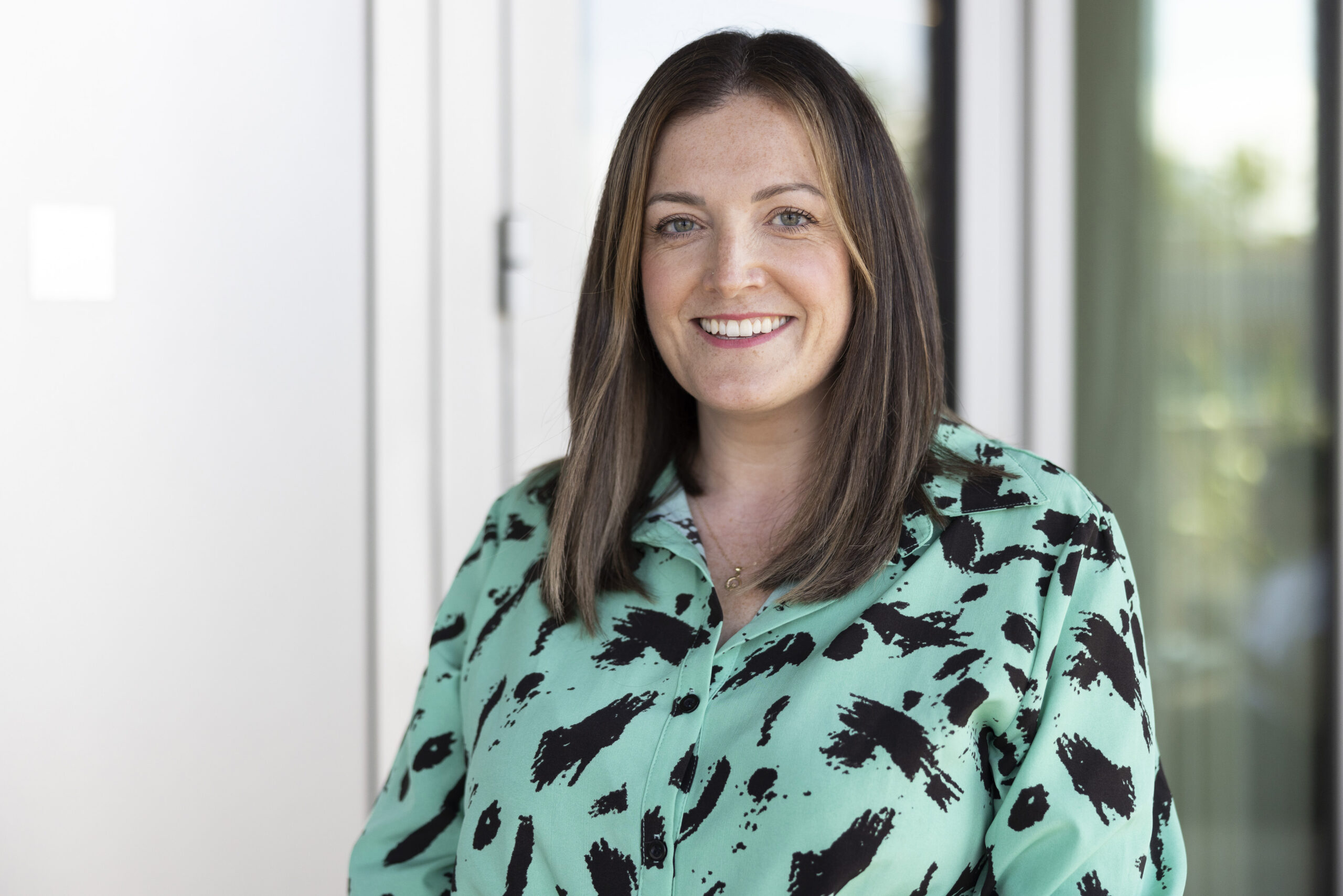
Jessica Farrell, Director of Developer Account Management at FirstPort, comments:
At a basic level, it is clear that the places we live in influence how we feel and function. Our surroundings shape everything from our daily routines to our overall sense of comfort and security.
The concept of neuroarchitecture builds on this idea, recognising that the design of buildings can directly influence behaviour and cognitive response. Even subtle factors such as light, space, layout and air quality can affect how people experience their environment.
It follows that both the initial design of homes and their long-term management have a meaningful impact on wellbeing.
As a property management company, our role is to ensure that the environments people live in are well maintained, functional, and supportive of everyday life. This extends beyond individual homes to the shared spaces that residents interact with daily.
Design plays a key role in how residents experience their homes and their neighbours. Acoustics, for example, can significantly influence comfort levels. While soundproofing within apartments is essential, the placement and use of communal areas is equally important. Locating shared lounges or play areas away from private living spaces can help minimise disruption and reduce potential stress.
The way residents move through a building also shapes their experience. Entrances, corridors and communal areas that are well designed, clearly laid out and properly maintained contribute to a sense of ease and safety.
These shared or ‘third’ spaces should also support natural interaction between residents. Thoughtful zoning, furniture placement and flexible use of space can encourage connection across different age groups and lifestyles. On a larger scale, activating these areas through events can help foster a sense of community and belonging.
From a management perspective, creating opportunities for engagement is just as important as the physical design itself. Simple interventions such as noticeboards, regular communication from on-site teams, and organised events can help residents feel more connected to where they live. Whether through newsletters or community activities, these touchpoints help turn shared spaces into lived spaces.
However, the success of well-designed developments is ultimately determined over time. How a building performs on day one is important, but how it is maintained day to day is what defines the resident experience.
Local property managers play a key role in this. Through consistent standards of maintenance, attention to detail, and proactive management of communal and outdoor spaces, they help ensure that developments continue to function as intended. Well-managed environments reduce uncertainty, improve consistency, and contribute to a stronger sense of home.
Engaging residents in how their buildings are managed is also essential. Encouraging feedback and acting on it where possible helps build trust and reinforces a sense of ownership.
Ultimately, design and management must work together. Homes should not simply provide accommodation but support the way people live. When approached in a joined-up way, they can create environments that actively contribute to residents’ overall wellbeing.