

Close Menu
Flat Living
    Facebook X (Twitter) Instagram
    • Home
    • About Us
    • Flat Living Sponsorship
    • Get In Touch
    • Directory
    • Subscribe
    LinkedIn Facebook X (Twitter) Instagram
    Flat Living
    • Block Management
      • Manage Your Block
        • Self Manage
        • Using a Managing Agent
        • Right to Manage
        • Forming a RMC
        • Managing Listed Flats
        • Communal Areas
      • Lease
        • About Your Lease
        • Buying Your Freehold
        • Extending Your Lease
      • Service Charges
        • About Service Charges
        • Service Charge Accounting
        • Collections and Arrears
        • Section 20
      • Health & Safety
        • Asbestos – Air – Water
        • Employing Contractors
        • Fire Protection
        • Fire Regulation
        • Health & Safety Law
      • Insurance
        • Buying Insurance for Your Block
        • Insurance Risk Management
        • Reinstatement Cost Assessment
        • Insurance for Communal Areas
        • Water Damage Prevention
        • Insurance for Buy to Let Landlords
        • Directors & Officers Liability Insurance
        • Making a Claim
      • Disputes
        • Landlord Disputes
        • Neighbour Disputes
        • Property Disputes
      • Major Works
        • About Major Works
        • Party Walls and Neighbour Matters
        • Section 20
      • Cleaning & Maintenance
        • Cleaning
        • Grounds
        • Maintenance
      • Communal Facilities
        • Lifts
        • EV Charging
        • Door Access and Gates
        • Heating & Utilities
        • Lighting
        • TV and Telecoms
      • Emergencies
        • Break-Ins
        • Lift
        • Out of Hours
        • Roof
        • Water
      • Software
      • Case Law
      • Customer Service & Marketing
      • FAQ
    • Leaseholders
      • Manage Your Block
        • Self Manage
        • Using a Managing Agent
        • Right to Manage
        • Forming a RMC
        • Managing Listed Flats
        • Communal Areas
      • Lease
        • About Your Lease
        • Buying Your Freehold
        • Extending Your Lease
      • Service Charges
        • About Service Charges
        • Collections and Arrears
        • Service Charge Accounting
        • Section 20
      • Disputes
        • Landlord Disputes
        • Neighbour Disputes
        • Property Disputes
      • Major Works
        • About Major Works
        • Party Walls and Neighbour Matters
        • Section 20
      • Communal Facilities
        • Lifts
        • EV Charging
        • Door Access and Gates
        • Heating & Utilities
        • Lighting
        • TV and Telecoms
      • Software
      • Landlords
        • Buying a Flat
        • Letting a Flat
        • Selling a Flat
      • Emergencies
        • Break-Ins
        • Lift
        • Out of Hours
        • Roof
        • Water
      • FAQ
    • Lifestyle
    • News
      • Industry News
      • Interviews
      • Opinion
      • Jobs
      • Flat Living Back Issues
    • Events, Training and Jobs
      • Events
      • Training
      • Jobs
    • Block Services
      • Flat Living Directory
    • Industry Associations
      • ARMA
      • ARHM
      • ALEP
      • FPRA
      • IRPM
      • Leasehold Advisory Service
      • Property Redress Scheme
      • National Leasehold Group
      • RICS
      • The Property Ombudsman
    Flat Living
    Home » The Legal Shift Affecting Lift Projects in Higher-Risk Buildings
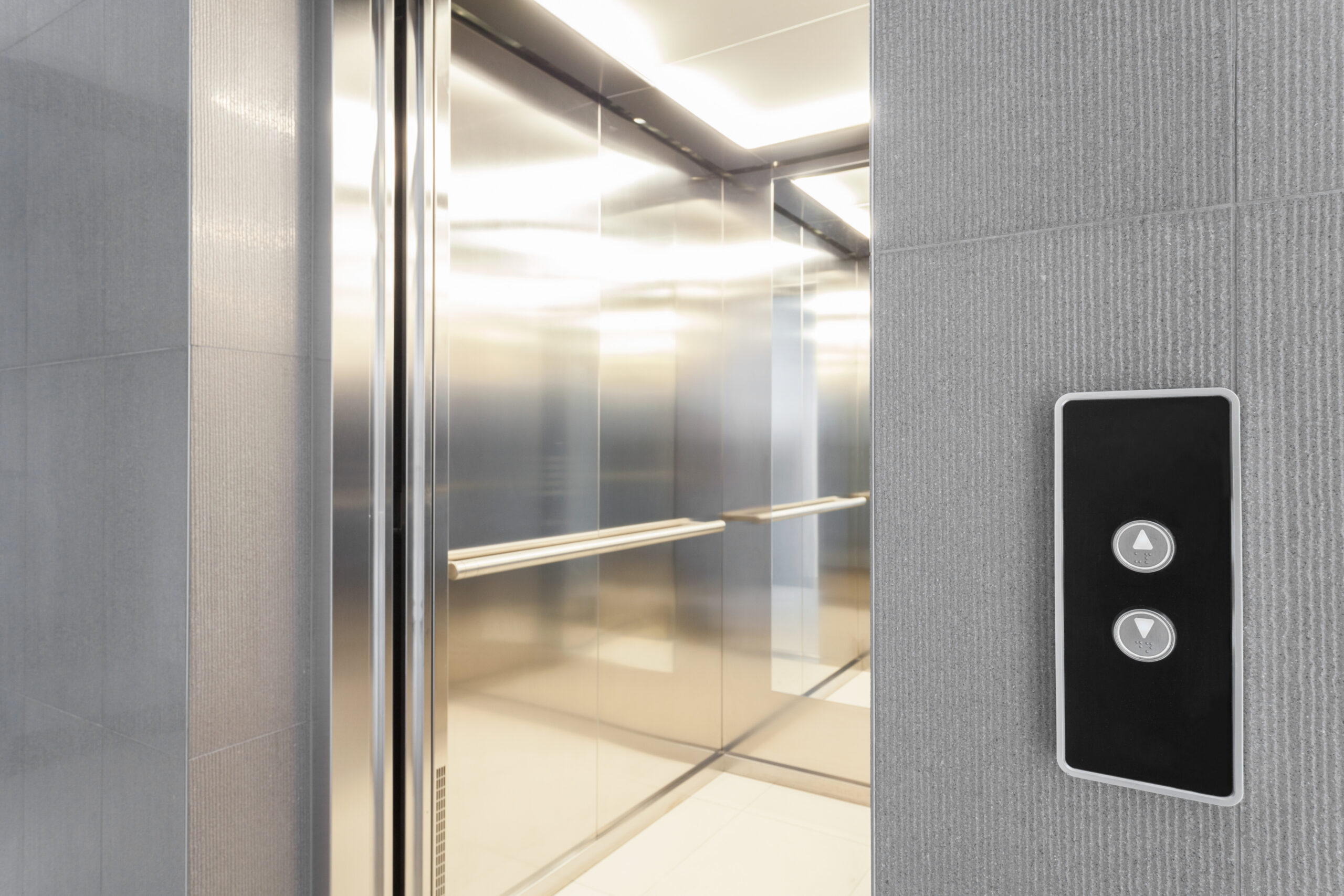
    Close-up of entry to elevator in modern building

    The Legal Shift Affecting Lift Projects in Higher-Risk Buildings

    0
    By ILECS on May 27, 2026 Case Law, Communal Facilities, Emergencies, Health and Safety, Health and Safety Law, Industry News, Lift, Lifts, News

    In recent months, a recurring theme has emerged across the lift industry where lift projects are taking longer to get moving.

    For facilities managers, property owners, and those responsible for higher-risk buildings (HRB’s), delayed mobilisation can quickly become a source of frustration. Questions inevitably follow. Are contractors overstretched? Are supply chain pressures still lingering? Has project delivery slowed?

    In our experience, the answer is more nuanced, and importantly, it points to a fundamental shift in process rather than performance.

    The reality is that many lift projects are not taking longer to complete. They are taking longer to begin. The distinction matters, particularly in the context of evolving legal and regulatory obligations surrounding building safety.

    At the centre of this shift sits the Building Safety Regulator (BSR).

    Introduced as part of wider reforms to improve accountability and safety standards in higher-risk buildings, the building safety regulator has transformed how certain construction and refurbishment works progress, particularly where approvals and compliance are concerned.

    For those involved in lift modernisation, replacements, and installations, this has introduced a new planning reality.

    A Necessary Evolution in Building Safety

    Few would argue against the intent behind the reforms. Following heightened scrutiny of safety standards across the built environment, stronger oversight was inevitable and necessary.

    The Building Safety Regulator was established to improve governance, strengthen accountability, and ensure safety considerations are embedded throughout a project lifecycle.

    In practical terms, this means more rigorous review procedures before work can begin.

    For lift systems, a critical element of any high-rise building, that scrutiny is especially important. Yet while the objectives are positive, the impact on project timelines is becoming increasingly visible.

    The Gateway Challenge

    A common misunderstanding among stakeholders is that delays stem from slower contractor performance or inefficiency in project delivery.

    In many cases, that is not what we are seeing.

    The introduction of Gateway submissions under the BSR framework has created formal approval stages that must be satisfied before projects can progress into construction. These submissions require detailed technical information, compliance evidence, and robust documentation for review.

    As many in the sector are discovering, this process takes time.

    Where information requires clarification, designs are particularly complex, or submissions are incomplete, approval periods can extend beyond initial expectations. Consequently, programmes that once appeared straightforward now demand greater patience and early preparation.

    This is particularly relevant for higher-risk buildings, where compliance obligations are naturally more stringent.

    What Expectations Need to Shift

    The implications for property professionals are significant. Traditional project planning models often focused heavily on procurement and delivery times. Increasingly, however, the most critical phase may be the one that happens before a contractor even steps on site.

    We are seeing a growing need for building owners and managers to rethink how they programme works, communicate timelines internally, and manage stakeholder expectations.

    Without an understanding of Gateway delays, there is a risk of misattributing responsibility. Projects can appear stagnant despite extensive work taking place behind the scenes to satisfy regulatory requirements.

    That misunderstanding can create unnecessary pressure on consultants, contractors, and internal teams alike.

    Planning Earlier Is No Longer Optional

    If there is one lesson emerging from the new regulatory landscape, it is this: early engagement has become essential.

    Whether planning a lift replacement, modernisation, or major upgrade, factoring in additional time for approvals is now a critical part of project success.

    In our experience, the organisations navigating this transition most effectively are those engaging specialist advice early, preparing detailed submissions from the outset, and aligning stakeholders around realistic delivery expectations.

    The regulatory environment has changed, and with it, the rules around project planning.

    For those considering lift projects in the near future, the message is simple: start conversations sooner than you think you need to.

    The role of the building safety regulator is unlikely to diminish, and while enhanced scrutiny may extend pre-construction timelines, it also represents an important step towards safer, more accountable buildings.

    If you are considering a lift project and want clarity on likely timelines, Gateway requirements, or the practical implications of new regulations, speaking to an independent specialist early can make all the difference.

    industry news lifts News
    Share. Facebook Twitter Pinterest LinkedIn Tumblr Email
    ILECS
    • Website

    We are ILECS, the UK’s leading lift consultancy. We’ve provided truly independent advice about the lift and escalator industry for over 30 years. From lift design and engineering to admin support and lift management, it’s our job to help lift owners understand and manage the challenges they face. ILECS | 01206 399555 | [email protected]

    Related Posts

    If You Wait Until It Fails, You’ve Already Waited Too Long

    Commonhold Reform Needs Candour as Well as Ambition

    The Renters’ Rights Act “Growing Lease” Trap: SDLT on Assured Tenancies After 1 May 2026

    Comments are closed.

    You are here:

    Home → Communal Facilities → Lifts

    Latest Articles
    May 27, 2026

    If You Wait Until It Fails, You’ve Already Waited Too Long

    May 27, 2026

    Commonhold Reform Needs Candour as Well as Ambition

    May 27, 2026

    The Legal Shift Affecting Lift Projects in Higher-Risk Buildings

    May 26, 2026

    The Renters’ Rights Act “Growing Lease” Trap: SDLT on Assured Tenancies After 1 May 2026

    • Manage Your Block
    • Lease
    • Health & Safety
    • Insurance
    • Disputes
    • Major Works
    • Cleaning and Maintenance
    • Communal Facilities
    • Software
    • Landlords
    • Events, Training and Jobs
    • Customer Service & Marketing
    • Case Law
    • News
    • Interviews
    • Opinion
    About Flat Living

    Flat Living is a trading name of www.flat-living.co.uk Ltd.  Registered Office: 3rd Floor, St. David's Court, Union Street, Wolverhampton, WV1 3JE.

    Registered in England and Wales CRN No. 06738048.

    Quick Site Links
    • About Us
    • Contact Us
    • Industry Associations
    • Flat Living Sponsorship
    Search This Website
    • Home
    • Get In Touch
    • Cookie Policy
    • Privacy Notice

    Type above and press Enter to search. Press Esc to cancel.