


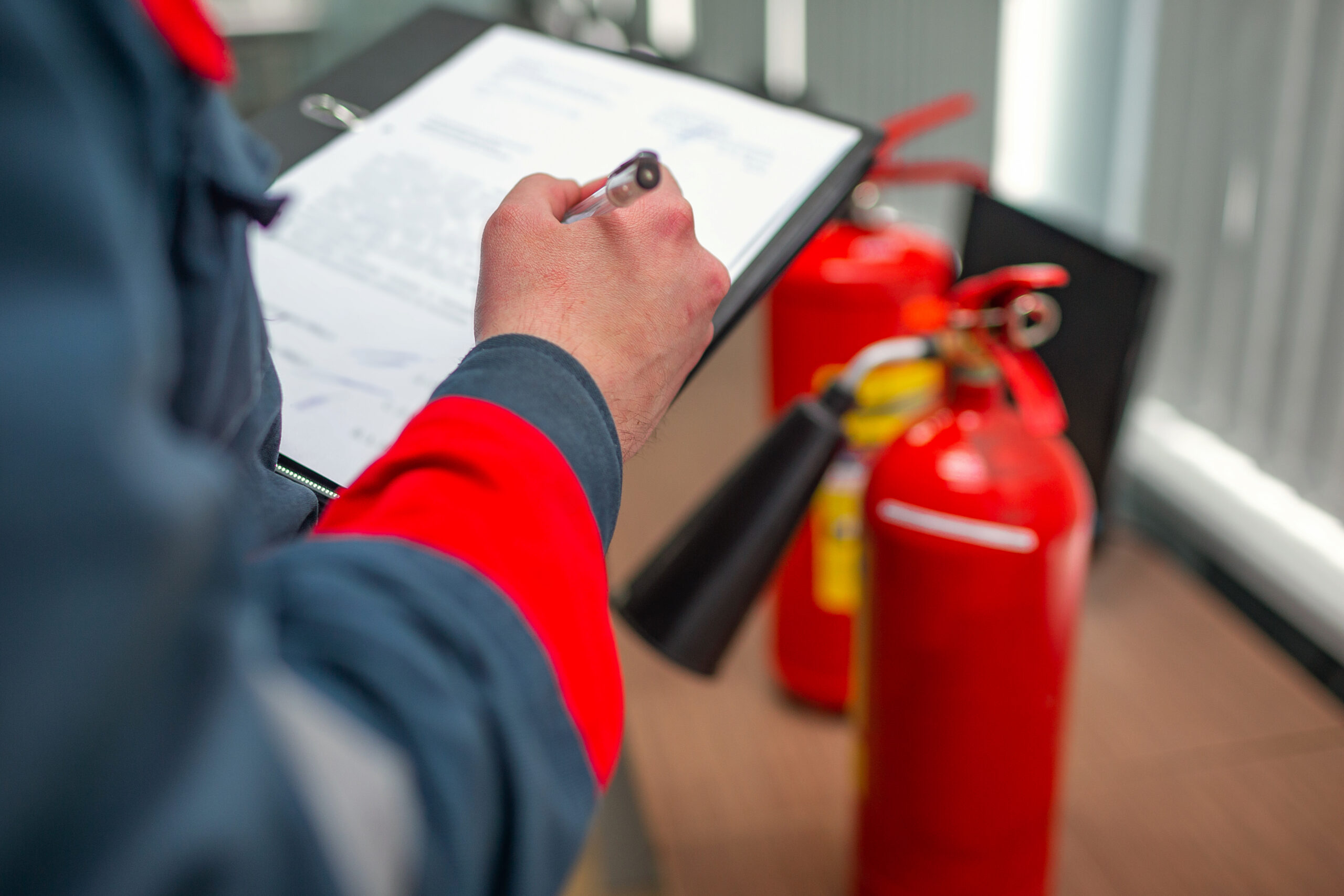
We all hope that fire safety equipment will never be needed, but if a fire does occur, residents need to feel confident that fire doors will close correctly, emergency lighting will work and alarms or other safety systems will perform as intended.
Installing suitable equipment is only ever the beginning. Regular inspection, testing and maintenance are essential to ensure it remains effective. For freeholders, Resident Management Company and Right to Manage directors and managing agents, this means taking a planned approach rather than waiting for something to fail.
Fire Safety Is an Ongoing Responsibility
Under the Regulatory Reform (Fire Safety) Order 2005, the person or organisation with legal responsibility for fire safety in a building is known as the Responsible Person. In a block of flats, this might be the freeholder, management company, RTM company, housing association or local authority. A managing agent may carry out tasks on the Responsible Person’s behalf, but this does not automatically transfer legal responsibility.
The Responsible Person must ensure appropriate fire precautions are provided in the common parts, based on a suitable and sufficient fire risk assessment. Government guidance also makes clear that fire safety equipment and facilities should be maintained in “efficient working order and good repair”. Fire safety is therefore an ongoing process, rather than something addressed only when a fire risk assessment is due.
What Equipment Needs Attention?
The equipment found in a block will depend on its design, height, age and fire safety strategy. Common measures include”
- Fire doors and self-closing devices
- Emergency lighting
- Smoke control systems
- Alarms or detection systems
- Fire safety signs
- Firefighting equipment
Larger buildings may have additional measures, such as sprinklers, evacuation lifts or firefighters’ lifts.
Some important measures are less visible. Fire-resistant walls, floors and compartmentation help prevent fire and smoke spreading through a building. Work involving pipes, cables and other services must therefore be carefully managed so openings do not undermine this protection.
Within flats, residents may also have smoke or heat alarms. Responsibility for these can vary depending on tenure and building arrangements, so residents should understand which equipment they need to test or maintain themselves.
Pay Particular Attention to Fire Doors
Fire doors help contain fire and smoke while protecting escape routes and they can been far too easily compromised. A wedged-open door cannot perform its intended function, while damaged seals, hinges or self-closing devices can also reduce protection.
The Fire Safety (England) Regulations 2022 introduced specific requirements for multi-occupied residential buildings. Where the top storey is more than 11 metres above ground level, Responsible Persons must check communal fire doors at least every three months and use best endeavours to check flat entrance fire doors at least annually.
Plan Maintenance Rather Than Waiting for Failure
Fire safety equipment should never be managed solely on a “fix it when it breaks” basis. Some defects may not be obvious during everyday use – emergency lighting, for example, could appear fine until the mains electricity fails. A planned maintenance schedule helps prevent this while also helping directors and managing agents plan a budget rather than dealing with unexpected failures.
The schedule should clearly identify what needs checking, when it will be checked, who is responsible and what happens when a fault is discovered. The appropriate frequency will depend on the equipment, manufacturer guidance, relevant standards and findings of the fire risk assessment.
Choose Competent Contractors
Some routine checks can be straightforward while others require specialist knowledge and equipment. Fire alarm systems, emergency lighting, smoke control equipment and complex fire-door repairs may all need appropriately competent contractors.
Managing agents and directors should be satisfied that contractors have suitable skills, knowledge, experience and understanding of the systems involved. Using the right people reduces the risk of poor repairs and provides greater confidence that safety-critical equipment has been properly inspected.
Keep Clear Records
Good record-keeping is an important part of fire safety management. Records should include inspection and testing dates, findings, faults, remedial works and outstanding actions. Contractor reports and relevant certificates should also be stored securely and remain easy to access.
Clear records allow management teams to identify recurring problems and ensure recommendations are followed through. They also provide continuity when managing agents, directors or contractors change.
Residents Have an Important Role to Play
Residents may not be responsible for servicing communal equipment, but everyday behaviour can affect how well fire safety measures work. Fire doors should not be wedged open, smoke or heat detectors should not be covered or disabled, and escape routes and communal areas should remain free from obstruction.
Residents should also be encouraged to report defects such as a fire door that no longer closes, damaged emergency lighting or a warning showing on an alarm system promptly. Make it easy for residents to know who to contact and how to report a problem.
Communicate What Is Happening
The Fire Safety (England) Regulations require Responsible Persons in relevant multi-occupied residential buildings to provide residents with fire safety instructions and information about fire doors.
Ongoing fire safety work can feel invisible to residents – regular communication helps demonstrate that risks are being actively managed. Residents should be told when important inspections are taking place, especially if access to flats is required.
Following significant checks, a brief update can confirm that inspections have been completed and explain whether further work is planned. This also provides an opportunity to remind residents of their responsibilities.
Fire Safety and Insurance
Good fire safety management is also relevant to buildings insurance. Insurers need accurate information about the risks associated with a building and the measures used to control them.
Regular inspections, maintenance records and evidence that defects have been addressed can help demonstrate a proactive approach to risk management.
A Proactive Approach Builds Confidence
Regular fire safety maintenance helps protect residents and gives them confidence that their building is being managed responsibly. Planned inspections, competent contractors, accurate records and prompt remedial action all contribute to a stronger fire safety culture in the building.