


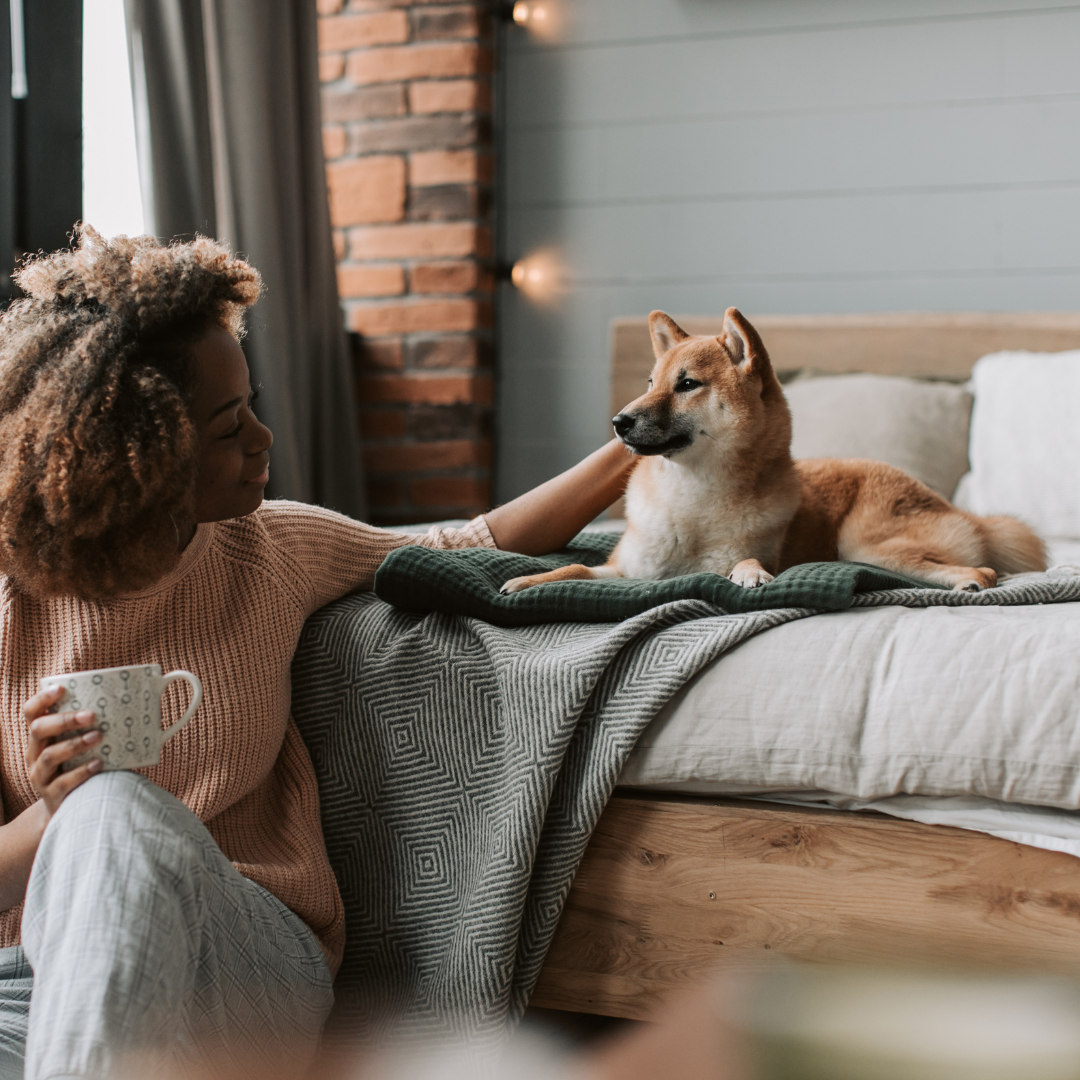
For many people, a home simply isn’t complete without a pet. They bring companionship, comfort and purpose to everyday life. While living with pets in a flat comes with unique challenges, it is entirely possible to create a happy home for humans and animals alike.
The key lies in thoughtful preparation, considerate behaviour, and making sure your pet’s needs are met alongside those of your neighbours. Here’s how to enjoy apartment living with pets while maintaining harmony in a shared building.
Check the Rules Before You Move In
Before bringing a pet into a flat, it’s important you understand any rules that apply to your building. Some leasehold properties include restrictions on certain types of pets, while others require written permission from a freeholder or managing agent.
Tenants should also check their tenancy agreement before introducing a pet to a rented property. Tenancy agreements are usually very clear on this. Understanding the rules from the outset can help avoid disputes later and ensure both you and your pet can settle in comfortably.
Pet-Proof Your Flat
Just as parents childproof their homes, pet owners should take steps to make their flats safe and secure. Start by identifying potential hazards and mitigating risks.
Examples include:
- Securing loose electrical cables
- Removing toxic houseplants
- Storing cleaning products safely
- Keeping small objects out of reach
- Ensuring balconies are safe and escape-proof…
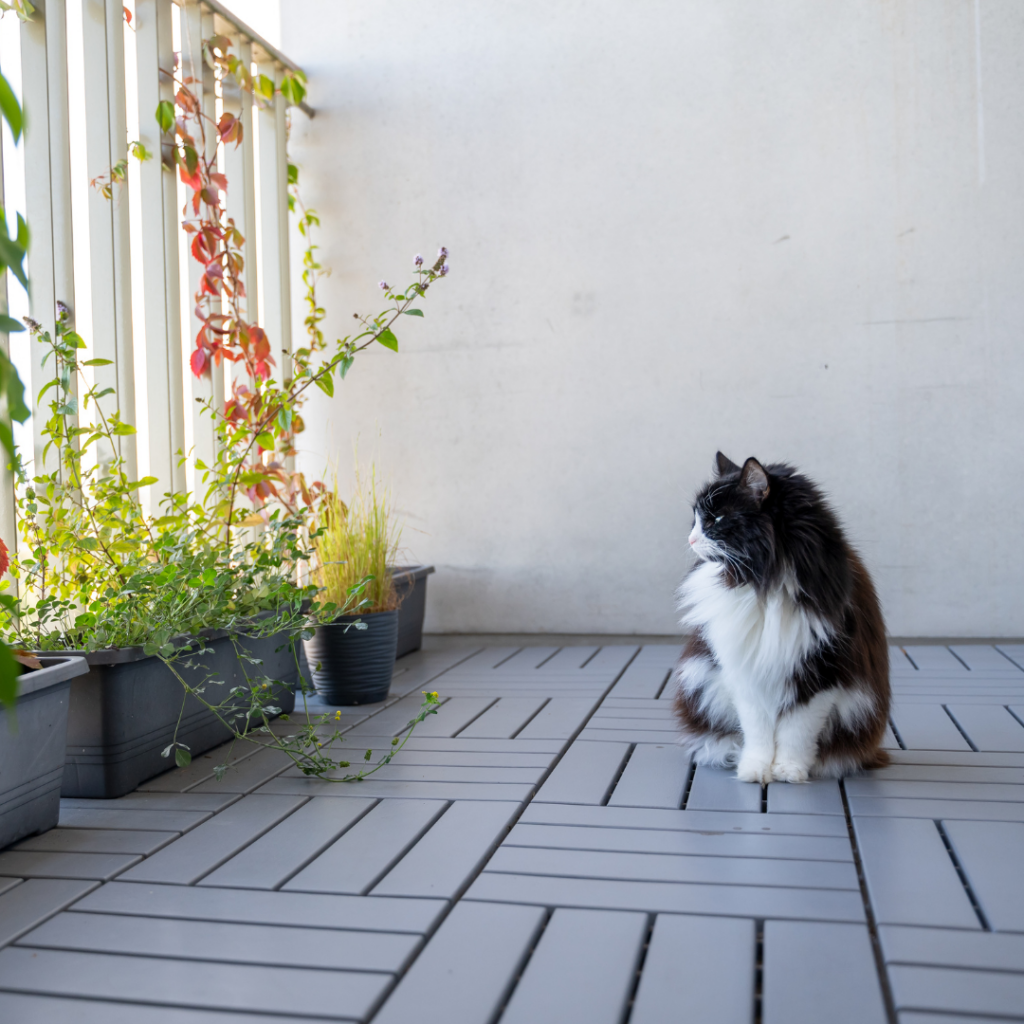
Balconies deserve special attention. While they can provide valuable outdoor space, they can also pose the risk of falling. Protective screens or pet-safe barriers can help prevent accidents while allowing pets to enjoy fresh air safely.
You’ll thank yourself for considering your flooring options too. Hard-wearing surfaces such as vinyl, laminate, or tile are generally easier to clean than carpets and can better withstand muddy paws and occasional accidents.
Managing Noise in Shared Buildings
Noise is one of the most common reasons for neighbourly complaints in blocks of flats, and pets can sometimes contribute to the problem. Dogs may bark when left alone, become excited by noises in communal areas, or react to passing visitors. Cats can also be surprisingly noisy, particularly during the night.
The best approach is prevention. Regular exercise helps dogs burn off energy and reduces boredom-related barking. Interactive toys, puzzle feeders, and enrichment activities can keep pets occupied while owners are away. If your pet struggles with separation anxiety, gradual training or professional behavioural support may be worthwhile.
It is also helpful to be mindful of floor noise. Pets running across hard flooring can be surprisingly disruptive to neighbours below. Washable rugs and mats can help absorb sound while making your home more comfortable for your pet (and you!).
Keeping Odours Under Control
One concern often associated with keeping pets in flats is odour, but with good housekeeping, this is rarely a problem. Regular cleaning is essential. Vacuuming frequently helps remove pet hair and dander, while washable pet bedding should be cleaned regularly.
For cat owners, litter trays should be emptied often and positioned in well-ventilated areas. Modern covered trays and odour-control litters can make a significant difference.
Dog owners should ensure wet paws are cleaned after walks and accidents are dealt with promptly to prevent lingering smells. Opening windows regularly, using air-purifying plants, and maintaining good ventilation can help keep the flat feeling fresh.
Creating a Comfortable Environment
Flats may often offer less space than houses, but thoughtful design can help pets feel at home. Cats often enjoy vertical space, so cat trees, shelves, and window perches are a great option.
Dogs benefit from a designated space to relax in the quiet, open crates can be a great option as many dogs feel safe when enclosed. Crate training is also a great way of keeping your pet (and your furnishings) safe while you’re out.
Interactive toys, scratching posts and enrichment activities are particularly valuable for pets who spend extended periods indoors or alone. The aim is to create an environment that keeps your pet mentally stimulated as well as physically comfortable.
Being a Considerate Pet Owner
Living in a shared building means recognising that not everyone will feel the way you do about your animals. Some may be allergic to or even afraid of your pet.
If the building rules allow for it, other residents have no legal recourse to ask for your pets to be removed, but keeping in mind that they may not appreciate their presence as much as you do can go a long way.
You can demonstrate respect for other people’s feelings in simple ways:
- Always keep communal areas clean and tidy. Any accidents should be dealt with immediately, and dog waste should never be left in shared gardens or outdoor spaces.
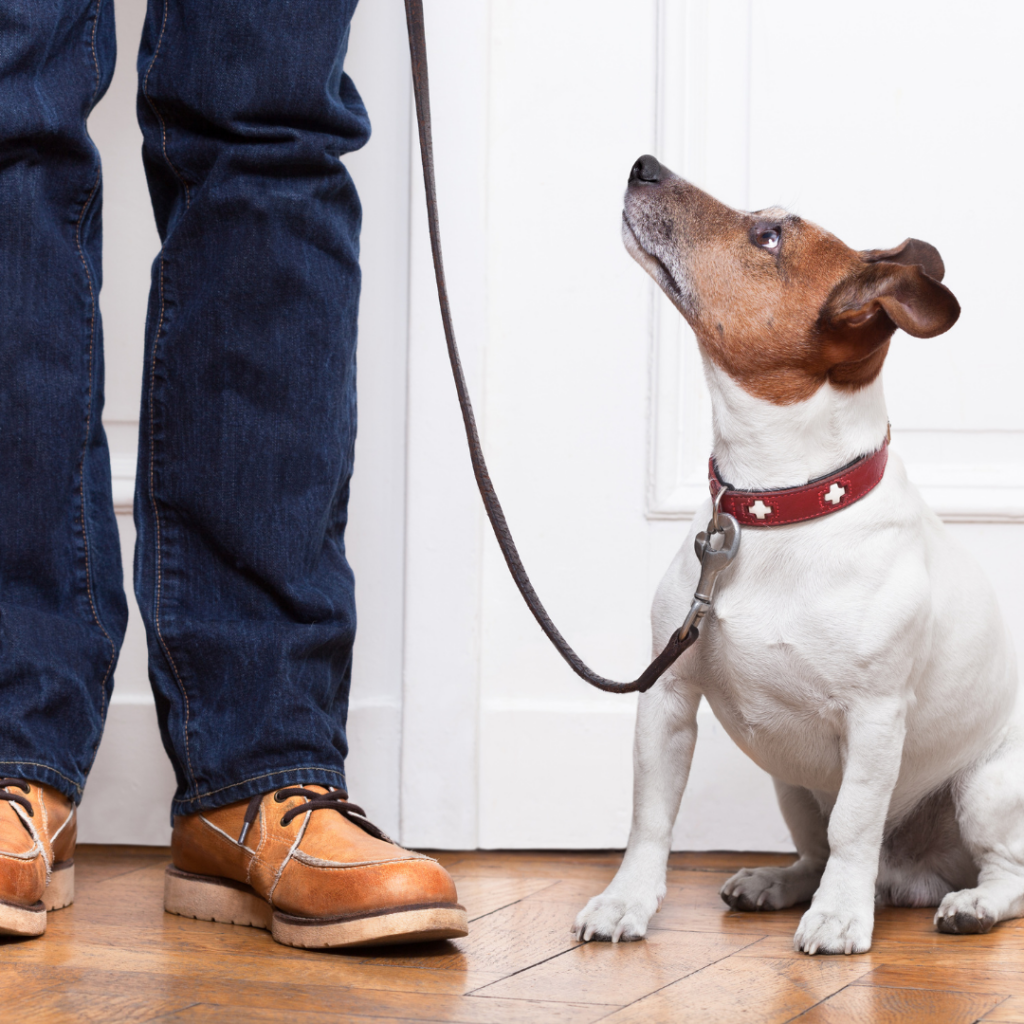
- When moving through communal corridors, ensure dogs remain under control and on a lead.
- If your pet has a tendency to bark or become excitable around visitors, proactive training can help avoid tensions with neighbours.
A friendly introduction can also go a long way. Letting neighbours know you have a pet often helps build understanding and can make communication easier if any issues arise.
In Summary
Living with pets in a flat requires a little extra planning, but the rewards are worth it. By pet-proofing your home, being considerate and managing noise, you can create a positive experience for everyone involved.
With the right approach, apartment living and pet ownership can go hand in hand. After all, a happy pet often helps create a happier home.