


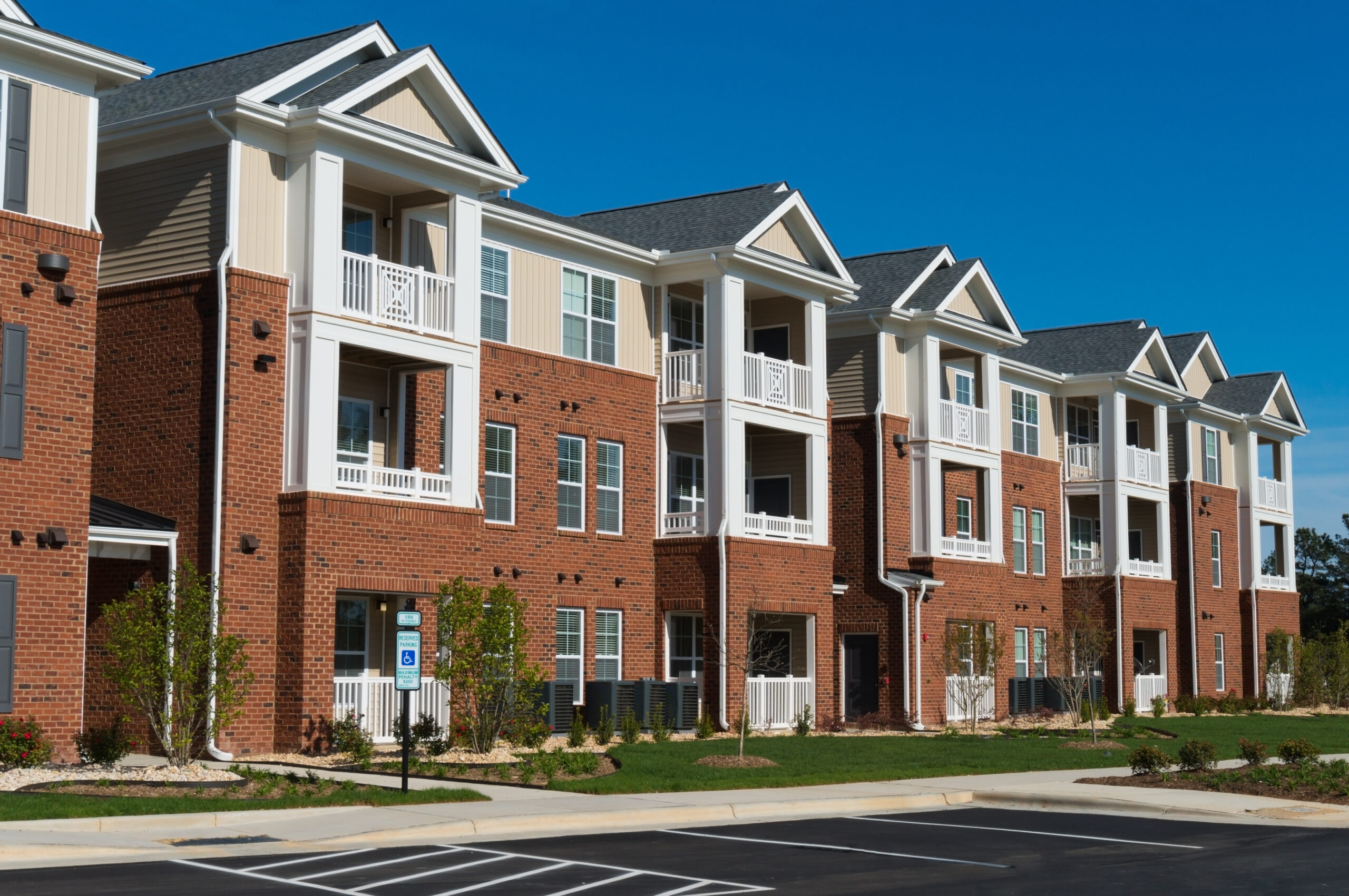
For many leaseholders and Resident Management Companies (RMCs), major works are viewed as an unavoidable expense. It’s undeniable that roof repairs, external redecoration, window replacement and structural maintenance can result in significant costs and disruption. However, rather than simply replacing old components, major works can be used to improve the long-term performance of the building.
Improvements can be incorporated into planned projects, helping to create a more sustainable, comfortable and resilient block. Building managers can seize the opportunity to provide better insulation and more efficient glazing, improve heating systems and enhance accessibility.
As energy rise and environmental expectations continue to grow, forward-thinking building managers are increasingly viewing major works as an investment.
Looking Beyond the Immediate Problem
When a component reaches the end of its life, the immediate priority is usually replacement. If a roof is leaking, it needs repairing. If windows are failing, they need replacing – but focusing only on the immediate defect can mean a missed opportunity to secure wider benefits.
Major works often involve scaffolding, professional consultants and significant contractor involvement. Since much of the cost of accessing the building is already being incurred, it may be cost-effective to incorporate improvements at the same time.
For example, if external walls require repair, it may be worth considering whether additional insulation could be installed as part of the project. If windows are being replaced, higher-performance glazing could improve comfort and reduce heat loss for decades to come. Thinking strategically allows blocks to gain more value from planned expenditure.
Improving Energy Efficiency
One of the most significant opportunities presented by major works is improving energy efficiency. Many blocks of flats (particularly older buildings) lose substantial amounts of heat through walls, roofs and windows. This can lead to higher heating costs for residents and reduced comfort during colder months.
When major works are planned, there may be opportunities to improve:
- Insulation
Roof replacement projects often create opportunities to upgrade insulation levels, significantly reducing heat loss and helping to regulate indoor temperatures throughout the year. External wall works may also allow for insulation improvements where feasible.
- Glazing
Older windows are often a major source of energy loss. Modern double or triple glazing can improve thermal performance, reduce draughts and help lower energy consumption. Improved glazing may also provide better acoustic insulation, reducing external noise for peaceful living.
- Heating Systems
As and when communal heating systems require replacement or significant upgrades, there may be opportunities to introduce more efficient technologies. Modern systems are more reliable and can reduce energy use significantly.
Although upgrades such as those suggested here may involve higher upfront costs, they can often deliver long-term savings through reduced energy consumption and maintenance requirements.
Reducing Carbon Emissions
Sustainability influences property values, lending criteria and resident expectations. Improving the energy performance of a building can help reduce carbon emissions and contribute to broader environmental goals, as well as boosting value and desirability.
While discussions around sustainability often focus on energy and carbon, resident comfort should not be overlooked. Sustainable improvements also deliver direct benefits to residents, and buildings that are comfortable to live in tend to retain their appeal and value more effectively.
While individual projects may not transform a building overnight, incremental improvements made during planned maintenance cycles can have a significant, cumulative impact over time. For many blocks, futureproofing is likely to involve a gradual programme of improvements rather than a single large-scale sustainability project.
Using Major Works to Improve Accessibility
Incorporating accessibility measures during planned works is often more cost-effective than carrying out separate projects later. When communal areas are being refurbished, consideration can be given to:
- Improved lighting
- Clearer signage
- Better handrails
- Easier access routes
- Ramp improvements
- Entrance upgrades
As residential populations age, accessibility is becoming an increasingly important aspect of long-term building management. Accessibility improvements benefit not only disabled residents but also older people, families with pushchairs and visitors.
Improving Safety at the Same Time
Many sustainability improvements can also support wider safety objectives. For example, upgrading communal lighting can improve visibility and security and replacing ageing electrical systems can improve reliability and reduce risk.
Fire safety improvements can be integrated into wider refurbishment projects too. Building fabric repairs can address issues before they become significant hazards. Combining projects where appropriate can reduce overall disruption and ensure that improvements work together effectively.
Moving Away from Reactive Maintenance
One of the biggest benefits of linking major works with sustainability objectives is the opportunity to move away from reactive maintenance. Emergency repairs are often more expensive and disruptive than planned projects. They can also create uncertainty for residents and place pressure on service charge budgets.
Long-term maintenance planning allows building managers to anticipate future needs, budget more effectively and coordinate projects strategically. By considering sustainability improvements alongside essential repairs, blocks can reduce the likelihood of recurring problems and improve overall building performance.
The Role of Reserve Funds and Long-Term Planning
Futureproofing works best when it forms part of a wider asset management strategy. Reserve funds can play an important role; helping spread the cost of significant projects over time.
Long-term maintenance plans can identify likely replacement cycles for roofs, lifts, windows and communal facilities. This allows directors, managing agents and leaseholders to think ahead rather than reacting to failures as they occur.
A planned approach also supports Section 20 consultation processes by allowing projects to be explained within the context of long-term building improvements. Residents are often more supportive of expenditure when they understand the wider benefits and future savings involved.
Balancing Cost and Value
Sustainable solutions sometimes involve higher upfront costs than like-for-like replacements. This can be challenging when service charge budgets are under pressure. However, decisions should be based on whole-life value rather than initial expenditure alone.
More durable materials, energy-efficient systems and higher-quality components may reduce maintenance costs, lower energy consumption and extend replacement cycles. The cheapest option today is not always the most economical option over the lifetime of the building.
Professional advice from surveyors, engineers and energy specialists can help boards evaluate the long-term implications of different choices.
Conclusion
Major works represent one of the best opportunities to improve the long-term performance of a residential block. By looking beyond simple repairs and considering energy efficiency, accessibility, safety and sustainability, leaseholders and RMCs can transform essential maintenance projects into valuable investments.