


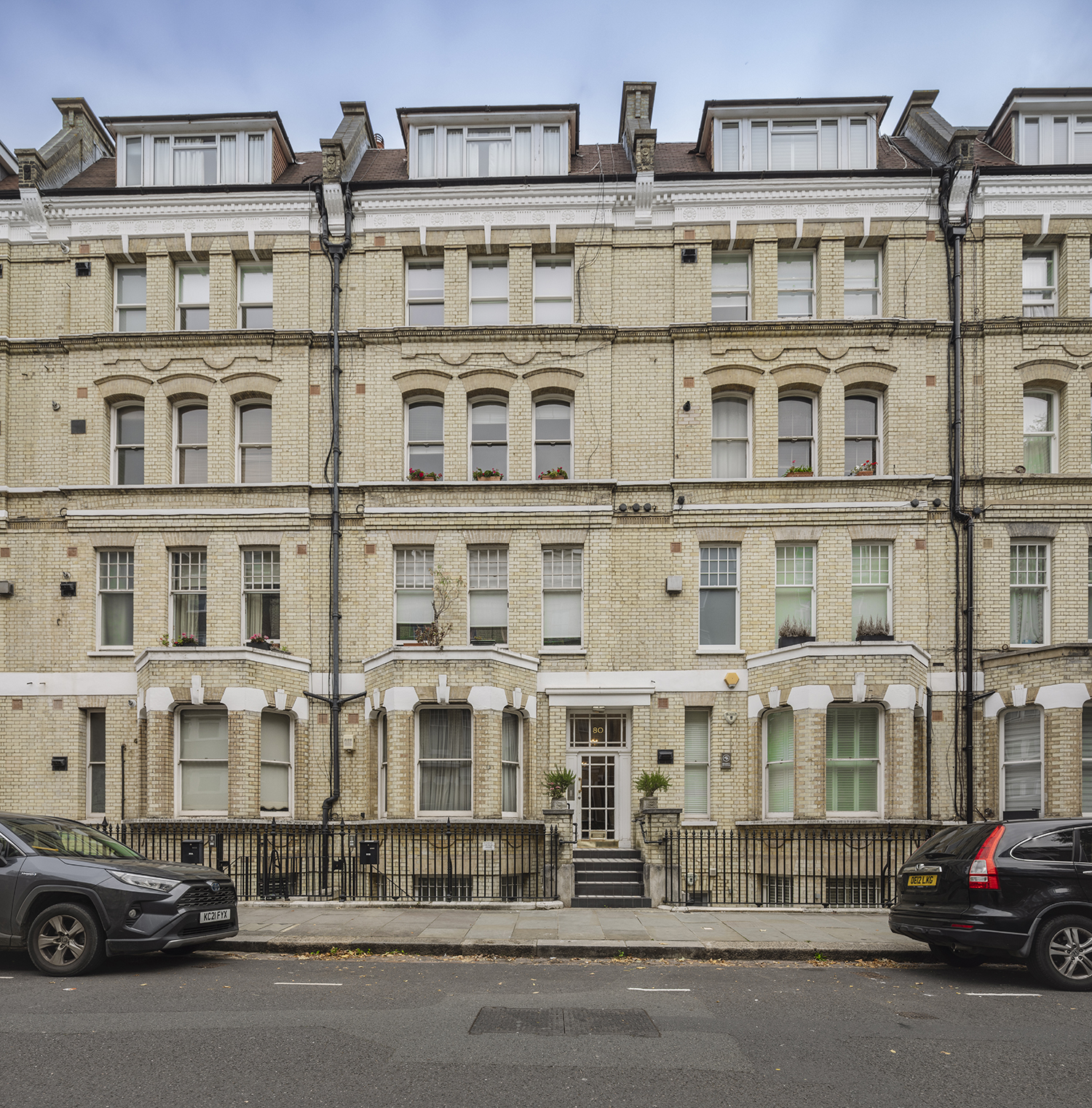
Buildings underinsurance has attracted considerable coverage in the property press in recent years. Reports suggest that up to 70% of owners underinsure their buildings, an error that can leave them in dire straits when a claim is made.
Far less attention is paid to contents underinsurance. It may lack the same headline-grabbing appeal, but the consequences can be just as serious for owners who leave themselves exposed.
In residential properties, possessions accumulate over time: a new dining table, a carbon-fibre road bike, new carpets and curtains, laptops, consoles, a new dinner service, that all-singing, all-dancing air fryer. And that’s before you even consider white goods, fine art, clothing, jewellery or watches. Even owners who have all of that covered may have overlooked garage equipment, gardening tools, stored food and drink, and other belongings that don’t immediately come to mind when calculating total replacement value.
In blocks of flats, every resident is responsible for their own contents insurance, but owners and managing agents must ensure that the building’s policy covers the landlord’s contents and communal contents. These can be considerable once furniture, carpets, artwork, gym equipment, IT equipment, servers and other items provided for residents’ use are factored in. In larger developments, where contents are spread across multiple communal areas and shared facilities, the combined value can be significant.
Ultimately, it’s the responsibility of the insured to assess the replacement value of their contents accurately and declare an appropriate sum insured to the insurer. If that figure is too low, the policyholder is likely to face the consequences in the event of a claim: a reduced settlement where the policy terms permit, or compensation that falls short of the full cost of replacement. Overestimating is no solution either, as it leads to unnecessarily high premiums with no benefit beyond the actual value of the loss.
Buildings underinsurance has its share of horror stories, but contents underinsurance is rarely discussed. Whether it concerns personal possessions in a private home or the furniture, equipment and other assets in communal areas, underinsuring contents creates significant financial exposure. And as with the building itself, that exposure only becomes clear when a major loss occurs.
A considered assessment of contents values helps ensure that cover reflects what actually needs replacing, rather than leaving the policyholder to discover a shortfall when it matters most. If you’re unsure whether your contents cover reflects what you own, we can help with your assessment.
Written by: Philip Stone, Building Surveyor at Earl Kendrick Reinstatement Cost Assessments.