


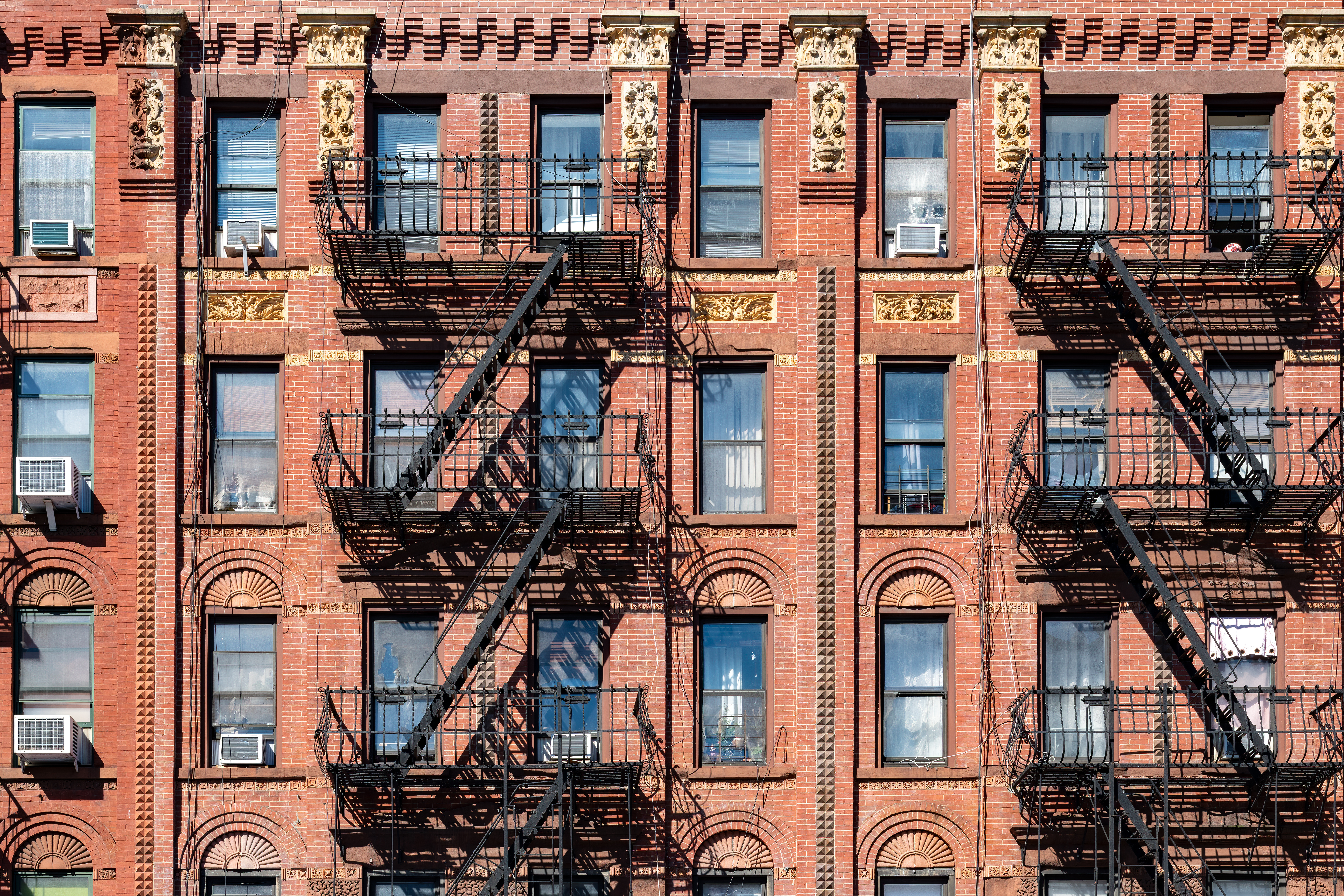
Listed buildings offer something that many modern developments cannot: history, character and distinctive architectural features. But maintaining a listed block can be more complicated than looking after a modern development.
Property owners, freeholders, managing agents and leaseholders must balance the practical needs of residents with the responsibility to preserve the building’s special architectural or historic interest. From obtaining consent and finding specialist contractors to managing service charges and coordinating works across multiple flats, even relatively routine maintenance can require careful planning.
Listed Does Not Mean “Untouchable”
A common misconception is that listed buildings cannot be altered at all – this is not the case. Buildings can evolve and change, however, works that affect their character as buildings of special architectural or historic interest may require Listed Building Consent from the local planning authority.
In England, regardless of the grade, listed buildings are provided with legal protection. Importantly, this protection generally applies to the whole building rather than only the features mentioned in its listing description. This can include internal features as well as roofs, windows, external walls, staircases and communal areas.
For a block of flats, the situation can therefore be more complicated than it first appears. Work may affect the historic fabric of the building, communal property and individual homes at the same time.
Navigating the Regulatory Framework
Before altering a listed building, it is important to establish which permissions are required. Listed Building Consent may be needed for alterations, extensions or demolition that affect the building’s special interest. Planning permission and Building Regulations approval may also be required, depending on the nature of the project.
Leaseholders face another layer of requirements. Their lease may require consent from the freeholder or management company before alterations can be made. Obtaining permission under the lease does not remove the need for Listed Building Consent, just as receiving Listed Building Consent does not override the terms of the lease.
This is why early professional advice is so valuable. Establishing all the necessary permissions before contractors arrive can prevent delays and potentially expensive mistakes.
Preserving Character While Making Necessary Improvements
Historic buildings need to remain practical homes. Residents reasonably expect reliable heating, safe electrics, effective fire protection and comfortable living conditions. Buildings also need to respond to modern expectations around energy efficiency, accessibility and sustainability. The challenge is achieving these improvements without unnecessary damage.
Replacing windows is a good example. Standard modern windows may offer improved thermal performance, but removing original timber windows could harm the character of the building. Repairing or upgrading existing windows may sometimes be a more appropriate solution.
Similar considerations can arise with doors, roofs, plasterwork, decorative features and internal layouts. The best solution is not always the quickest or cheapest as it needs to balance conservation, performance and long-term maintenance.
Finding the Right Materials and Skills
Listed buildings were often constructed using materials and techniques that are very different from those used today. Historic masonry, lime mortar, traditional plaster, timber windows, slate roofing and decorative metalwork all require specialist knowledge.
Using unsuitable, modern materials can sometimes create new problems. Older buildings often need to be repaired using compatible materials and techniques so that the building continues to perform as intended.
Finding contractors with the right expertise can be more challenging than sourcing general building services. Specialist craftspeople may also have longer lead times and higher costs. For managing agents and resident directors, contractor selection therefore needs to consider competence and heritage experience rather than price alone.
The Cost Challenge
Maintaining a listed block can be expensive. Specialist surveys, traditional materials and skilled labour can all increase the cost of works. Unexpected defects may also be uncovered once work begins, particularly in older buildings.
Historic England’s research into listed building ownership highlights affordability as a significant concern. In its 2022 survey, 57% of listed building owners and occupiers agreed that maintaining their property was difficult to afford.
In a block of flats, these costs are often shared through service charges. This can create tension – particularly where leaseholders are already dealing with higher household costs. Major works may result in substantial demands, and residents may question why apparently simple repairs cost more than they would in a modern building.
Clear communication is therefore essential. Residents should understand why specialist work is required, what alternatives have been considered and what could happen if necessary repairs are postponed.
Reserve Funds Become Particularly Important
Planning ahead cannot remove the cost of maintaining a listed building, but it can make that cost considerably easier to manage. Roofs, windows, external decorations and other major elements will eventually require substantial expenditure. If no money has been put aside, leaseholders can face sudden and significant bills.
A long-term maintenance plan can identify likely projects and forecast their costs. Reserve contributions can then be planned accordingly, where the lease permits. Costs should be reviewed regularly, estimates prepared several years earlier may no longer reflect current specialist labour and material prices.
Coordinating Work Across Multiple Residents
Maintenance becomes even more complex when dozens of individual homes form part of one historic structure. Scaffolding may affect windows and balconies, contractors may require access through individual flats, and roof or drainage problems may affect several properties at once.
Different residents will also have different priorities. One leaseholder may strongly support preserving original features, while another may be more concerned about energy bills or disruption.
Freeholders, RMCs, RTM companies and managing agents need to communicate clearly throughout the project. Residents should understand:
- The scope of the work
- Why it is required
- Expected costs
- Access arrangements
- Likely timescales
For qualifying major works, the statutory Section 20 consultation requirements must also be considered.
Insurance Needs Careful Attention
Insurance is another important consideration for listed blocks. If a listed building suffers serious damage, conservation requirements can affect how it must be repaired or reinstated. An accurate rebuilding valuation is therefore particularly important.
Maintenance also matters from a risk perspective. Good maintenance records and evidence of proactive risk management can help provide insurers with a clearer picture of the building.
Balancing Heritage with Long-Term Viability
The challenge of managing a listed block is ultimately one of balance. Buildings need to retain the features that make them historically important, but they must also remain safe, comfortable, insurable and financially sustainable places to live.
This requires collaboration between freeholders, managing agents, resident directors, leaseholders, conservation officers and specialist professionals. Early planning is key, as are good records, realistic reserve funds and open communication with residents.
By understanding the building, investing in appropriate maintenance and planning carefully for future expenditure, those responsible for listed blocks can protect their architectural heritage without losing sight of the people who call them home.