


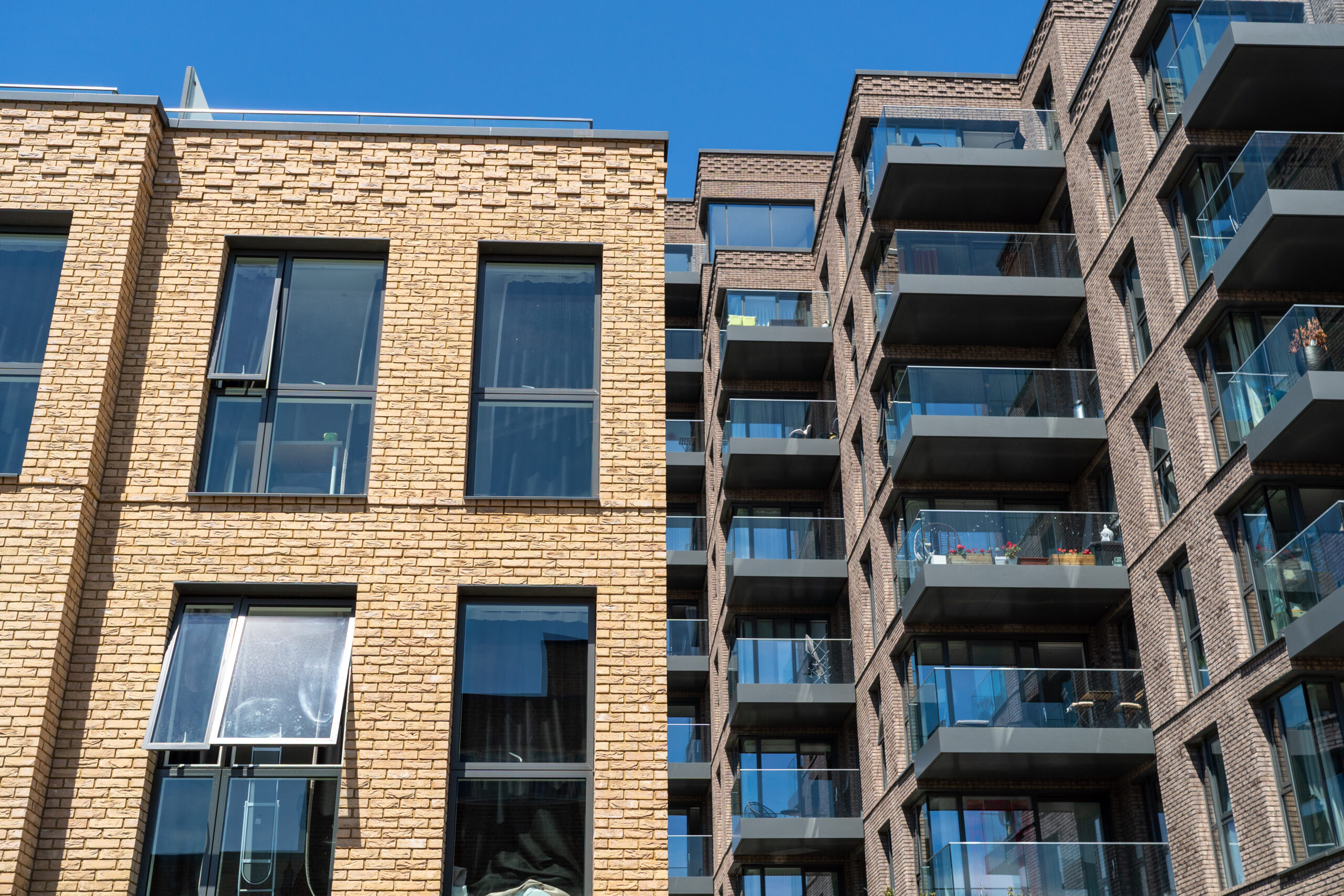
Buildings insurance protects against major events such as fire, flooding and storm damage, helping ensure that repairs or rebuilding can take place without leaving property owners facing potentially enormous costs.
However, the effectiveness of that protection depends on one crucial factor: the accuracy of the building’s insured value.
If a block is insured for too little, there may not be enough money available to cover a major claim. If it is insured for too much, leaseholders could be paying unnecessarily high premiums through their service charges.
For freeholders, Resident Management Companies (RMCs), Right to Manage (RTM) companies and managing agents, getting the valuation right is therefore essential. It protects the building, supports fair insurance costs and provides financial reassurance for everyone involved.
What Is a Reinstatement Value?
A reinstatement value (sometimes called a rebuild cost) is the estimated amount required to rebuild a property following a total loss. Importantly, this is not the same as its market value. Market values reflect factors such as location, demand and property prices, while reinstatement values focus on the actual cost of reconstructing the building.
A professional reinstatement valuation will typically consider demolition and debris removal, construction materials, labour, professional fees and the cost of meeting relevant building regulations. It must also account for the building’s particular characteristics, including its size, construction, design and any specialist features. The aim is to establish a realistic figure that would allow the building to be reinstated following a major insured event.
The Risks of Underinsurance
Underinsurance occurs when the sum insured is lower than the amount needed to rebuild the property. If the building suffers a total loss, the insurance settlement may be insufficient to cover the full rebuilding cost.
It is important to note that underinsurance can also affect smaller claims. Some policies contain an “average clause”, which allows insurers to reduce claim payments in proportion to the level of underinsurance. For example, a £100,000 claim could potentially result in a payment of just £80,000 before any applicable excess, depending on the policy wording.
This can leave freeholders and management companies facing difficult questions about how to fund the difference. For leaseholders, the consequences could include unexpected financial demands, delays to repairs and uncertainty about when their homes will be restored.
Why Overinsurance Is Also a Problem
While underinsurance presents obvious financial risks, overinsurance can also be costly. If a building is insured for significantly more than its true reinstatement value, the premium may be higher than necessary.
For blocks of flats, buildings insurance is generally funded through service charges, meaning leaseholders ultimately bear the cost. An inflated sum insured can therefore place unnecessary pressure on household budgets.
Overinsurance does not generally entitle a policyholder to a higher claim settlement than the value of their insured loss. Insurance is generally designed to cover the actual insured loss, subject to policy terms, rather than provide a financial gain. The objective should therefore be to insure the building accurately, rather than simply choosing the highest possible figure.
Why Reinstatement Values Change
Changes in the price of construction materials, the availability of labour, energy costs and building regulations can all influence how much it would cost to reinstate a property.
Older buildings and those with unusual architectural features may face additional challenges, particularly where specialist materials or skilled craftspeople are required, and changes to building safety requirements can also affect the true cost of reconstruction.
Suffice to say, a valuation completed several years ago may no longer reflect current conditions, even if the building itself has not changed significantly. This is why relying indefinitely on an original valuation or simply increasing the sum insured by a standard percentage each year may not provide sufficient protection.
The Importance of Professional Valuations
A professional insurance reinstatement valuation provides a reliable basis for setting the sum insured. Surveyors with appropriate experience can assess the building’s construction, size, features and likely rebuilding requirements.
Annual index-linking may help account for general inflation between valuations, but it should not replace periodic professional assessments. The Royal Institution of Chartered Surveyors (RICS) recommends regular reassessment of rebuilding costs, with a full professional review commonly undertaken every three years, or sooner where circumstances justify it. For example, a new valuation may be appropriate following major alterations, extensions, significant refurbishment or changes that materially affect rebuilding costs.
For RMC and RTM directors, arranging regular valuations demonstrates a responsible approach to protecting the building and managing leaseholders’ money.
Fairer Service Charges and Greater Transparency
Insurance costs can be a source of frustration for leaseholders, particularly when premiums increase without a clear explanation. An accurate reinstatement valuation helps managing agents and directors demonstrate that the building is insured for an appropriate amount.
This transparency can help reduce disputes and provide reassurance that insurance expenditure is being managed carefully. It also supports better budgeting; when insurance costs are based on reliable information, service charge forecasts become easier to explain and justify.
Protecting Freeholders and Managing Agents
Accurate valuations protect more than the building itself. Freeholders, RMC and RTM directors and managing agents all have responsibilities relating to the management and insurance of residential property, although the precise obligations depend on the lease and management arrangements.
Failing to maintain an appropriate sum insured could create significant difficulties following a major claim. Regular professional valuations, clear records and suitable insurance advice help demonstrate that reasonable steps have been taken to protect the building. They also provide valuable evidence if questions arise about insurance decisions or service charge expenditure.
In Summary, Balance is Key
Getting the sum insured right is not about finding the cheapest premium or purchasing the highest level of cover available, it is about achieving an appropriate balance.
Underinsurance can leave substantial financial gaps following a claim, while overinsurance may result in unnecessary expenditure. Either problem may arise when reinstatement values are inaccurate or allowed to become outdated. For those responsible for managing blocks of flats, professional valuations should therefore form part of routine insurance planning.
By reviewing reinstatement costs regularly, maintaining accurate records and communicating decisions clearly, freeholders and managing agents can protect the building while treating leaseholders fairly.