


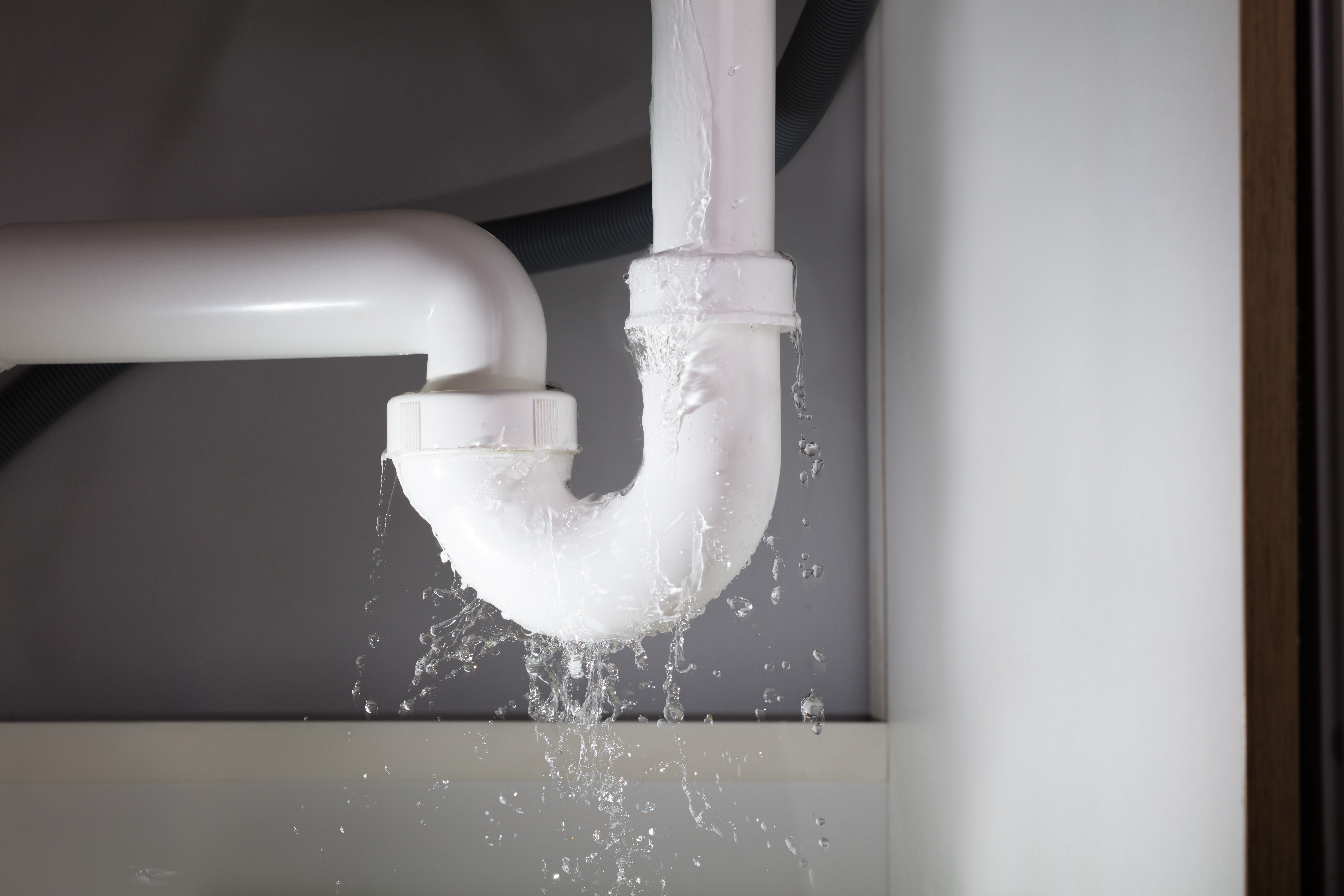
A burst pipe can cause an enormous amount of disruption in a block of flats. Water can quickly spread through floors, ceilings and communal areas, potentially affecting several homes before the source is identified.
Cold weather increases this risk – when water inside a pipe freezes, it expands and places pressure on the pipe and its joints. The damage may not become obvious until temperatures rise and the ice begins to thaw, at which point water can escape rapidly.
Knowing what to do during those first few minutes can make a big difference. Residents, landlords and managing agents all have a role to play in responding quickly to keep people safe and limit damage.
How Can You Tell If a Pipe Has Frozen?
A frozen pipe does not always result in an immediate flood. One of the first warning signs may actually be little or no water coming from a tap during freezing weather. Strange noises, visible frost on accessible pipework or an unusual smell from a drain can also indicate a problem.
Pipes in colder areas are particularly vulnerable. These can include those running through lofts, basements, garages, external walls, service cupboards and other poorly heated spaces.
Residents who suspect a frozen pipe should tread carefully. Never use a naked flame, blowtorch or other direct flame to thaw it. Gentle heat, such as a hot-water bottle or warm towel, and starting at the end nearest the tap is best.
If the pipe cannot be reached safely, or there are signs it may already be damaged, a qualified plumber is required.
If a Pipe Bursts, Act Quickly
Once water starts escaping, the priority is to stop or reduce the flow if this can be done safely. If the leak is within your flat and you know where the internal stopcock is located, turn off the water supply. Residents should ideally locate and test their stopcock before an emergency occurs. If the burst involves communal pipework or you cannot isolate the water yourself, call the building’s emergency management contact immediately.
Where water is close to electrical sockets, lighting, appliances or other electrical equipment, do not touch affected equipment or stand in the water. Electricity should only be isolated if it is safe to reach the appropriate controls. If there is any doubt, keep away and seek professional assistance. Safety should always come before attempts to protect property.
Try to Contain the Water
The rule of thumb is to never put yourself at risk trying to save belongings, but once the water supply has been isolated, you can take reasonable steps to limit damage. Buckets, towels and waterproof containers may help contain smaller leaks and you can move furniture, electrical equipment and valuable possessions away from the affected area.
A waterlogged ceiling can become unstable, and there may also be electrical services above it. It may sound obvious but do not stand underneath it. In communal areas, leaking water can create serious slip hazards. Residents should warn others and report the problem immediately so that affected areas can be isolated or made safe.
Report the Problem Straight Away
In an apartment building, a leak is rarely an individual problem. Water from one flat can quickly travel into the property below, enter communal areas or damage parts of the building structure. If neighbouring flats may be affected, building management may need to contact those residents quickly or arrange emergency access.
Even if the leak appears relatively small, prompt reporting is essential. Residents should provide the managing agent or emergency contact with as much information as possible. This could include where the water appears to be coming from, when it was first noticed, whether the supply has been isolated and which areas appear affected. Photographs and videos can also be useful, provided they can be taken safely.
Who Is Responsible for What?
Rather than trying to determine responsibility before reporting the leak, residents should report it first. The question of liability and costs can be established afterwards. Responsibility for repairing a burst pipe depends on where it is located, what it serves and the terms of the lease or tenancy agreement.
A leaseholder may be responsible for pipework serving only their individual flat, while communal pipes and risers may fall under the freeholder or management body. Landlords of rented flats will also have repairing responsibilities under tenancy law, although the exact position depends on the circumstances.
The managing agent will often coordinate emergencies involving communal services or several properties. This can include arranging contractors, contacting residents and notifying the buildings insurer where appropriate.
Contacting the Insurer
Where significant damage has occurred, the relevant insurer should be informed promptly. Buildings insurance will generally deal with insured damage to the building, subject to the policy terms and excess. Residents may need separate contents insurance for damage to furniture and personal belongings.
Keep records of what happened, including photographs, damaged items and any emergency work carried out. Avoid disposing of damaged property or arranging extensive permanent repairs before speaking to the insurer unless action is necessary for safety or to prevent further damage.
Don’t Forget About Damp and Mould
Stopping the leak is only stage one. Water can remain within walls, flooring and other building materials long after surfaces appear dry. Without appropriate drying, this can result in damp, mould and deterioration.
Affected areas may require professional drying and moisture monitoring, particularly after a significant escape of water. Ventilation can help where appropriate, but electrical equipment such as dehumidifiers should only be used where it is safe to do so. Managing the drying process properly can prevent a relatively short-lived leak from becoming a much longer-term problem.
Prevention Starts Before Winter
Many burst pipes can be prevented or their impact reduced with simple preparation. Residents should know where their stopcock is and ensure it remains accessible. Vulnerable pipework should be properly insulated, and known leaks or dripping taps should be repaired rather than ignored. Residents can also help by reporting unusually cold communal areas, damaged pipe insulation or minor leaks before freezing weather arrives.
Communal areas also need attention. Managing agents should include vulnerable pipes, tanks and plant areas within winter maintenance checks and ensure emergency contact details are up to date.
Going Away During Cold Weather
Extra care is needed if a flat will be empty during winter. Turning the heating off completely may increase the risk of frozen pipes, and residents should check the requirements of their insurance policy as some policies include specific conditions for properties that are left unoccupied for a certain period.
Where appropriate, maintain suitable low-level heating and consider asking someone trustworthy to check the property regularly. Residents should also make sure the managing agent or landlord has current emergency contact details. If a problem develops while the flat is empty, being able to contact the owner quickly could significantly reduce damage.
Fast Action Protects the Whole Block
Knowing the warning signs, locating stopcocks in advance and understanding who to contact can make an enormous difference when every minute counts. The key is to stay safe, stop the water if possible and report the problem immediately. For landlords and managing agents, clear emergency procedures, planned winter maintenance and fast access to competent contractors are equally important.
