


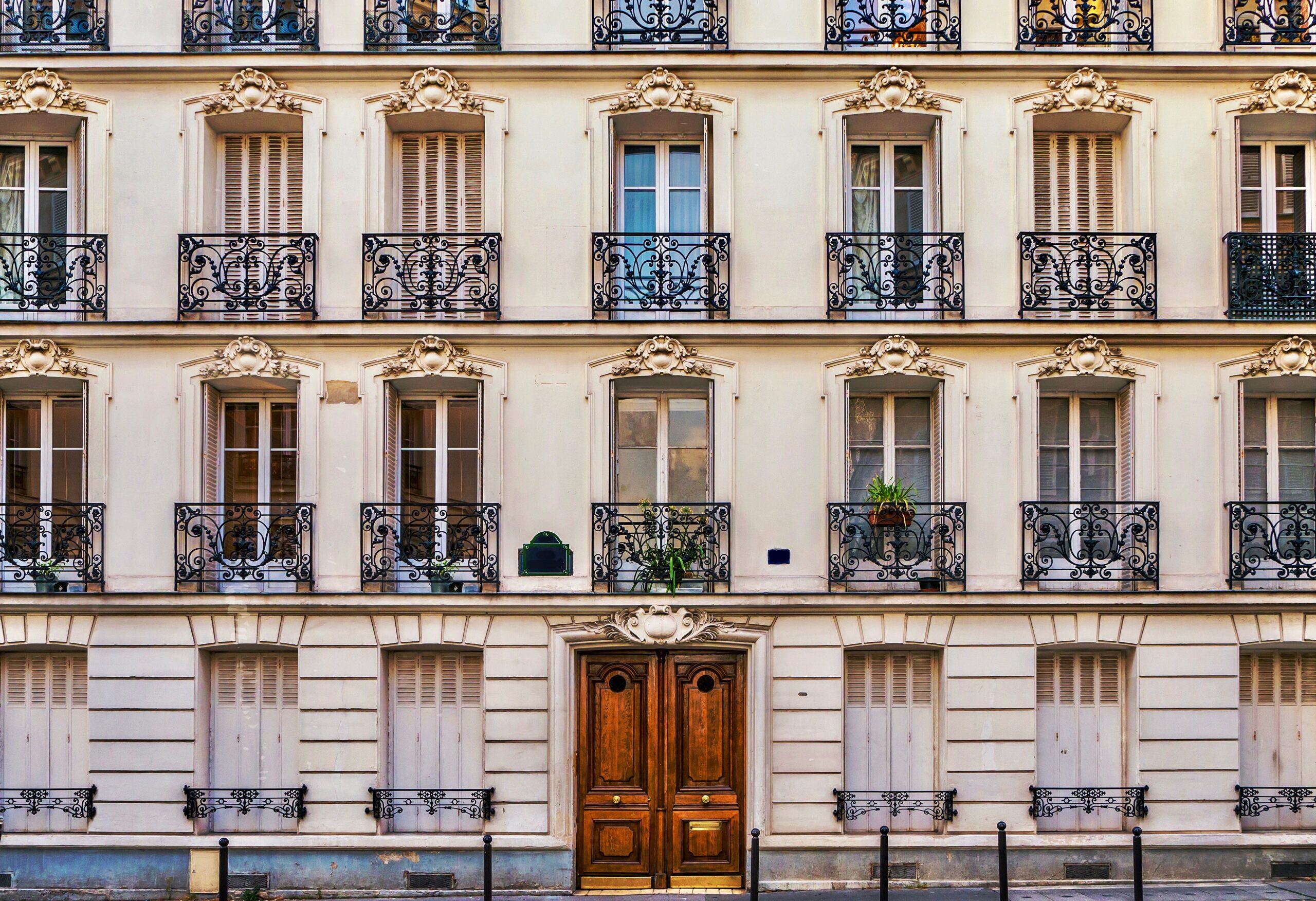
Living in a listed building can be a privilege. Period architecture, original features and a strong sense of history can make these blocks highly desirable places to live. However, looking after a listed residential building can also present some challenges.
Historic buildings require regular, appropriate maintenance. Problems that might be relatively straightforward in a modern block can become more complex when traditional materials, specialist craftsmanship and heritage protections are involved.
When maintenance is repeatedly postponed, the consequences can extend far beyond appearance. Deterioration can affect resident safety, your insurance cover, property values and the cost of future repairs.
In serious cases, local authorities can also intervene to protect listed buildings. For freeholders, managing agents and resident directors, early action is almost always preferable to allowing problems to reach this stage.
Why Maintenance Matters So Much in Historic Blocks
All buildings deteriorate over time, but historic properties can be particularly sensitive to inappropriate or delayed repairs. Traditional buildings were often constructed using materials and techniques that work differently to their modern alternatives. Repairs therefore need to address the underlying cause of deterioration while respecting the building’s historic significance.
Historic England describes “regular inspection and prompt action” as the basis of effective maintenance. It also notes that routine care protects a building’s value and supports the health and safety of those using it.
For a residential block, this might mean regularly checking roofs, brickwork, stonework, windows and drainage – small defects should be dealt with before water or weather can cause further damage.
When Small Problems Become Big Ones
A slipped roof tile or blocked gutter may initially appear minor but left unattended, water can penetrate the building and damage timber, plasterwork and decorations. The same principle applies throughout a historic block.
Ageing pipes can cause escape of water incidents, damaged pointing can allow moisture into walls, poorly maintained roofs can lead to widespread internal damage. Once deterioration takes hold, repair costs can spiral.
Historic buildings may also require specialist materials and craftspeople, which means waiting until emergency work is necessary can make an already complicated project considerably more expensive.
This is why planned preventative maintenance is so important, and why a relatively modest investment today may avoid a major service charge demand later.
What Can a Local Authority Do?
Owners do not have a general statutory duty to keep listed blocks in perfect condition, but local authorities do have the power to intervene if serious deterioration is noted. Historic England’s guidance identifies several enforcement routes available to authorities where historic buildings are being allowed to decay:
- One option is an Urgent Works Notice under Section 54 of the Planning (Listed Buildings and Conservation Areas) Act 1990. This can be used to secure works that are urgently necessary for the preservation of a qualifying listed building. In appropriate circumstances, the authority can arrange works and seek to recover relevant costs.
- A Repairs Notice under Section 48 can go further. It can specify works the local authority considers reasonably necessary for the proper preservation of a listed building. A Repairs Notice can also be an important step towards compulsory purchase proceedings if an owner continues to allow a building to deteriorate.
These are significant powers and the better approach is to identify and resolve problems long before enforcement becomes necessary.
The Impact on Resident Safety
Disrepair is, of course, not only a conservation issue. Water ingress can affect electrics and create damp or mould, loose masonry, roof materials or decorative features can pose risks to residents and visitors, and poorly maintained communal areas can create slip and trip hazards.
Fire safety also requires careful attention. Fire doors, compartmentation, alarms, emergency lighting and escape routes must be maintained appropriately regardless of a building’s historic status.
This can create a careful balancing act. Safety improvements may be necessary but work to a listed building may also require specialist design, materials and relevant consents. Early professional advice is particularly valuable, allowing building managers to develop solutions that meet modern safety requirements while respecting historic fabric.
Insurance Can Become More Complicated
Insuring a listed block is not necessarily the same as insuring a modern apartment building. Planning requirements may mean damage has to be reinstated on a like-for-like basis. This can require more comprehensive insurance than would be needed for a standard modern property and appropriate reinstatement valuations are particularly important.
Poor maintenance can add another layer of difficulty. Insurance is intended to protect against insured events rather than act as a replacement for routine maintenance. Historic England specifically identifies lack of repair and maintenance as one of the risks that needs to be considered alongside fire, flooding, theft and other threats.
A poorly maintained block may present insurers with a less attractive risk. Repeated escape of water claims or evidence of unresolved defects could affect the terms available at renewal. So, good records matter. Inspection reports, photographs, maintenance schedules and evidence that recommendations have been acted upon can help demonstrate that risks are being managed proactively.
What About Property Values?
A listed address can be an attractive selling point, but serious disrepair can quickly become a concern for prospective buyers. Visible deterioration may raise questions about future major works and service charges.
Buyers and their solicitors may also request management records, evidence of reserve funds and maintenance plans before committing to a purchase. Delaying maintenance may seem like a way of controlling service charges, but it can simply move a larger financial problem into the future.
What Should Managing Agents and Resident Directors Do?
Good management starts with understanding the building. A specialist building survey or condition assessment can identify vulnerable areas and help establish priorities. This information can then feed into a planned maintenance programme and reserve fund strategy.
Boards should also ensure that professionals and contractors have suitable experience with historic buildings. Using inappropriate modern materials or repair techniques can sometimes make deterioration worse.
Records should be kept of inspections, repairs, quotations, professional advice and relevant consents. This creates continuity when directors or managing agents change and provides evidence of responsible management.
Communication with residents is equally important. Leaseholders are more likely to understand expenditure when they can see why work is necessary, what will happen if it is delayed and how it fits into a longer-term maintenance strategy.
Protecting the Past by Planning for the Future
Allowing deterioration to continue can increase repair costs, create insurance difficulties, affect resident safety and reduce confidence in the building. At its most serious, neglect can also lead to local authority intervention.
The alternative is proactive management. Regular inspections, appropriate repairs, realistic reserve planning and specialist advice can help catch problems while they remain manageable.