


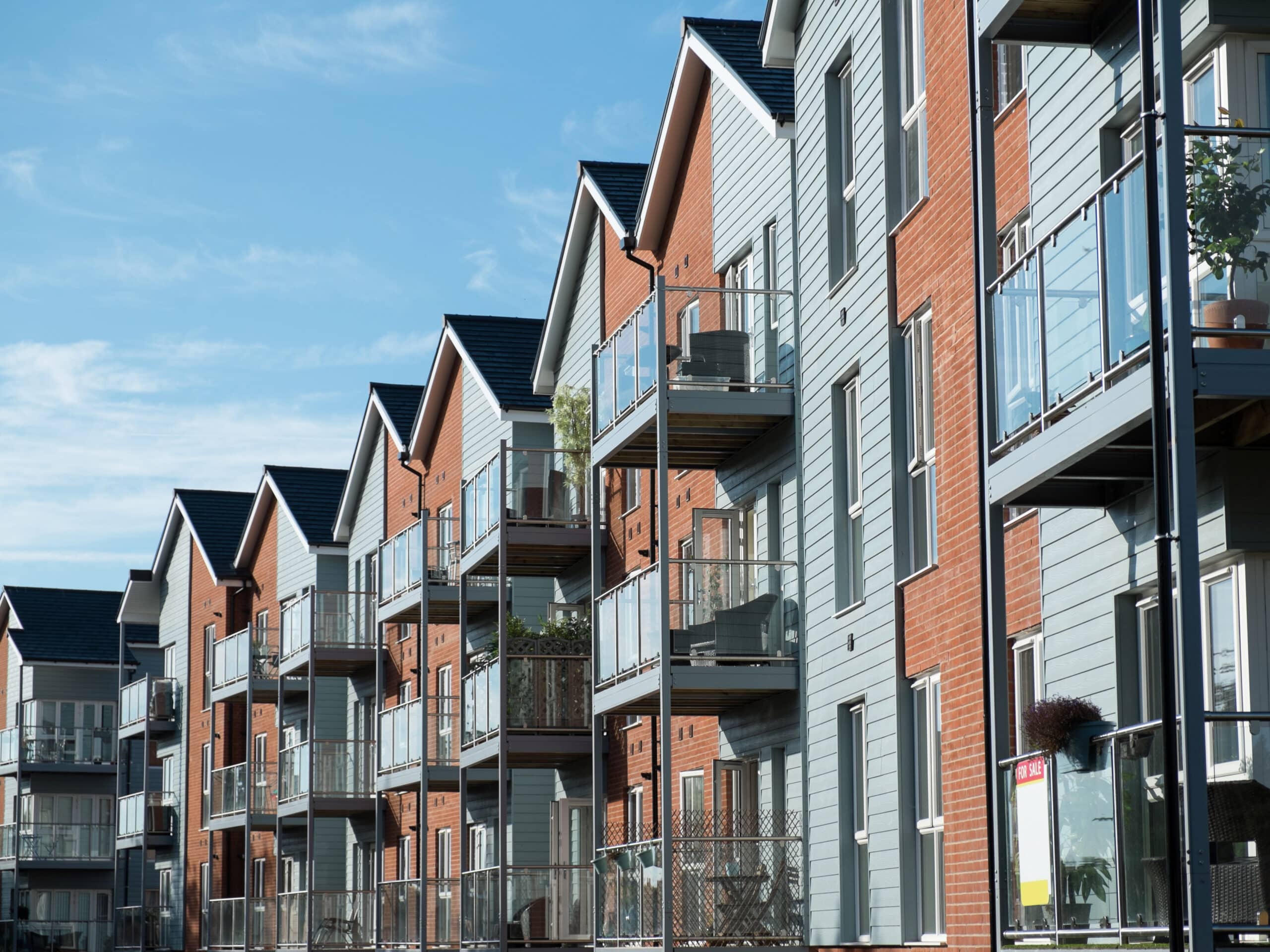
The cost-of-living crisis is affecting almost every household in the UK. For people living in flats and apartments, the pressure to save money on energy bills can lead to choices that increase fire risk, raise damp and mould problems, and put residents’ health at risk. These issues also affect the wider block, its insurance profile and the safety of neighbours.
This article explains how cost-saving behaviour links to fire safety, how to use heaters and multi-plugs safely, and how to balance ventilation with energy saving in small homes.
Rising Pressures and Hidden Risks
When energy prices rise, many people look for cheaper ways to heat their homes. Some buy low-cost plug-in heaters, others use old appliances that are less efficient. Residents may switch off communal ventilation systems to save money, and many will air-dry clothes indoors to avoid using tumble dryers.
These actions may seem harmless, but they can increase fire risk. Cheap heaters may overheat. Old wiring can struggle with extra loads. Damp air collects in small flats, leading to mould and health problems. Poor ventilation can also affect fire-safety systems.
Fire services across the UK have warned that these pressures can lead to unsafe behaviour. The National Fire Chiefs Council has highlighted increased use of portable heaters, overloaded sockets and makeshift heating methods as key winter risks.
Electrical Safety First has also reported that many domestic fires come from faulty or misused electrical appliances, and from overloaded extensions. These issues are not limited to individual flats. In blocks, one unsafe habit can endanger neighbours, shared corridors and escape routes.
Space Heaters: What Residents Need to Know
Portable heaters are often used in winter because they heat a small area quickly and seem cost-effective. But they must be used safely. Fire services warn that heaters should be kept well away from bedding, curtains and furniture, and must never be left unattended.
Cheap or second-hand heaters may not meet current safety standards, and some may have faulty wiring or unsafe plugs. Fan heaters can blow dust into heating elements, increasing fire risk.
Oil-filled radiators are generally safer but can still overheat if damaged or placed too close to other objects. Residents should also avoid using gas heaters indoors, not only due to fire risk but also due to carbon monoxide danger.
Overloading Sockets and Extension Leads
Small flats often have limited plug sockets. When people add heaters, chargers, cooking appliances and drying racks with heated bars, extension leads become heavily loaded. When too many high-powered appliances are plugged into one socket or extension, overheating can occur.
Multi-plug towers and poorly made extension leads may not be able to handle the load of a heater and some do not have surge protection. If they fail, they can cause sparks, smoke or fire. Coiled extension leads can also be problematic because the cable cannot release heat.
Residents should:
- Plug heaters directly into a wall socket
- Avoid running multiple appliances from one extension lead
- Check plugs and cables for signs of heat or damage
- Avoid cheap, untested or imported electrical products
Safe electrical use supports the whole block as fewer faults mean safer homes and fewer claims, which may help keep insurance costs stable.
Drying Clothes Indoors
Many residents may now be avoiding the use of tumble dryers due to cost. Drying clothes indoors is common, especially in winter, but this raises humidity which leads to condensation, damp walls and mould.
From a fire-safety angle, extra moisture may affect electrics, especially where condensation forms around plug sockets or cables. Damp conditions can also damage fire doors and weaken seals.
Indoor drying also increases the need for ventilation. If residents close windows to save on heating, moisture remains trapped. This creates an unhealthy environment and may lead to disputes about condensation between residents and management.
Ventilation, Energy Saving and Balanced Living
Good ventilation is essential in all seasons. Fresh air flow helps remove moisture, reduce mould and improve indoor air quality. But in small flats, residents often close vents or switch off systems to save energy. Some even block trickle vents. When this happens, damp builds up and mould spreads more quickly – especially during colder months.
Ventilation also supports fire safety, with some systems helping to reduce smoke build-up during an incident. While residents cannot rely on ventilation to control fire, proper airflow helps maintain the building’s intended safety design.
A balanced approach works best:
- Keep trickle vents open
- Open windows briefly every day to release moisture
- Keep bathroom and kitchen extractors running
- Avoid blocking vents to “save heat”
Warmth and ventilation can work together. Short ventilation periods release moist air without losing too much heat.
Communal Systems and Block-Wide Safety
In some blocks, residents have access to communal heating, extractor systems or mechanical ventilation. Switching these systems off can cause major problems. Moisture builds up in flats, air quality falls and pressure changes may affect how smoke moves in the event of a fire.
Managing agents should explain clearly why communal systems must remain on, even when residents are trying to reduce bills. They support fire-safety rules and ensure the block meets health standards.
Insurance and Cost-of-Living Behaviours
Insurers consider how residents use their homes. A rise in electrical fires, damp-related claims or unsafe heating habits may affect a block’s long-term risk profile. Good communication, clear guidance and regular building checks reduce these risks. They also help maintain stable terms at renewal.
Residents, Residents’ Management Companies and managing agents should work together to support safe living. Guidance notes, posters in communal areas, and reminders during winter can help reduce seemingly energy-saving but risky habits.
Conclusion
Cost-of-living pressures are making life harder for many people. But small changes in daily behaviour can carry bigger risks in a block of flats, where fire, damp and electrical faults spread faster than in a single house. Safe heating, sensible electrical use, good ventilation and the proper running of communal systems help protect everyone.
With the right balance between energy saving and safety, residents can stay warm, stay safe and keep their homes in good condition through challenging times.