



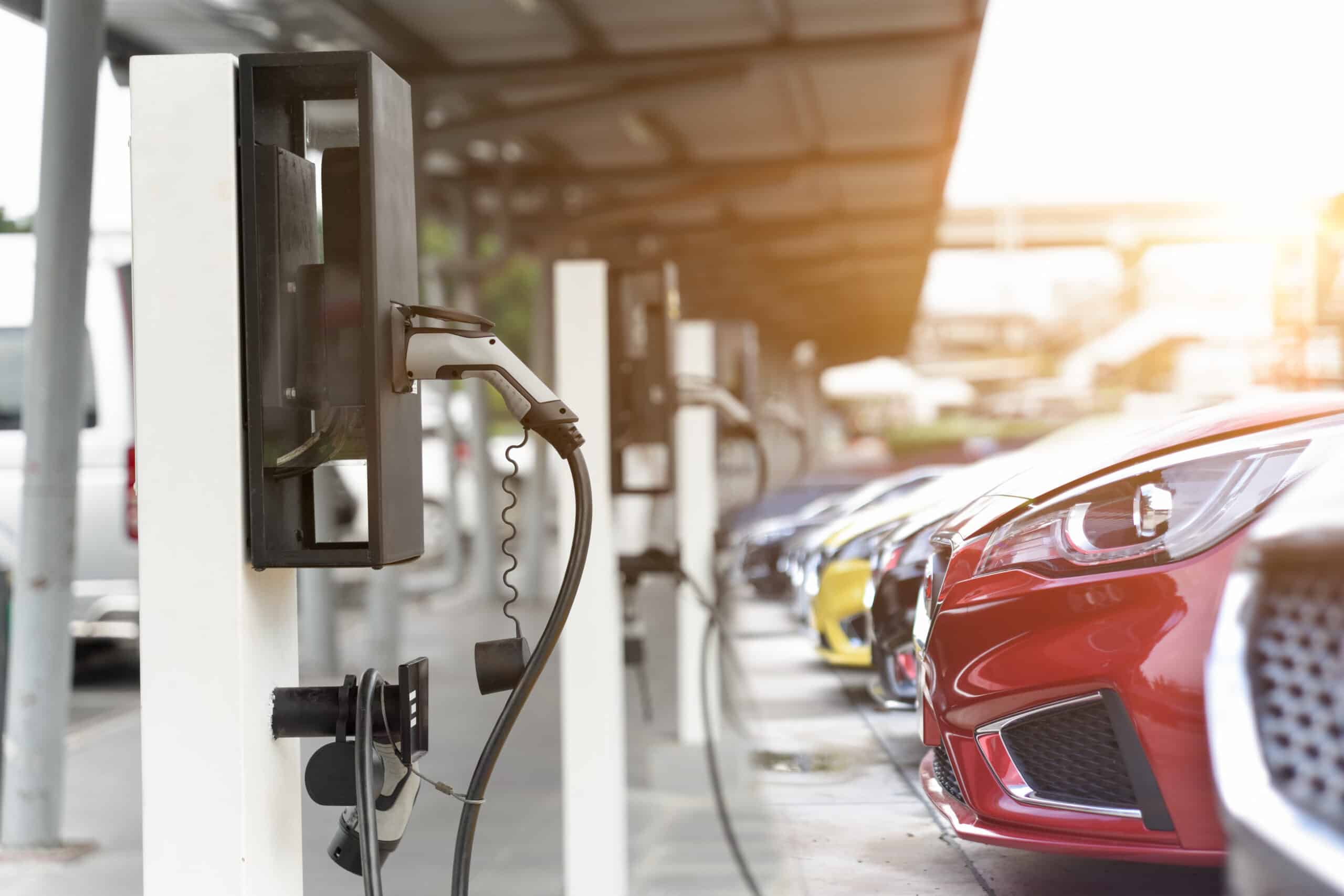
As more residents switch to electric cars, demand for charging infrastructure in blocks of flats is rising quickly. For managing agents, resident management companies (RMCs) and freeholders, installing EV charging points can improve convenience for residents, boost value and help future-proof a building.
However, EV charging also introduces new responsibilities. Electrical capacity, fire safety, contractor standards and insurance requirements must all be carefully considered.
This article provides an overview of key health and safety considerations, as well as the insurance issues that should be addressed when installing and managing EV charging facilities in residential blocks.
Why EV Charging Is Becoming Essential
EV ownership is growing steadily as the UK moves towards lower-emission transport. Government policy also supports the expansion of electric vehicles and charging infrastructure.
For residents of flats, access to charging can be a deciding factor when choosing where to live. Developments that provide reliable EV charging often become more attractive to buyers and tenants.
Electrical Capacity and Infrastructure
Retrofitting charging points to existing blocks can be complex. Electrical capacity, parking layouts and safety considerations must all be evaluated carefully.
One of the first issues to assess is electrical capacity. EV charging points draw significant power, particularly fast chargers. If the building’s electrical supply is not designed to support this additional load, upgrades may be required.
A qualified electrical engineer should assess the site before installation. They will consider:
- The capacity of the main electrical supply
- Distribution boards and cabling
- The number of chargers planned
- Potential for future expansion
Smart charging systems are often recommended in residential settings. These systems manage the available power and distribute it between charging points, preventing overloads.
Fire Safety Considerations
Fire safety is a key concern. Although EV fires are relatively rare, lithium-ion batteries can burn intensely if damaged or malfunctioning. Charging points should be positioned carefully to minimise risk, with adequate spacing between vehicles, clear access routes and proper ventilation.
Where chargers are installed in enclosed car parks or basements, additional fire safety measures may be required. This could include improved detection systems, fire-resistant cable routing or enhanced ventilation.
It is also important to ensure that emergency access routes remain clear and that fire escape paths are not obstructed by charging equipment or cables. Managing agents should consult fire safety professionals when planning installations, particularly in larger developments.
Managing Cables and Physical Safety
Charging cables themselves can create hazards if not managed properly. Poor cable management may lead to trip hazards in shared parking areas or walkways.
Modern charging units often include integrated cable holders or retractable systems to keep cables off the ground when not in use. Clear markings and signage can also help guide residents on the safe use of the charging equipment.
Choosing Suitable Contractors
EV charging installations must be carried out by qualified professionals. Selecting experienced contractors reduces the risk of poor installation or non-compliance with electrical standards.
Installers should be properly accredited and familiar with current regulations. In the UK, EV charge point installations must comply with BS 7671, commonly known as the IET Wiring Regulations.
Contractors should also be able to provide certification confirming that the installation has been tested and complies with relevant safety requirements.
Before appointing a contractor, managing agents or directors should review qualifications, insurance cover and previous experience with residential projects. Using reputable contractors helps ensure both safety and long-term reliability.
Ongoing Electrical Testing and Maintenance
EV charging systems require ongoing inspection and maintenance. Regular electrical testing should be scheduled in line with safety standards and manufacturer recommendations. Routine checks help identify issues such as damaged cables, loose connections or overheating components.
Maintenance plans should include:
- Periodic inspection of chargers and cabling
- Testing of electrical protection devices
- Software updates for smart charging systems
- Cleaning and physical inspection of charging equipment
Recording maintenance activities is important for both compliance and insurance purposes. Clear records demonstrate that the system is being managed responsibly.
Insurance Considerations
Installing EV chargers can affect the building’s insurance arrangements. Managing agents should review policy wording carefully before installation.
Insurers may wish to know:
- How many charging points are installed
- Where they are located (for example, basement or outdoor parking areas)
- Whether installations comply with recognised standards
- Whether chargers are owned by the building or by individual residents
Failure to notify insurers about new infrastructure could create complications in the event of a claim. Some policies may include specific conditions relating to electrical installations or fire safety measures.
Discussing the project with the building’s broker or insurer early in the planning stage helps ensure that cover remains appropriate.
Responsibility and Charging Management
In residential blocks, it is also important to clarify who is responsible for operating and maintaining the charging infrastructure. Some systems are managed centrally by the building’s management company, while others allow individual residents to install chargers linked to their own electricity supply.
Where shared charging infrastructure is provided, software platforms can track usage and allocate electricity costs fairly among residents. These systems also allow monitoring of performance and maintenance needs.
Conclusion
EV charging is becoming an important feature in modern residential developments. For managing agents, RMC directors and freeholders, installing charging points offers an opportunity to support residents and future-proof the building.
At the same time, careful attention must be paid to health and safety, electrical standards and insurance requirements. Fire safety considerations, qualified contractors and ongoing testing all play an essential role in responsible EV charging management.
By planning installations thoughtfully and maintaining systems properly, blocks of flats can provide safe and convenient charging while protecting residents, property and insurance cover.