

Living in a block of flats offers plenty of opportunities to meet people, but it is surprisingly for weeks to go past without sharing a single word…
Building a stronger community doesn’t mean everyone needs to become best friends, but simple, polite connections can make a block feel friendlier, safer and more welcoming. From a friendly noticeboard to an occasional social event, here are some simple ways to turn strangers into neighbours.
Start with the Small Things
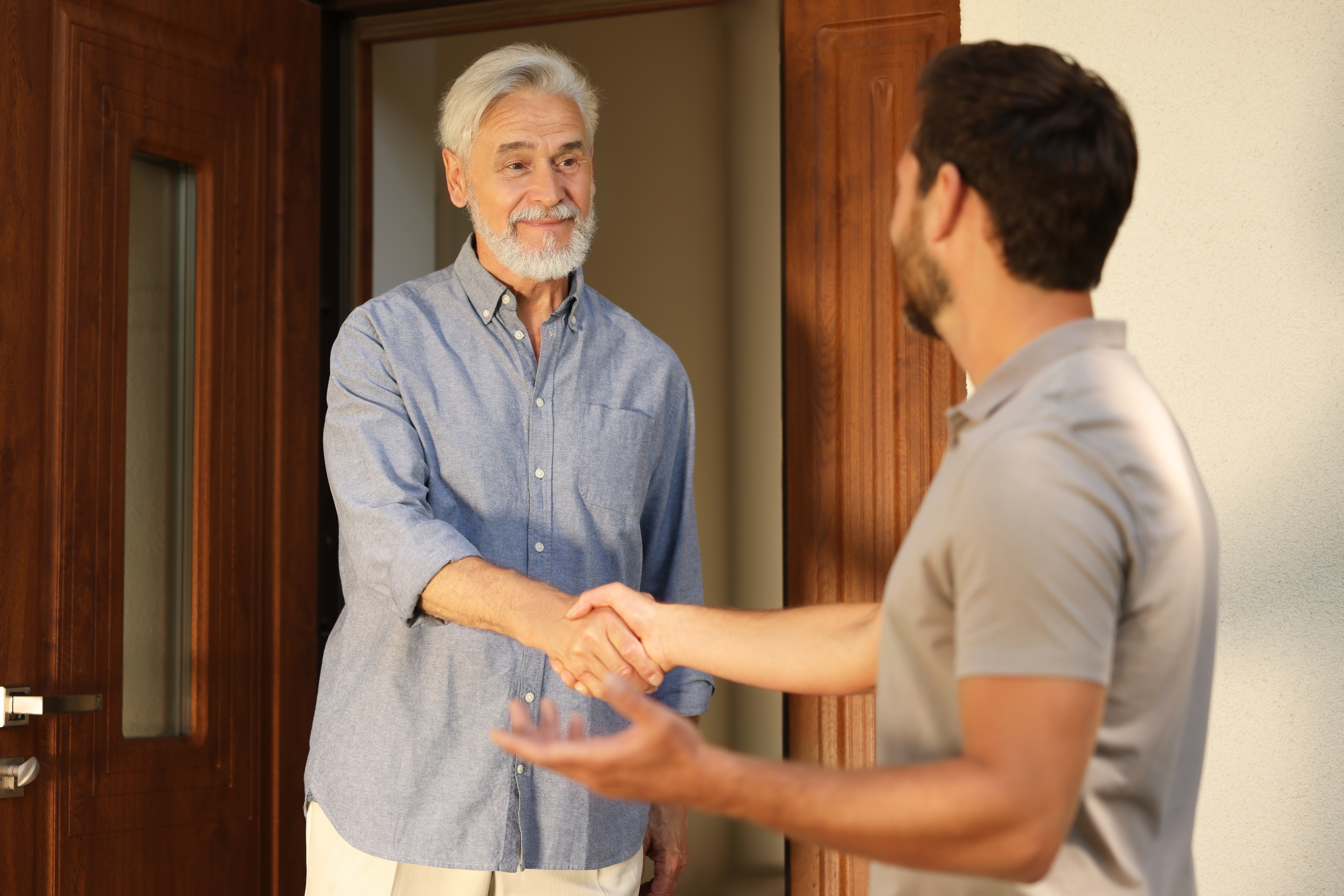
Community often begins with something as simple as saying hello. Introduce yourself when someone new moves in, hold the lift, take in a parcel for a neighbour. Small gestures help people become familiar and can gradually create a friendlier atmosphere.
Knowing your neighbours can also be very useful. If a maintenance issue arises, having someone who knows how to contact you can make a real difference.
Make Better Use of the Noticeboard
The humble communal noticeboard can be a surprisingly effective tool. Alongside essential information from the managing agent or Residents’ Management Company (RMC), residents can share useful updates such as:
- Details of local events
- Recommendations for tradespeople
- Items being given away
- Information about resident get-togethers
If your block doesn’t have a noticeboard, residents could suggest adding one in a suitable communal area, subject to the necessary permissions.
Create an Online Residents’ Group
Not every conversation needs to happen in the hallway. A WhatsApp, Facebook or other private online group can give residents a quick and easy way to communicate. It might be used to let neighbours know about a missing parcel, share local recommendations or remind everyone about an upcoming residents’ meeting.
We’d advise setting some basic ground rules from the start. Keep discussions polite, avoid sharing personal information, and discourage the group from becoming somewhere to air individual grievances.
It is also important to remember that not everyone will want to join. Essential building information should still be communicated through official channels so nobody is excluded.
Organise Simple Social Events
A summer coffee morning, festive drinks or a club in a shared space can provide an easy opportunity for people to introduce themselves. Keep events simple and inclusive, considering different ages, working patterns and lifestyles within the building. An afternoon event may work better for families and older residents, while an early evening gathering could suit commuters.
Remember to check whether permission is required to use communal areas. Noise, fire safety and access should always be considered too.
Look After Shared Spaces Together
Communal spaces have a big impact on how people feel about their block. Residents often take pride in shared areas and report maintenance problems promptly. Something as simple as keeping entrances tidy or caring for agreed communal planting can make the building feel more welcoming.
Communal space improvements can always be suggested but avoid making changes without permission. Adding furniture, plants or decorations to corridors, for example, could create an obstruction or fire safety issue. If residents have ideas for improving communal areas, you should raise them with the managing agent, landlord, freeholder or RMC first.
Welcome New Residents
Moving into a block where everyone already seems to know one another can feel daunting. A simple welcome can make all the difference. You might just introduce yourself in the hallway and let new residents know about any communications channels for example.
A small welcome pack can also be useful in larger developments. It could include information about bin collections, local shops, public transport and useful building contacts. This isn’t only about being friendly – helping people understand how the building operates can prevent misunderstandings over everything from parking to recycling.
Work Together When Problems Arise
Strong communities really show their value when something goes wrong. Maintenance problems, noise concerns or issues affecting communal spaces are easier to discuss when residents already have positive relationships.
That doesn’t mean neighbours should try to manage serious problems themselves. Building repairs, insurance matters, safety concerns and formal complaints should still go through the correct channels, but good neighbourly relationships certainly make communication easier. People are often more willing to listen and find a solution when they know one another.
In Summary
Creating a sense of community in a block of flats starts with small, consistent actions. Introduce yourself to someone new, use noticeboards positively, create an online group if residents want one. Not every neighbour will want to socialise, and that’s perfectly fine. Building community is about creating an environment where people feel comfortable, respected and able to communicate. After all, sharing a building makes you residents, but taking the time to connect is what can turn you into neighbours.