


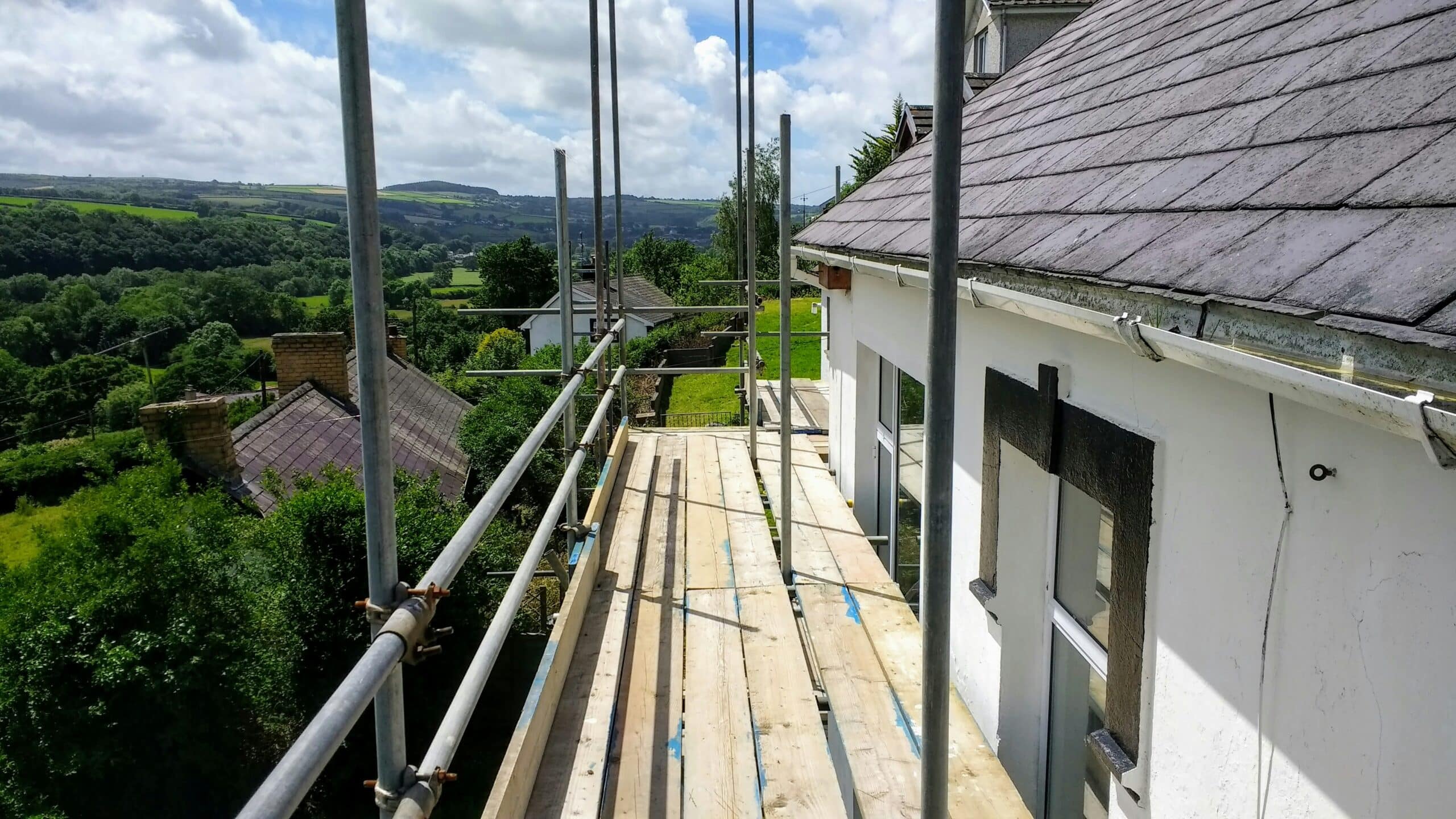
The Construction (Design and Management) Regulations 2015 – usually called CDM 2015 – were created to improve health, safety, and cooperation on construction projects. Often stakeholders feel that it is just red tape and “only for big jobs.” Earl Kendrick can help you apply it in a compliant and common sense way.
“When applied in a simple way, CDM can help not hold a project up.” Joe Hardiment
How can Earl Kendrick make the process simple?
1. Start With the Purpose, Not the Paperwork
CDM isn’t about forms, folders, or endless documents. It’s about managing risk sensibly.
The core aim of CDM 2015 is to make sure that:
- projects are planned properly – Design to Practical completion
- responsibilities are clear – who is doing what on the project?
- risks are identified and controlled – Ignoring generic risks, what is unquie about your project.
2. Understand the Three Main Roles
Every CDM project—no matter how big or small—has three key duty holders.
- The Client
The organisation or person having the work done. Some of the key roles of a client include: making sure there is time and money to plan work safely, appoint competent people who know their roles,
Clients don’t have to “do” the safety work—they must make sure it’s being done.
b) The Principal Designer (PD)
Earl Kendick provide PD services which apply our expert knowledge with common sense.
Required on any project with more than one contractor.
They must:
coordinate design work
eliminate or reduce risks through design decisions
ensure designers communicate and consider construction/maintenance safety
c) The Principal Contractor (PC)
Required where there’s more than one contractor. The PC keeps things organised so trades don’t clash or create hazards. Duties include: plan, manage, and coordinate work on site, prepare the Construction Phase Plan, make sure workers are trained, competent, and informed, ensure site risks are controlled day-to-day
3. Keep Documents Short, Clear, and Useful
CDM doesn’t demand thick folders – It asks for “proportionate, relevant information.”
- no copying and pasting generic text
- no “documents for the sake of documents”
The 3 documents include:
- Pre-Construction Information (PCI) – hazards and what designers/contractors need to know
- Construction Phase Plan (CPP) – how the work will be managed safely
Health & Safety File – information needed for future maintenance
The final steps
Focus on the Big Risks First – CDM encourages you to prioritise the hazards that cause the most harm:
Make Communication Continuous – Early design to Practical Completion
Competence Doesn’t Mean Qualifications – Experience counts
Keep Records That Prove You’ve Thought About Safety – Methods of work and risk assessments
Earl Kendrick specialist teams can provide expert advice at every stage of your project. Helping you to navigate the CDM.