


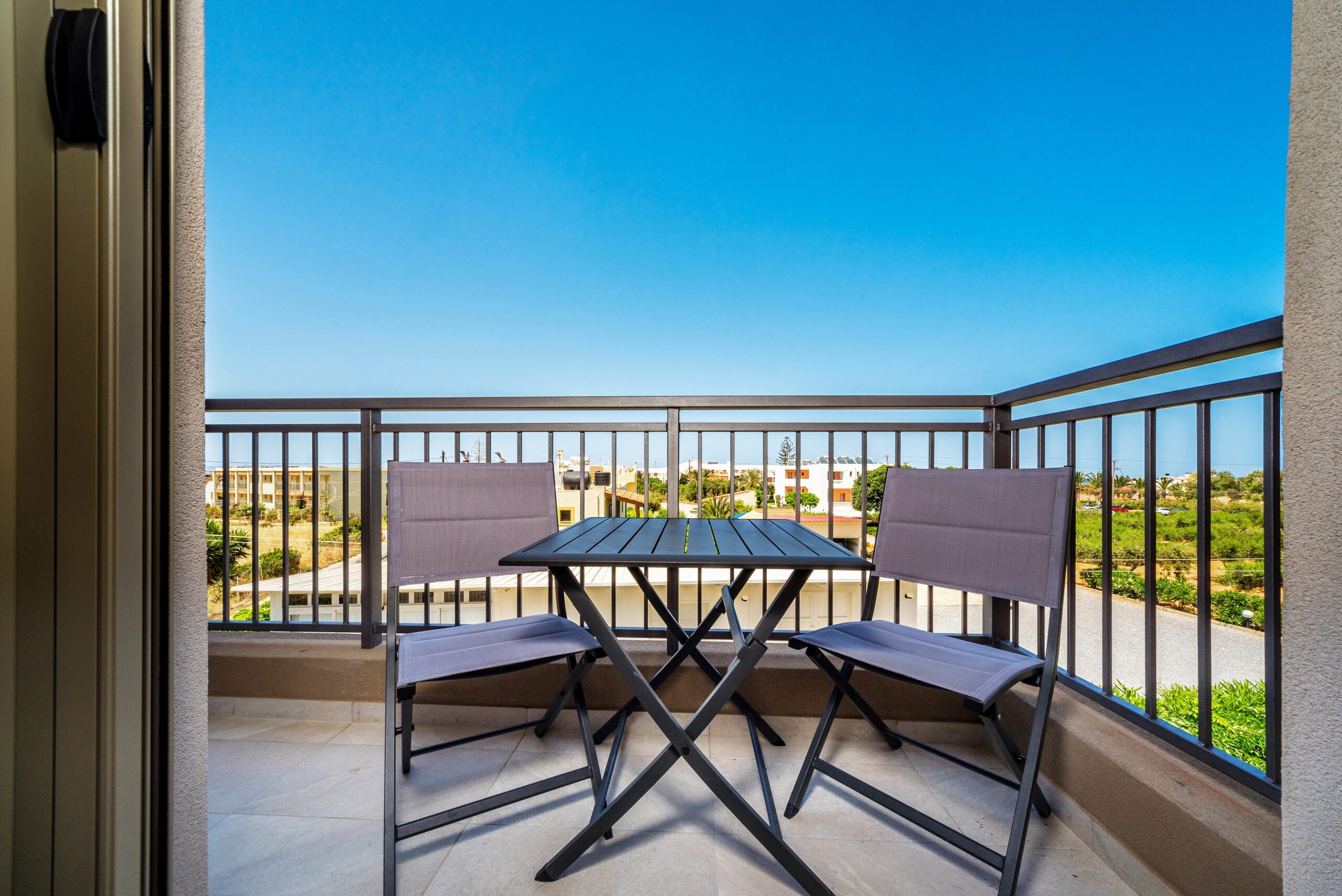
Many blocks have invested heavily in cladding remediation, balcony replacement and improved fire-safety features recently. Triggered by the wave of legislation changes following the Grenfell fire, this trend has been perpetuated by the rise in home working (and therefore increased balcony use).
Seemingly harmless behaviours can create risks that insurers, fire engineers and building managers take seriously. They can also undermine costly remediation work intended to make buildings safer for the long term. With so much investment and attention on external wall safety, it is vital that residents understand how to protect their block (and their insurance position) through safe balcony use.
More Home Working, More Use of Balconies
The shift to remote and hybrid working has changed the way communal buildings are used. People spend many more hours at home, which naturally means increased time on balconies. What was once an occasional space has become part of everyday living for many residents; a place to take work calls, have meals or to use as a small garden area.
This greater use brings practical benefits, but it also raises the likelihood of fire hazards, overloading and wear on balcony surfaces. Items that were rarely used before such as outdoor heaters, plug-in lights, cooking equipment or heavy planters are now far more common. These changes increase the risk profile for the building as a whole.
Cladding Scrutiny and Why Balcony Safety Matters
The UK remains focused on external wall systems, how buildings are constructed and how fire spreads on the outside of blocks. Even when cladding remediation has taken place, buildings still need careful long-term management.
External wall assessments often highlight balconies as potential risk points, especially those with timber decking, composite boards or metal panels fixed directly to façade systems.
Insurers look closely at balcony materials, distance between balconies, ventilation gaps and how easily fire could catch on stored items. A block that has undergone major remediation is expected to maintain high standards. If balcony risks increase, insurers may view this as undermining the building’s safety improvements. This is why resident behaviour is no longer a private matter. Safe balcony use plays a direct role in protecting the entire block.
BBQs, Heaters, Planters and Combustible Decorations
Some items are far more hazardous than many residents realise. A seasonal trend such as summer BBQs or winter heaters can create year-round risks if used or stored on balconies. Even small changes, such as decorative plants or string lights, can affect the building’s fire performance:
- BBQs: Gas or charcoal BBQs produce heat and open flames that can ignite combustible wall panels, decking or stored items. Even electric BBQs can overheat if placed against the façade. Many buildings prohibit all BBQs for this reason.
- Heaters: Patio heaters, plug-in devices and heated lamps can cause localised overheating, especially when placed near cladding or balcony ceilings. They can also dry out timber boards, making them more combustible.
- Planters and soil: Large planters add weight, which may exceed balcony load limits (with weight increasing when saturated). Soil can also retain moisture against wooden surfaces, speeding up decay. Some composite planters are combustible too.
- Combustible decorations: Artificial grass, bamboo screens, fabric hangings or temporary walls may appear harmless, but they can ignite quickly and support fire spread.
These risks may seem minor but compounded across dozens of balconies, they can have serious implications for the building’s safety and insurance terms. When insurers see fire-load increases, they may raise premiums, restrict cover or impose higher excesses.
How Balcony Behaviour Can Undermine Expensive Remediation Works
Many buildings have undergone costly improvements to reduce external-wall fire risk. These works may include replacing cladding, upgrading cavity barriers, removing combustible balcony decking or installing fire-resistant materials. These investments only deliver full protection if day-to-day behaviour remains consistent with the safety design.
Portable heaters, combustible screens or BBQs can undo important improvements by reintroducing fire-spread routes that engineers intended to remove. For example:
- A timber-free balcony system can still become fire-prone if covered with artificial turf.
- A fire-rated cladding panel can be compromised if residents fix combustible decorations onto it.
- A block designed with protected means of escape may be put at risk if smoke is generated on a balcony directly below a shared walkway.
From an insurance perspective, this behaviour creates what is known as “behavioural risk creep”. The building may technically meet all design standards after remediation, but resident activity can alter the real-world risk profile. Insurers assess both factors and poor balcony management can weaken the value of remediation work when underwriters review the block each year.
This matters for premiums. When risk creeps back in, insurers may feel unable to offer the best rates, even if the building has invested heavily in becoming safer. Stable insurance depends not only on strong construction but also on responsible everyday use.
Setting Expectations for Safe Balcony Use
Clear and consistent communication helps support safety. Many blocks now include balcony-use guidelines within their fire-safety strategy or welcome packs for new residents. These usually highlight prohibited items, safe storage advice and the importance of keeping balconies free from combustible materials.
Blocks that take this approach see fewer complaints, lower fire risks and better insurance outcomes. Residents also benefit, because a well-managed building protects their home and improves long-term property value.
It is also useful for Residents’ Management Companies and managing agents to work closely with insurers and fire-safety consultants. Their guidance can help shape sensible policies that reflect the specific materials and layout of the block.
Conclusion
Safe balcony use supports a healthy and secure community. When everyone plays their part, residents feel more confident in the safety of their homes. This reduces disputes, builds trust and helps people feel comfortable using their outdoor space without worry.
A safe environment also protects the investment made in remediation, improves the block’s appeal to buyers and keeps insurance costs more stable. In a city like London, where space is premium and balconies are often the only private outdoor area, managing these risks well is essential.