
Close Menu
Flat Living
    Facebook X (Twitter) Instagram
    • Home
    • About Us
    • Flat Living Sponsorship
    • Get In Touch
    • Directory
    • Subscribe
    LinkedIn Facebook X (Twitter) Instagram
    Flat Living
    • Block Management
      • Manage Your Block
        • Self Manage
        • Using a Managing Agent
        • Right to Manage
        • Forming a RMC
        • Managing Listed Flats
        • Communal Areas
      • Lease
        • About Your Lease
        • Buying Your Freehold
        • Extending Your Lease
      • Service Charges
        • About Service Charges
        • Service Charge Accounting
        • Collections and Arrears
        • Section 20
      • Health & Safety
        • Asbestos – Air – Water
        • Employing Contractors
        • Fire Protection
        • Fire Regulation
        • Health & Safety Law
      • Insurance
        • Buying Insurance for Your Block
        • Insurance Risk Management
        • Reinstatement Cost Assessment
        • Insurance for Communal Areas
        • Water Damage Prevention
        • Insurance for Buy to Let Landlords
        • Directors & Officers Liability Insurance
        • Making a Claim
      • Disputes
        • Landlord Disputes
        • Neighbour Disputes
        • Property Disputes
      • Major Works
        • About Major Works
        • Party Walls and Neighbour Matters
        • Section 20
      • Cleaning & Maintenance
        • Cleaning
        • Grounds
        • Maintenance
      • Communal Facilities
        • Lifts
        • EV Charging
        • Door Access and Gates
        • Heating & Utilities
        • Lighting
        • TV and Telecoms
      • Emergencies
        • Break-Ins
        • Lift
        • Out of Hours
        • Roof
        • Water
      • Software
      • Case Law
      • Customer Service & Marketing
      • FAQ
    • Leaseholders
      • Manage Your Block
        • Self Manage
        • Using a Managing Agent
        • Right to Manage
        • Forming a RMC
        • Managing Listed Flats
        • Communal Areas
      • Lease
        • About Your Lease
        • Buying Your Freehold
        • Extending Your Lease
      • Service Charges
        • About Service Charges
        • Collections and Arrears
        • Service Charge Accounting
        • Section 20
      • Disputes
        • Landlord Disputes
        • Neighbour Disputes
        • Property Disputes
      • Major Works
        • About Major Works
        • Party Walls and Neighbour Matters
        • Section 20
      • Communal Facilities
        • Lifts
        • EV Charging
        • Door Access and Gates
        • Heating & Utilities
        • Lighting
        • TV and Telecoms
      • Software
      • Landlords
        • Buying a Flat
        • Letting a Flat
        • Selling a Flat
      • Emergencies
        • Break-Ins
        • Lift
        • Out of Hours
        • Roof
        • Water
      • FAQ
    • Lifestyle
    • News
      • Industry News
      • Interviews
      • Opinion
      • Jobs
      • Flat Living Back Issues
    • Events, Training and Jobs
      • Events
      • Training
      • Jobs
    • Block Services
      • Flat Living Directory
    • Industry Associations
      • ARMA
      • ARHM
      • ALEP
      • FPRA
      • IRPM
      • Leasehold Advisory Service
      • Property Redress Scheme
      • National Leasehold Group
      • RICS
      • The Property Ombudsman
    Flat Living
    Home » The Maintenance You Can’t Afford to Overlook

    The Maintenance You Can’t Afford to Overlook

    0
    By Earl Kendrick Group on September 30, 2026 Cleaning and Maintenance, Industry News, Maintenance, News

    There is no shortage of cleaning advice on Instagram, offering any number of ingenious uses for bicarbonate of soda and vinegar. But what they are less likely to explain is how to clean several thousand square metres of external elevation, whether the job needs a mobile platform or a full scaffold, and which financial year should carry the cost.

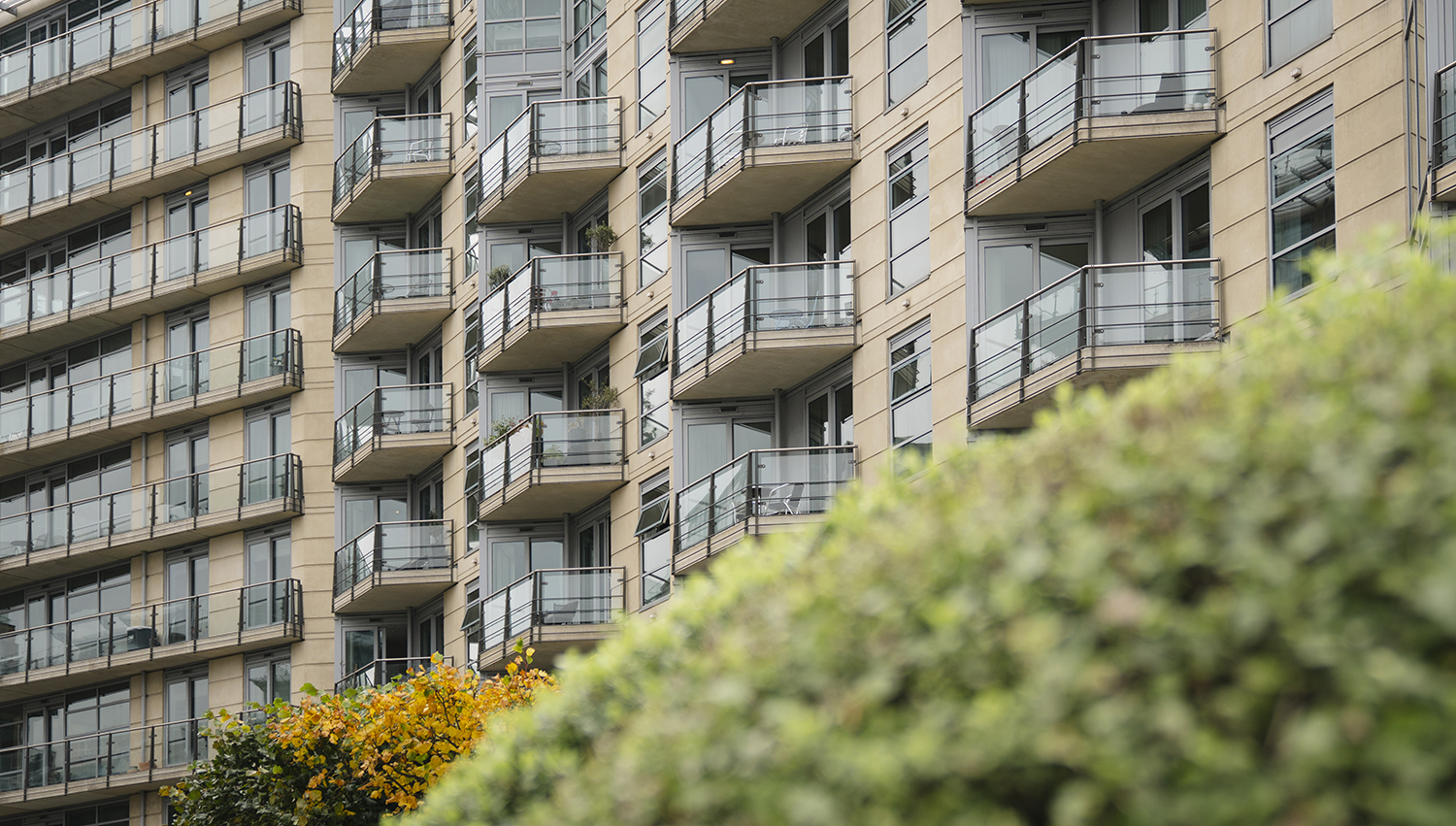
    For property owners and managers, cleaning is less a chore and more an asset-management decision. Internal common-area cleaning, window cleaning and clearing gutters are part of a routine operational budget. The bigger jobs – a full façade clean, roof works, cladding repairs – involve specialist contractors, extensive access equipment, surveys, licences and often repairs alongside the work itself. These cost need to be planned and budgeted for as capital expenditure, not squeezed out of next year’s service charge.

    Too often, these significant maintenance works get attention only when they become conspicuous and residents are asking why their development looks twenty years older than it is. By then, options are more disruptive and expensive than they would have been under a properly considered Planned Maintenance Programme.

    O&M Manual – where maintenance begins

    The O&M manual is where this should start. It should set out inspection, cleaning and recoating intervals for the building’s various elements, along with approved products and methods. All too often the manual is filed away and consulted only once something has gone wrong. It’s real power is in shaping the maintenance strategy from day one.

    Using it properly improves both timing and execution. The wrong chemical, too much pressure or an abrasive technique can damage a coating, alter its appearance or void a warranty. Anything due for cleaning or treatment should be assessed against the O&M requirements before a contractor arrives with a pressure washer and an optimistic expression.

    The question of access

    With most exterior works, safe access demands much of the cost. Low-rise elevations may need only a long-reach pole, tower or mobile platform; taller or more complex buildings may require scaffolding, rope access or both. Balconies, changing levels and neighbouring properties add complications, while residential programmes must accommodate residents, deliveries and daily life.

    As access is expensive, it should be used efficiently. Cleaning can be combined with inspections, sealant replacement, local repairs, decoration or lighting upgrades. Paying for scaffolding twice is an expensive lesson in joined-up planning.

    From condition survey to capital plan

    A robust Planned Maintenance Programme starts with evidence. A condition survey records the state of the building’s principal elements and estimates when work will be needed. From that evidence comes a costed programme looking five, ten or more years ahead.

    And a Planned Maintenance Programme has to stay a living document. Buildings age, defects emerge, priorities shift and prices move, so the plan needs reviewing and updating after every inspection and every completed project. A ten-year schedule written once and left untouched offers reassurance on paper and very little protection in practice.

    Good forecasting buys owners time to make informed decisions. A stain on a wall is easy to see; a capital reserve for work anticipated in four years’ time takes more explaining but it beats an unexpected demand once the work can no longer wait.

    Repair, replace or improve?

    Major maintenance projects are also a good time to ask whether like-for-like replacement is still the right answer. Building technology moves on, products improve, and the cheapest option today doesn’t always offer the best value over its working life. Lighting is the obvious example. Swap ageing common-area or external fittings for LEDs and you cut both energy use and how often anyone has to change a lamp, especially paired with presence detection or photocells designed around how the building is actually used.

    Condition-monitoring sensors on lifts, boiler plant and pumps can flag developing faults before they become breakdowns, turning an emergency callout into a planned visit. Leak-detection sensors in risers and roof voids catch slow water ingress long before it shows up as damp or staining. A live digital O&M record, logging inspections and flagging upcoming cleaning, recoating and servicing, is also far more likely to be used than a PDF buried on a server.

    Any of these still needs proper scrutiny and new technology should earn its place through clear benefit and solid evidence, not novelty. Look into compatibility, fire performance, planning implications, warranties, whole-life cost and whether replacement parts will still be available in ten years’ time.

    A planned project gives the professional team time to investigate, compare options and spend intelligently. An urgent one usually means accepting whatever can be sourced and installed quickly. That is why cleaning deserves attention long before the building looks dirty. By the time neglect is visible on the façade, it is often already showing in the budget.

    industry news Maintenance News
    Share. Facebook Twitter Pinterest LinkedIn Tumblr Email
    Earl Kendrick Group
    • Website
    • X (Twitter)
    • LinkedIn

    Earl Kendrick Group are a multi-disciplinary firm of chartered engineers, surveyors and designers, providing national services from our offices in London, North, Midlands, West and South Coast. Earl Kendrick Group | 020 3667 1510 | [email protected]

    Related Posts

    What Levels of Maintenance Exist in the UK Lift Industry?

    Right First Time: How Structured Data Transforms Everyday Repairs and Soft Services

    Good Maintenance Starts With Resident Involvement

    Comments are closed.

    You are here:

    Home → Cleaning & Maintenance → Maintenance

    Latest Articles
    September 30, 2026

    The Maintenance You Can’t Afford to Overlook

    September 30, 2026

    What Levels of Maintenance Exist in the UK Lift Industry?

    September 30, 2026

    Right First Time: How Structured Data Transforms Everyday Repairs and Soft Services

    September 30, 2026

    Good Maintenance Starts With Resident Involvement

    • Manage Your Block
    • Lease
    • Health & Safety
    • Insurance
    • Disputes
    • Major Works
    • Cleaning and Maintenance
    • Communal Facilities
    • Software
    • Landlords
    • Events, Training and Jobs
    • Customer Service & Marketing
    • Case Law
    • News
    • Interviews
    • Opinion
    About Flat Living

    Flat Living is a trading name of www.flat-living.co.uk Ltd.  Registered Office: 3rd Floor, St. David's Court, Union Street, Wolverhampton, WV1 3JE.

    Registered in England and Wales CRN No. 06738048.

    Quick Site Links
    • About Us
    • Contact Us
    • Industry Associations
    • Flat Living Sponsorship
    Search This Website
    • Home
    • Get In Touch
    • Cookie Policy
    • Privacy Notice

    Type above and press Enter to search. Press Esc to cancel.