


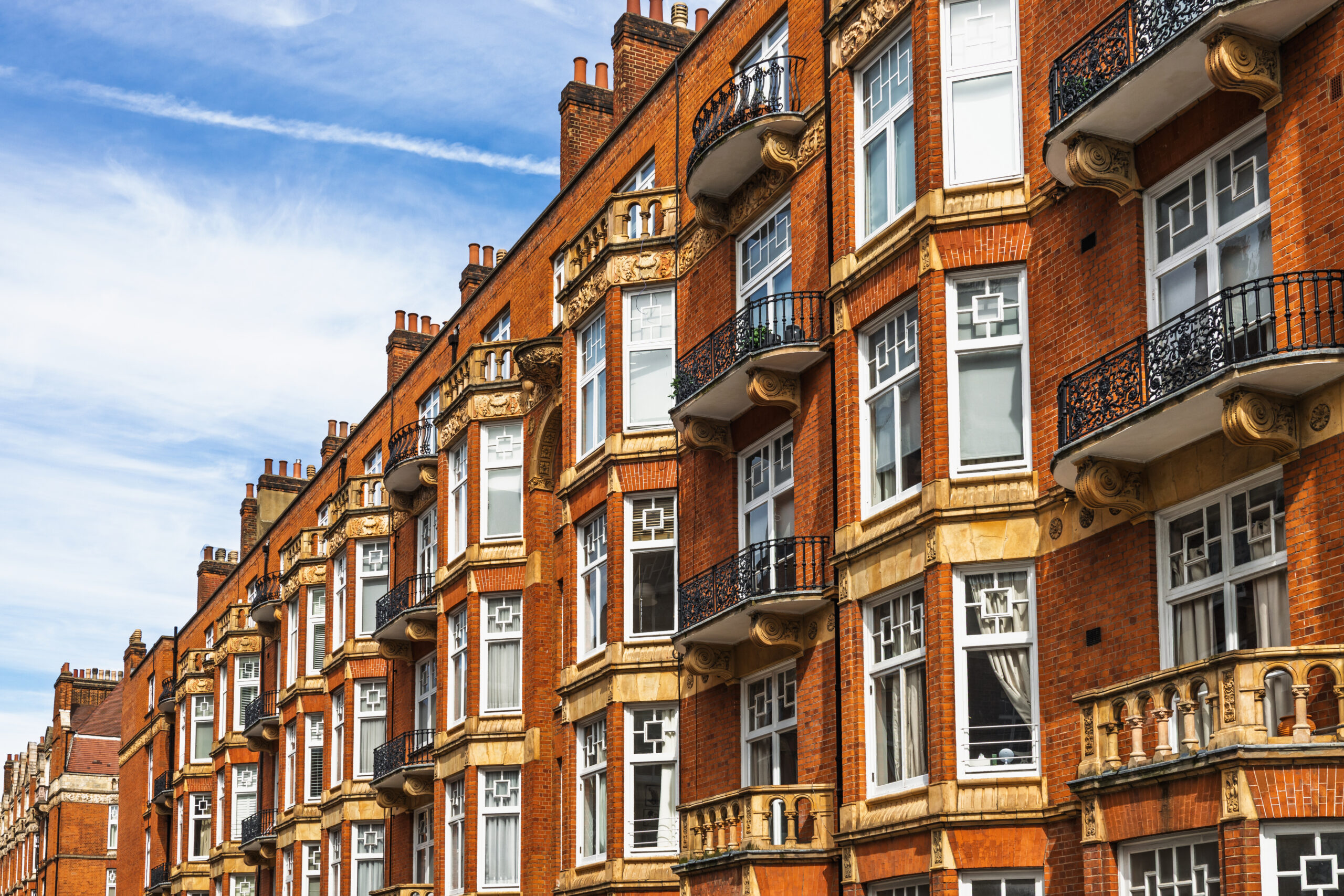
Living in a listed building can be a unique experience. From elegant Georgian conversions and Victorian mansion blocks to Art Deco apartments, historic buildings often offer character and architectural details that are difficult to find in modern developments.
But owning a flat in a listed building carries extra responsibilities. Alterations that might be straightforward elsewhere can require careful consideration and formal consent; not only regarding the outside of the building but also the features inside individual flats.
For flat owners, the key is to understand what the building’s listing means before making changes. Speaking to the right people at an early stage can help preserve the character of the building while avoiding delays, unexpected costs and potential enforcement action.
What Does It Mean When a Building Is Listed?
In England, a listed building is one recognised as being of special architectural or historic interest. Listing provides legal protection so that changes that could affect the building’s special character are properly considered and controlled.
There are three grades:
- Grade II buildings are of special interest. Around 92% of listed buildings are in this category.
- Grade II* buildings are of more than special interest – around 5.8% fall into this category.
- Grade I buildings are of exceptional interest, with only around 2.5% of listed buildings falling into this category.
The grade reflects the building’s significance, but an important point for flat owners to note is that all three grades have legal protection.
Does Listing Only Cover the Outside?
Listing generally protects the whole building, not just front elevation or features specifically mentioned in the listing description. Historic England explains that this means works requiring consent can include internal alterations as well as changes to external features such as replacement windows.
This is particularly important in blocks converted into flats. A flat may contain historic fireplaces, doors, plasterwork, panelling, floor structures or original layouts that contribute to the building’s significance. Communal staircases, entrance halls, windows, railings and other shared features may also be protected. Owners should therefore never assume that works are acceptable just because the changes cannot be seen from the street.
What Can You Change?
Listings do not mean a building has to remain frozen in time. Historic buildings can be altered and adapted for modern living – the key question is whether proposed work would affect the building’s character as a building of special architectural or historic interest. If it would, Listed Building Consent is likely to be required.
Some straightforward maintenance and redecoration may not require consent, particularly where there is no impact on historic fabric or character. However, there is no universal list of changes that every listed flat owner can make without permission. Even decoration can occasionally require greater thought.
Windows and Doors Are Major Red Flags
Replacing windows is one of the most obvious areas where listed building restrictions can apply. Original sash windows, glazing patterns, frames and historic glass can form an important part of a building’s character. Replacing timber windows with modern alternatives, even where the new windows appear similar, could require Listed Building Consent. Doors can be equally important. This includes external doors and, potentially, internal or flat entrance doors.
In a block of flats there may also be other considerations, including fire safety requirements and responsibilities under the lease. Replacing a flat entrance door, for example, cannot simply be approached as a cosmetic home improvement if that door also performs an important fire-safety function.
Changing the Internal Layout
Open-plan living is popular, but removing walls in a listed flat requires particular care. An internal wall may contribute to the historic layout and significance of the property, and structural changes can also affect other flats and the wider building.
Before removing walls, creating new openings or significantly changing a room layout, owners should seek professional advice. Consent may be needed even where a wall is not load-bearing. The heritage question is less about structural stability and more about whether the change affects the building’s special architectural or historic character.
Don’t Forget the Lease
Listed Building Consent is only one part of the picture. Flat owners also need to check their lease which may require permission from the freeholder, RMC or another management body before alterations can take place. Listed Building Consent does not necessarily give a leaseholder permission to proceed under their lease, and obtaining landlord consent does not remove the need for statutory approvals.
Planning permission and Building Regulations approval may also be required depending on the project. Historic England recommends considering the different permissions together where more than one is needed.
Who Should You Speak to First?
For most flat owners, a sensible first step is to speak to the managing agent, freeholder, RMC or RTM company. They can explain what the lease requires and whether similar work has previously been carried out elsewhere in the building.
The local planning authority should then be contacted about heritage requirements. The conservation officer can advise whether Listed Building Consent is likely to be required and what type of work may be considered appropriate.
Depending on the project, you may also need a conservation-accredited architect or surveyor, structural engineer or specialist contractor experienced in historic buildings. For significant proposals affecting Grade I and Grade II* buildings, Historic England may also become involved through the planning process.
Why Permission Matters
It can be tempting to carry out a minor alteration without consent, but this can be a very expensive mistake. Carrying out works that require Listed Building Consent without obtaining is actually a criminal offence.
Local planning authorities can require unauthorised alterations to be reversed, and unauthorised work can also cause problems when the property is later sold. For flat owners, there can be additional consequences if works breach the lease or cause damage to communal or neighbouring property.
Insurance should also be considered before substantial alterations begin. Owners should check that proposed works do not affect existing cover and that contractors have suitable insurance.
Enjoying Your Historic Home
Owning a listed flat does not mean improvements cannot be made at all, it simply requires a more considered approach. Historic buildings have survived because their distinctive features have been protected and maintained over generations. Understanding those features before making changes helps owners modernise their homes without losing the character that made them attractive in the first place.
The best approach is to plan early. Check the listing, read your lease, speak to your managing agent or resident management company and contact the local conservation officer before committing to work. For larger projects, bring in professionals with genuine historic-building experience.
A few extra conversations at the beginning of a project can save considerable time, money and difficulty later. More importantly, they help ensure that a listed block remains both a comfortable place to live and an important part of Britain’s architectural heritage for years to come.