


The UK Lift industry has seen significant changes driven by advancements in building regulations, sustainability goals, and the need to enhance accessibility and safety standards. This article explores the key updates in UK lift related legislation, their impact on property owners, businesses, and the legal sector, and what stakeholders can expect in the coming year.
1. Safety Standards and Regulations
Those living in “High-Risk Buildings” (HRB) should be aware of the Building Safety Act 2022 and the impact this is having on capital works programmes. The Building Safety Regulator (BSR) is a body designed to ensure that some of the shortcomings which ultimately contributed to the high-profile issues surrounding cladding and fire propagation does not happen again. Subsequently they have been tasked with assessing capital works within existing buildings, (and plans for new build developments), to ensure the teams tasked with designing these schemes are competent, diligent, and consider the safety of the building (and its inhabitants) in every step of the process.
Any building over 18m tall, (from entry level to highest inhabited floor), and/or 7 floors, (i.e. G, 1-6), constitutes as a “High-Risk Building”; so subsequently, this act has brought many existing properties in the cities of the UK into that category.
The “Client” of these buildings, (i.e. the freeholder or RTM company), needs to alert the Building Safety Regulator to any works planned in these buildings which may impact on the fabric and services within it. Whilst there is not a prescriptive list; any significant planned works will, (in the most part), fall under these guidelines and applications need to be submitted and granted before works can commence.
There are areas where works may not need to be reported and approved in advance of commencement; these are “Maintenance” which constitutes no significant material changes, but ongoing works to keep systems functional. The other item is “Emergency” where the building is deemed to be at risk if action is not undertaken to rectify the issue, (i.e. a failed Firefighting Lift may need significant investment to reinstate service and this could bypass the lengthy application process). However, when the emergency route is undertaken, full documentation will need to be produced, as the BSR will need to be contacted to obtain a Regularisation Certificate for the works undertaken – thus maintaining the information required for the buildings “Golden Thread” which should inform designers in decades to come of the works completed.
Ardent Lift Consultancy are well versed in Section 20 requirements and the need to align these with plans for BSR works within the HRB environment; we would always be happy to support clients in ensuring that the actions they are taking comply with the current landscape of regulatory compliance.
Other areas to consider within your buildings are as follows:
- Mandatory Inspections: Regulations require more frequent inspections and servicing of lifts to ensure that all lifts meet the required safety standards. Property owners are obligated to ensure their lifts are checked bi-annually, (every 6 months), by accredited engineers. Failure to do so can result in significant fines or legal action, particularly when inspections reveal unsafe conditions.
- Modernisation Requirements: As part of the ongoing effort to ensure that lifts meet modern standards, new legislation mandates the modernisation of older lifts that fall below specific safety thresholds. These include lifts with outdated mechanisms or inadequate emergency systems, especially in older buildings that have not undergone recent updates.
- Emergency Systems and Communication: The new laws also place a strong emphasis on the emergency communication systems within lifts. A key area is the requirement for lifts to include systems that allow passengers to communicate directly with emergency services. This is another changing landscape with the digital change over happening to old copper telephone lines to fibre cabling; which in some instances will prevent the lift communication device from operating.
2. Focus on Accessibility and Inclusivity
Accessibility remains a central issue within UK legal updates on lifts, particularly concerning the needs of elderly or disabled individuals. In 2025, the UK government introduced new legislation focused on making public and private buildings more inclusive. Lift design and functionality are key components of this initiative:
- Universal Design Standards: Legislation requires that all new buildings with more than two floors must include lifts that comply with universal design standards. This means lifts must be accessible to people with a wide range of disabilities, from those in wheelchairs to individuals with hearing or visual impairments.
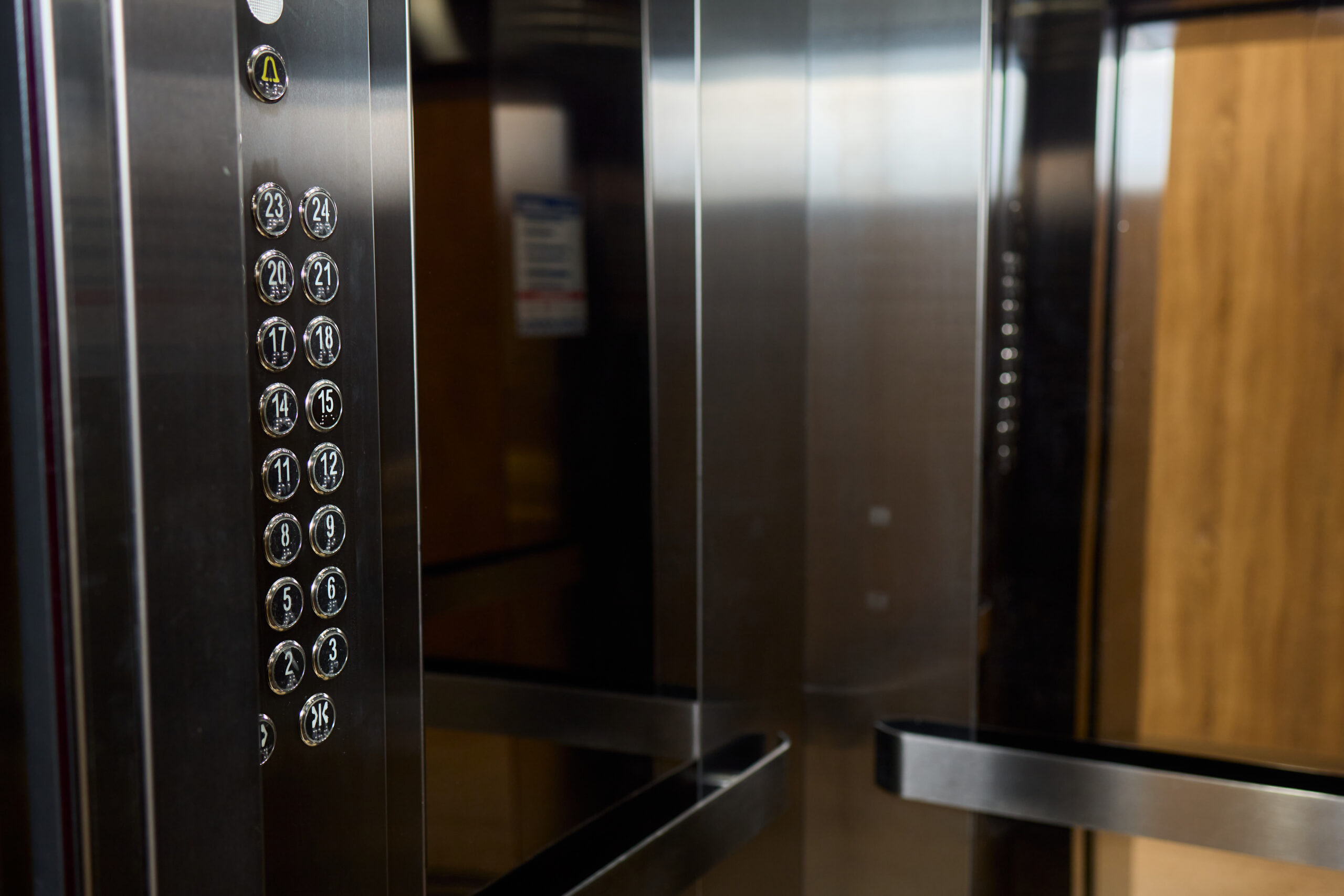
- Lift Size and Features: Building regulations have specifications around the size of lifts to accommodate larger wheelchairs, mobility aids, and electric scooters. Additionally, lifts must now include features such as audio-visual signals, tactile buttons, and more inclusive design elements.
- Exemptions and Penalties: There are stricter penalties for businesses and property owners who fail to meet these accessibility standards. Any exemptions granted to existing buildings must be thoroughly justified, with owners needing to provide clear alternatives for accessibility, such as ramps or external lifts.
3. Environmental and Sustainability Considerations
As part of the UK’s broader sustainability agenda, significant changes in lift regulations also address the environmental impact of lift systems. These updates are part of the government’s initiative to reduce carbon emissions and energy consumption across all industries:
- Energy-Efficient Lifts: Legislation now encourages the adoption of energy-efficient lifts, including the use of regenerative drives and low-energy lighting systems. This aligns with broader government goals to achieve net-zero carbon emissions by 2050. The legal updates stipulate that all newly installed lifts in commercial buildings must comply with these energy-saving technologies.
- Sustainable Materials: The legal framework has also been updated to encourage the use of sustainable materials in the construction and maintenance of lift systems. This includes the use of recyclable materials and the reduction of the environmental footprint of lifts during installation and decommissioning.
A key area where Ardent Lift Consultancy add to the environmental effort is by advising clients to modernise rather than replace their lifts – this is not only environmentally sound; but it generally saves the clients lots of time, money and disturbance in the process.
4. Liability and Insurance Changes
With the rising complexity of lift technology and the need for more stringent safety practices, the liability landscape is shifting. Several key updates are being made to the legal framework governing lift accidents and the associated insurance policies:
- Legal Liability of Property Owners: Property owners and managers face stricter legal obligations in ensuring their lifts are safe. If an accident occurs due to failure to maintain or modernise the lift system according to updated regulations, owners can face substantial legal claims and compensation payouts.
- Insurance Requirements: Property owners have to obtain comprehensive lift maintenance and liability insurance policies. These policies include coverage for legal costs, compensation claims, and the cost of repairs resulting from any accident or malfunction, particularly in cases where safety regulations were not followed.
- Accident Reporting and Investigation: There is an emphasis on the reporting and investigation of lift related accidents. All incidents involving injuries or fatalities must be reported to the HSE, which will then investigate the cause, enforce compliance, and issue recommendations for future safety measures.
Conclusion
The legal landscape for lifts in the UK is rapidly changing as the country adapts to new safety, accessibility, environmental, and technological standards. For property owners, managers, and businesses, staying informed of these updates is essential to avoid legal risks, comply with evolving regulations, and provide safe, accessible, and sustainable environments for all. As the regulations around lift technology and safety continue to tighten, the legal sector will play a critical role in guiding the industry through these changes, ensuring that all stakeholders are aligned with the latest legal and regulatory requirements.
The team at Ardent Lift Consultancy are always on hand should you need to have some advice and support in these areas.