


In recent years, conversations around mental health have shifted from silence to openness. What was once considered a taboo subject is now recognised as a critical component of a healthy, high-performing workforce. The lift industry is no exception. With its unique demands and pressures, prioritising mental well-being has become both a responsibility and a necessity.
The lift industry operates at the intersection of technical precision, physical labour, and safety-critical environments. While these factors drive the sector’s importance, they also introduce challenges that can take a toll on mental health. Addressing these challenges is not only vital for employees’ well-being, but also for maintaining safety standards, productivity, and long-term industry success.
Why Mental Health Matters in the Lift Industry
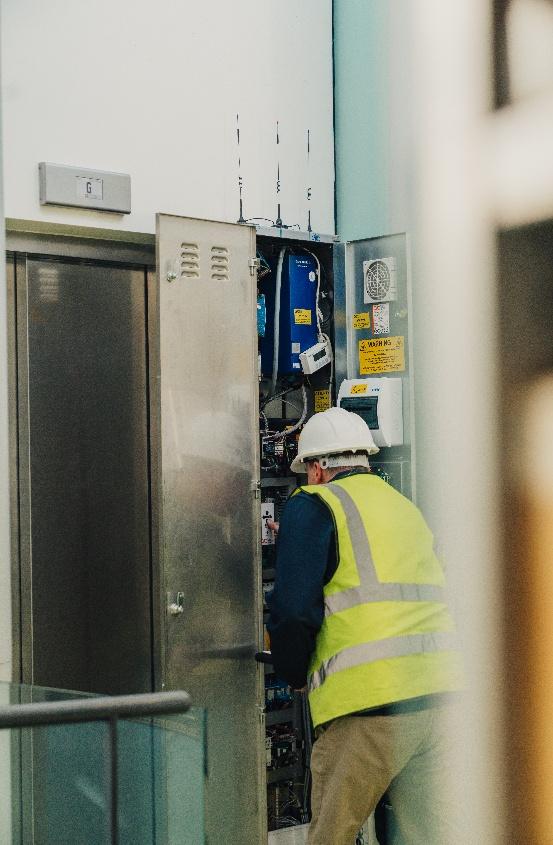
Mental health is fundamental in any workplace, but in the lift industry, its importance is amplified. Engineers and technicians routinely carry out physically demanding tasks, installing, maintaining, and repairing lifts and escalators, often in high-risk or confined environments such as construction sites and high-rise buildings.
These conditions can contribute to both physical fatigue and mental strain. Add to this the reality of long hours, tight deadlines, and unpredictable emergency callouts, and it becomes clear how easily stress, anxiety, and burnout can develop.
When mental health is compromised, the consequences extend beyond the individual. Reduced concentration, impaired decision-making, and slower reaction times can increase the risk of errors or accidents. In a safety-critical industry, mental well-being is not just personal, it’s operational.
Understanding the Unique Pressures
Several factors combine to create a distinct set of stressors within the lift industry:
- Physical Demands
Handling heavy equipment, working in confined spaces, and operating at height can lead to sustained physical and mental fatigue.
- Safety-Critical Work
The inherent risks of working with complex machinery mean that employees must remain constantly alert. This ongoing pressure can contribute to heightened stress and anxiety.
- Irregular Hours and Unpredictability
Emergency repairs and out-of-hours maintenance disrupt routines and personal time, often leading to poor work-life balance and feelings of isolation.
Building a Healthier Industry
While the challenges are real, they are not insurmountable. By taking proactive steps, organisations can create a culture that supports mental well-being and resilience.
Encouraging Open Conversations
Creating an environment where employees feel safe to speak openly about mental health is essential. Leadership plays a key role here, normalising these discussions helps break down stigma and encourages individuals to seek support early.
Training and Awareness
Providing training to help employees and managers recognise the signs of mental health struggles can make a significant difference. Early intervention often prevents more serious issues from developing. Ongoing education around stress management, mindfulness, and coping strategies also empowers individuals to take control of their well-being.
Access to Support Services
Practical support is critical. Employee Assistance Programmes (EAPs), counselling services, and access to mental health professionals, whether in person or online, ensure that help is available when it’s needed most.
Promoting Work-Life Balance
Simple but meaningful changes, such as fair scheduling, adequate rest periods, and flexibility where possible, can reduce burnout. Encouraging employees to take time off, including mental health days, reinforces the message that well-being is a priority.
Fostering Peer Support
Strong team connections can act as a powerful buffer against stress. Encouraging peer support, check-ins, and a sense of camaraderie helps reduce isolation and builds a more resilient workforce.
Looking Ahead
The lift industry is built on reliability, safety, and precision, but these qualities depend on the people behind the work. Investing in mental health is not an optional extra; it is a core component of a sustainable and successful industry.
Which is why Ardent pride ourselves on having a real ‘family feel’ to the business, and as such it is always a top priority of ours to ensure that everyone feels valued, we go out of our way to do inclusive events outside of work on a regular basis to keep everyone thriving, including escape rooms, theatre visits, meals out and organising charity events to support the Lift Industry Charity as well as St Elizabeth Hospice.
By promoting awareness, providing support, and embedding well-being into workplace culture, the lift sector can rise to the challenge. The result is not only healthier employees, but a safer, more productive, and future-ready industry.