


The Hidden Reality Behind Everyday Journeys
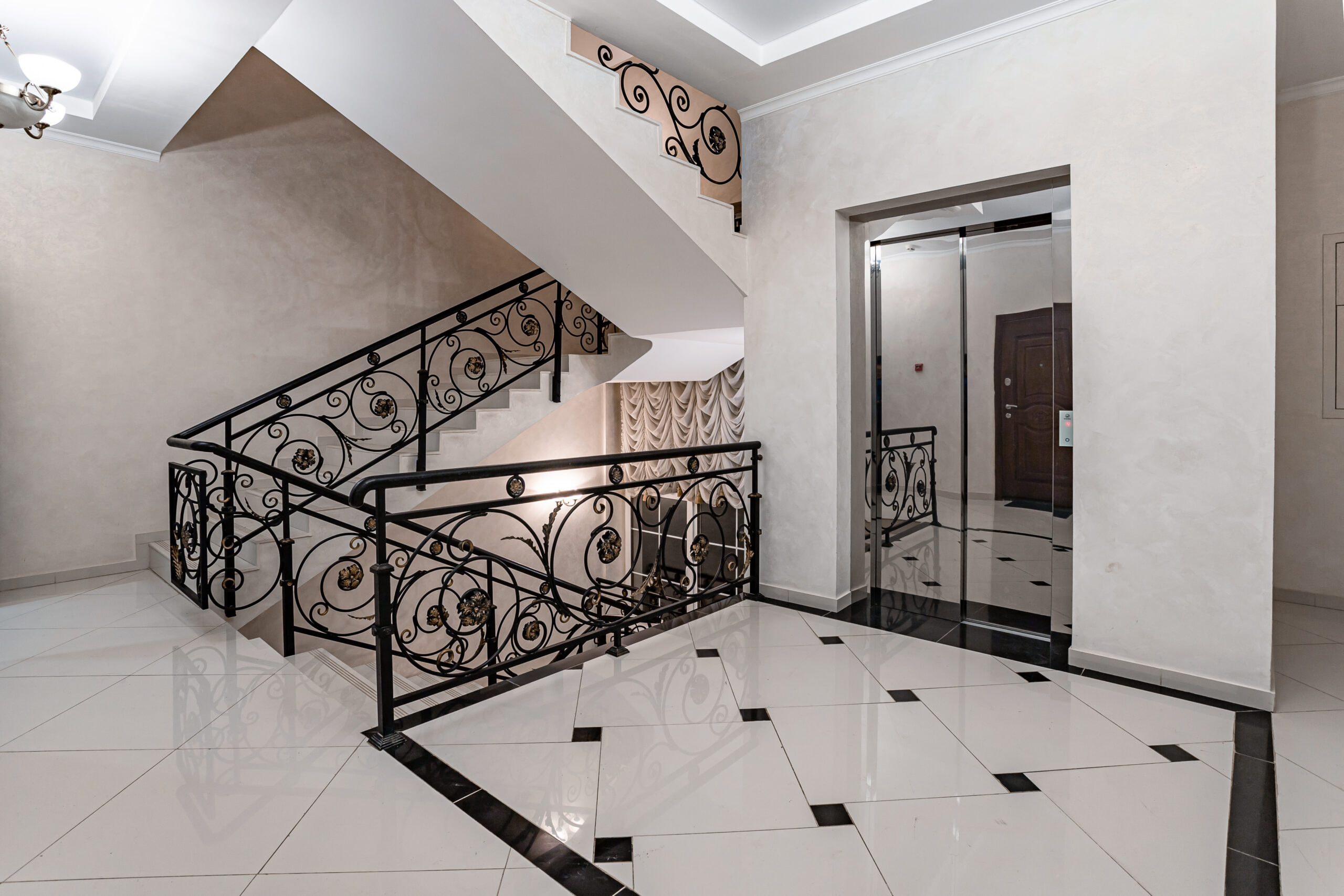
Step into any communal area, and you’ll notice the details that shape first impressions. Clean floors, fresh paint, good lighting, and of course, the lift.
It’s easy to judge a lift by what you can see. A modern interior, responsive buttons, a smooth ride. On the surface, everything appears to be working exactly as it should.
But here’s the uncomfortable truth: what you see is only a fraction of the story.
Much like an iceberg, the visible part of a lift represents just the tip. Beneath it lies a far more complex, and often overlooked, reality that can significantly impact safety, reliability, and cost.
Communal Areas: Where Perception Meets Responsibility
Communal areas are shared spaces. They influence resident satisfaction, tenant retention, and the perceived quality of a building.
For property managers, they’re also high-pressure environments. Everything needs to work. Consistently.
And lifts sit right and the centre of that expectation.
When a lift looks clean and operates smoothly, it creates confidence. But that confidence can be misleading.
The risk? Decisions based on appearance rather than reality.
The Tip of the Iceberg: What Everyone Notices
In communal environments, attention naturally gravitates towards what residents interact with daily.
Things like interior finishes, button responsiveness, and ride comfort all contribute to the user experience. If something feels “off”, a delay, a noise, a worn panel, it gets noticed quickly. And rightly so.
These visible elements matter. They shape perception and can signal when something isn’t quite right.
But they don’t tell you everything. In fact, they tell you very little about the lift’s actual condition.
Beneath the Surface: Where the Real Risks Live
Behind the walls, above the ceiling, and within control systems sits the true substance of a lift.
This is where performance is defined and where problems often begin.
Critical components such as hoisting machinery, control systems, safety mechanisms, and door operations are constantly working in the background. When they start to degrade, the signals aren’t always immediate.
A lift can still appear to function normally while underlying issues develop.
That’s what makes lifts in communal areas particularly deceptive. The environment is visible. The asset is not.
And without proper insight, small issues can quietly escalate into:
- Unexpected breakdowns
- Increasing repair costs
- Compliance risks
- Resident dissatisfaction
Why “It’s Working Fine” Can Be a Costly Assumption
One of the most common challenges in lift management is timing.
If a lift hasn’t broken down, it’s often assumed to be in good condition. But in reality, many failures are the result of issues that have been developing for months or even years.
Waiting for visible signs or reactive failures is rarely cost-effective.
In communal settings, the impact is amplified. A single lift outage doesn’t just inconvenience one person; it affects an entire building.
And what then happens, the question quickly shifts from “What went wrong?” to “Why didn’t we know sooner?”
Seeing What You Can’t See: The Value of Independent Insight
This is where a more informed, proactive approach becomes essential.
Understanding a lift’s true condition requires more than surface-level observation. It requires independent, expert assessment, something that ILECS specialises in through its inspection and consultancy services.
By looking beyond the visible, independent lift inspections provide:
- Clarity on the actual condition of critical components
- Insight into compliance with current regulations
- Forward planning for repairs, upgrades, or replacement
In other words, they remove the guesswork.
And in communal environments, removing uncertainty is everything.
From Reactive to Proactive: A Smarter Way to Manage Communal Assets
When you start treating lifts like icebergs, acknowledging both what’s visible and what isn’t, your approach to management changes.
Decisions become proactive rather than reactive. Budgets become more predictable. And most importantly, risk is significantly reduced.
For property managers, this means fewer surprises. For residents, it means a more reliable, safer experience in the spaces they use every day.
The Takeaway: Don’t Let Appearances Dictate Decisions
Communal areas are designed to be seen. But the systems that support them often aren’t. And when it comes to lifts, what you can’t see matters the most.
Relying on appearance alone is a risk, and one that can lead to avoidable costs, disruptions, and compliance issues.
What to understand what’s really going on behind the scenes?
Request an independent lift inspection and gain a clear, independent view of your lift’s true condition, so you can make informed decisions with confidence.