



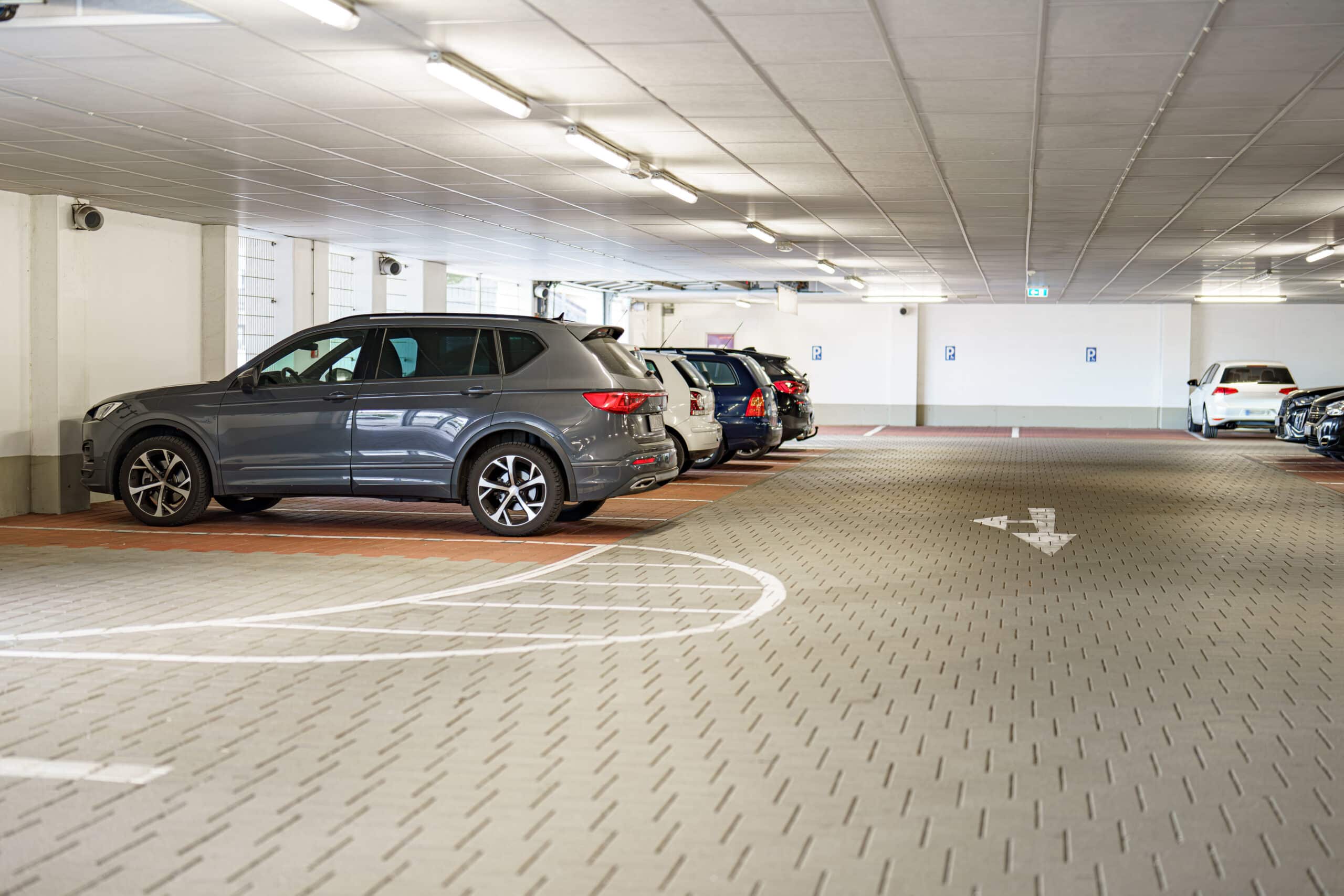
Car parks and courtyards are some of the most visible parts of a residential block. When managed well, these areas provide convenient parking, safe access and a welcoming outdoor space used daily by residents, visitors, delivery drivers and contractors. When poorly managed, they can quickly become a source of tension, security concerns and anti-social behaviour.
Parking disputes, misuse of visitor spaces, loitering and late-night noise are common challenges in many developments. However, with clear policies, sensible design and consistent management, these problems can be significantly reduced.
This article explores practical ways to manage parking, improve security and discourage anti-social behaviour in shared external areas.
A Vital Convenience and First Impression
Car parks and courtyards are often the first spaces people encounter when arriving at a block, and they create an immediate impression of how well the building is managed. A tidy, well-lit and organised area suggests care and professionalism. In contrast, cluttered spaces, poor lighting or confusing parking arrangements can create frustration and safety concerns.
These areas also affect everyday life for residents. Difficulty finding a parking space, blocked access routes or noisy gatherings can quickly escalate into disputes. Good management therefore protects both the physical environment and the relationships between residents.
Understanding Common Parking Issues
Parking disputes are among the most common complaints in residential developments. Typical issues include:
- Residents using spaces that are not allocated to them
- Visitors occupying resident spaces
- Contractors blocking access routes
- Vehicles parked outside marked bays
- Long-term storage of unused vehicles
These problems usually arise when parking arrangements are unclear or poorly communicated. A well-designed parking system should make it obvious which spaces belong to which flats, and which areas are reserved for visitors or service vehicles.
Clear Signage and Simple Rules
One of the simplest ways to reduce parking disputes is through clear signage and straightforward rules. Clear markings, numbering and signage help remove uncertainty. When residents know exactly where they should park, misunderstandings become less likely.
Signs should explain key points such as:
- Which spaces are allocated
- Whether visitor parking is available
- Any time restrictions
- Where parking is not permitted
Signage should be easy to read and positioned in drivers’ eyelines. There should also be consistency across the site.
House rules distributed to residents should also explain parking arrangements. This ensures that expectations are clear from the start, particularly for new residents or tenants. Enforcement becomes much easier when rules are visible and widely understood.
Sensible Enforcement Approaches
Even with clear rules, some enforcement may be necessary. The aim should not be to punish residents but to maintain fairness and access for everyone.
Some developments work with professional parking management companies who monitor compliance and issue notices where necessary. When choosing this route, it is important that the system is proportionate and transparent. Excessive or poorly communicated enforcement can create resentment.
In smaller blocks, informal monitoring may be enough. Managing agents or resident directors may simply remind residents of the rules when problems arise. The most effective systems combine clarity with fairness. When rules are consistently applied, residents are more likely to respect them.
Lighting and Visibility
Good lighting plays an important role in both security and behaviour. Poorly lit car parks and courtyards can attract anti-social activity and make residents feel unsafe. Bright, evenly distributed lighting improves visibility and reduces opportunities for unwanted behaviour. It also helps drivers park safely and navigate the area without difficulty.
Energy-efficient LED lighting is often a practical choice. Motion sensors can be used in some areas to conserve energy while maintaining security. Regular checks are essential – broken lights should be replaced promptly to avoid dark corners developing.
CCTV as a Deterrent
Closed-circuit television (CCTV) can be a valuable tool in managing shared external spaces. Visible cameras often act as a deterrent to anti-social behaviour, vandalism or vehicle crime.
Where CCTV is installed, residents should be informed about its purpose and coverage, and clear signage should be used to explain that the system is in operation.
CCTV systems must be used responsibly and in accordance with data protection requirements. Cameras should focus on communal areas rather than private spaces. When managed properly, cameras can provide reassurance to residents and support investigations if incidents occur.
Designing Spaces That Discourage Problems
Physical design can have a significant influence on behaviour. Well-designed courtyards and car parks naturally discourage misuse. Open sightlines, clear pathways and well-defined parking bays reduce confusion and make areas easier to supervise.
Landscaping and seating areas can also help create a positive environment. When residents feel comfortable spending time in communal outdoor spaces, they are more likely to take pride in them. This sense of shared ownership can discourage anti-social behaviour too.
Responding to Anti-Social Behaviour
Anti-social behaviour may include late-night noise, vandalism, littering or misuse of shared areas. While occasional incidents may occur in any development, repeated behaviour requires a structured response.
The first step is to document the issue. Dates, times and descriptions help establish patterns and allow managing agents or directors to assess the situation accurately.
Communication with residents is also important. Often people are unaware that their behaviour is causing disturbance. If problems continue, managing agents may need to refer to lease obligations or house rules. These documents often contain clauses relating to nuisance or misuse of communal areas.
In more serious cases, cooperation with local authorities or neighbourhood policing teams may be appropriate.
The Importance of Maintenance
Well-maintained spaces are less likely to attract misuse. Regular cleaning, prompt repair of damage and tidy landscaping all contribute to a sense of care. Broken barriers, faded parking markings or overflowing rubbish bins can signal neglect. Addressing these issues quickly helps maintain order and encourages respectful use.
Routine inspections by managing agents or site staff help ensure that potential problems are identified early.
Conclusion
Managing shared external areas requires a balanced approach. Parking systems must be clear and fair, security measures should support safety without creating unnecessary restrictions, and spaces should be maintained so they remain welcoming.
By focusing on practical design, transparent rules and consistent management, blocks of flats can transform car parks and courtyards from sources of frustration into well-functioning shared spaces that benefit the whole community.