


Health, Safety & Fire Risk Assessments Explained
Property managers have a legal and moral responsibility to ensure the safety of their buildings. Regular risk assessments help to prevent harm, meet legal requirements, and maintain insurance coverage.
With the recent introduction of new regulations, expectations around proactive risk management have increased – especially for high-rise and multi-occupancy residential buildings.
Risk Assessment Types
Property managers need to be familiar with two key assessments: Health and Safety Risk and Fire Risk Assessments. They may overlap, but they serve distinct functions and are governed by different legislation.
Health and Safety Risk Assessments look at general hazards within the building, aiming to identify foreseeable risks and put control measures in place to reduce or remove them.
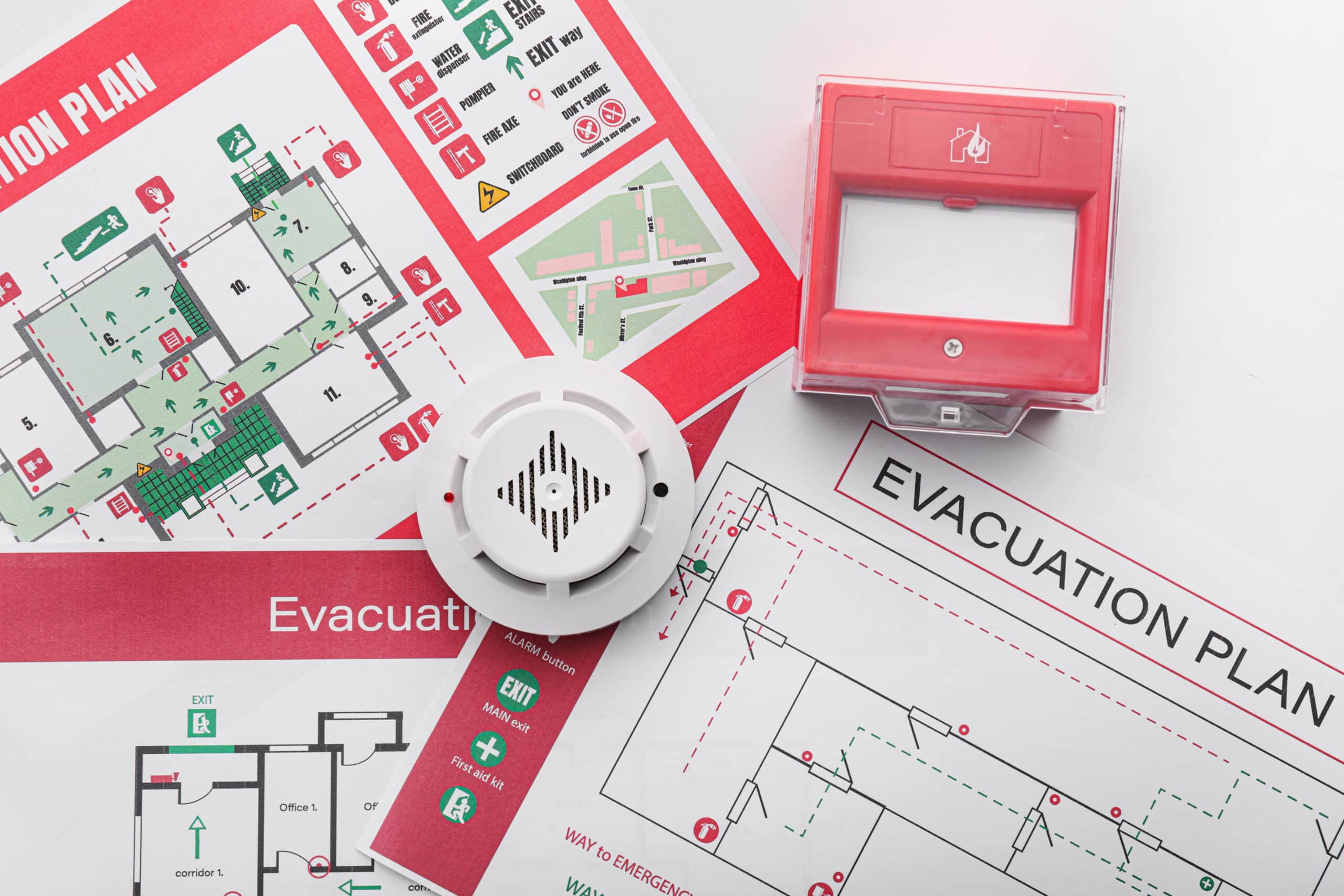
Fire Risk Assessments, on the other hand, focus specifically on the likelihood of a fire, its potential spread, and whether occupants could escape safely. Assessors look at alarm systems, fire doors, signage, materials, and evacuation plans to determine how well-prepared a building may cope in the event of a fire.
Legal Framework and Responsibilities
Several pieces of legislation support the requirement for risk assessments. The Health and Safety at Work etc. Act 1974 and the Management of Health and Safety at Work Regulations 1999 place a duty on those in control of premises to protect the health and safety of staff and visitors.
The Regulatory Reform (Fire Safety) Order 2005 applies to the shared areas of residential buildings and all non-domestic premises. Under this order, a “Responsible Person” must ensure that a Fire Risk Assessment is conducted and regularly reviewed.
For high-rise residential buildings, the Building Safety Act 2022 has introduced stricter obligations, including the role of the “Accountable Person”. This individual must take responsibility for identifying and managing building safety risks and engaging residents in safety processes.
Fire Risk Assessments
A good rule of thumb is to review assessments at least once a year. You should also revisit them after any incident (such as a fire, near miss, or serious accident), after significant refurbishment or changes to the building layout, or when new risks come to light.
There are four levels of Fire Risk Assessment:
- Type 1: A basic, non-intrusive inspection of communal areas.
- Type 2: A more invasive version of Type 1, involving checks behind walls or ceilings to inspect fire barriers.
- Type 3: A non-intrusive assessment that also covers individual flats.
- Type 4: The most detailed, this involves intrusive inspections in both communal and private areas.
The choice of assessment depends on the building’s design, history, and risk profile.
Many property managers choose to work with accredited third-party assessors. While trained staff can carry them out in-house, using an external specialist offers peace of mind and provides an independent perspective.
Best Practice for Property Managers
Effective risk assessment management includes clear record-keeping, planning ahead for major works, and ensuring assessments align with wider building activities. Communicating with residents and contractors is also key – letting them know when assessments are happening and what to expect can help reduce disruption and increase cooperation.
Final Thoughts
Risk assessments are not just about ticking boxes. They’re a foundation for safe, responsible building management. Thorough and regularly reviewed assessments protect lives, reduce liability, and build trust with residents and regulators.
If you’d like any guidance or support, 4site Consulting are here to help.