



Communal areas play an important role in resident’s experience of living in a block of flats. Entrance halls, corridors, stairwells, and shared outdoor spaces are the first things residents and visitors see. When these areas feel clean, welcoming and well cared for, the whole building benefits.
The good news is that improving communal spaces doesn’t always require a large budget. Small, thoughtful upgrades can make a significant difference to how a building looks and functions. From fresh paint and better lighting to clearer signage and simple planting, here are some practical ways to refresh shared areas without overspending.
Start with Lighting
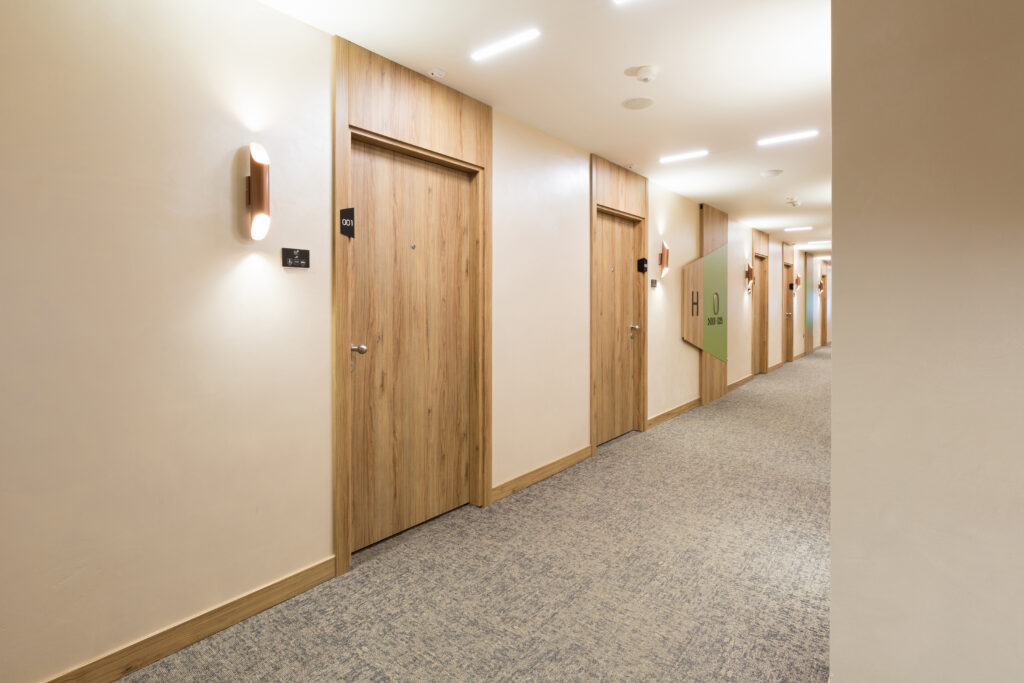
Upgrading lighting is one of the most effective ways to transform communal areas. Poor lighting can make spaces feel uninviting – even unsafe, while well-designed lighting creates a welcoming atmosphere and improves visibility.
Switching to LED lighting is a smart first step. LED bulbs are more energy-efficient and last much longer than traditional bulbs, which helps reduce maintenance and electricity costs over time.
Motion-sensor lighting can also be useful in stairwells, corridors, and bin stores. By activating when needed and turning off automatically, they save energy while improving convenience.
Where possible, consider replacing outdated fixtures with modern fittings. Even simple ceiling lights or wall sconces can give an entrance hall or corridor a cleaner, more contemporary look.
Refresh with Paint
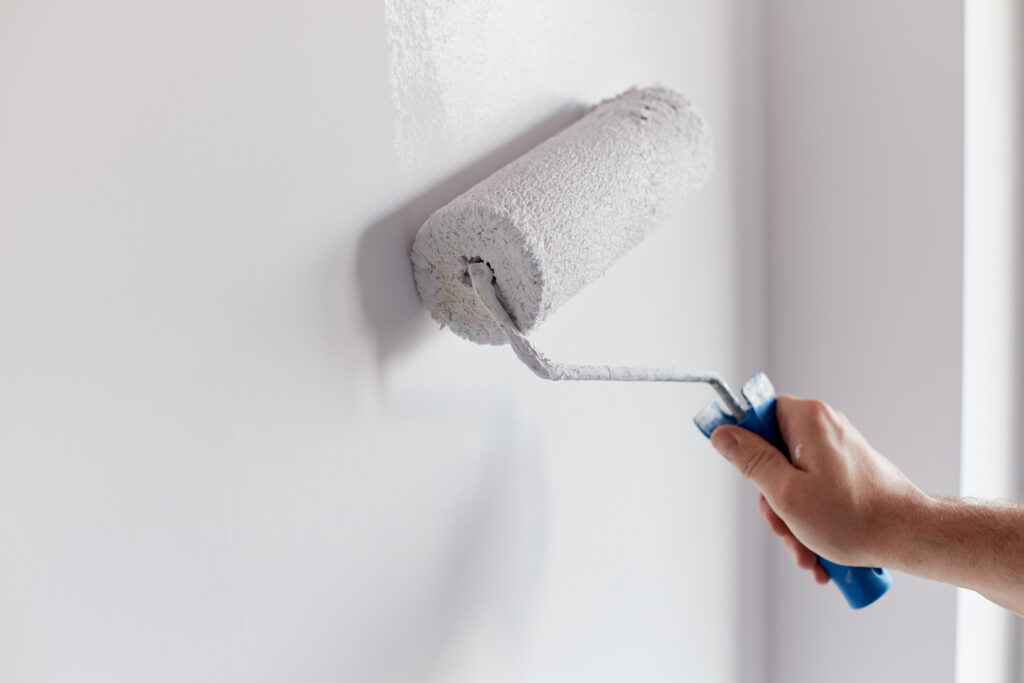
A fresh coat of paint can dramatically improve the appearance of communal spaces. Walls in corridors and stairwells often suffer from scuffs and marks over time, so repainting them in light, neutral colours can instantly brighten the area.
Durable paints designed for high-traffic areas are worth the investment. Washable or stain-resistant finishes help maintain a clean look for longer.
If budgets allow, consider adding subtle design touches. A darker shade along the lower section of the wall can help hide scuff marks, while a contrasting colour on door frames or handrails adds interest without increasing costs too significantly.
Improve Signage and Wayfinding
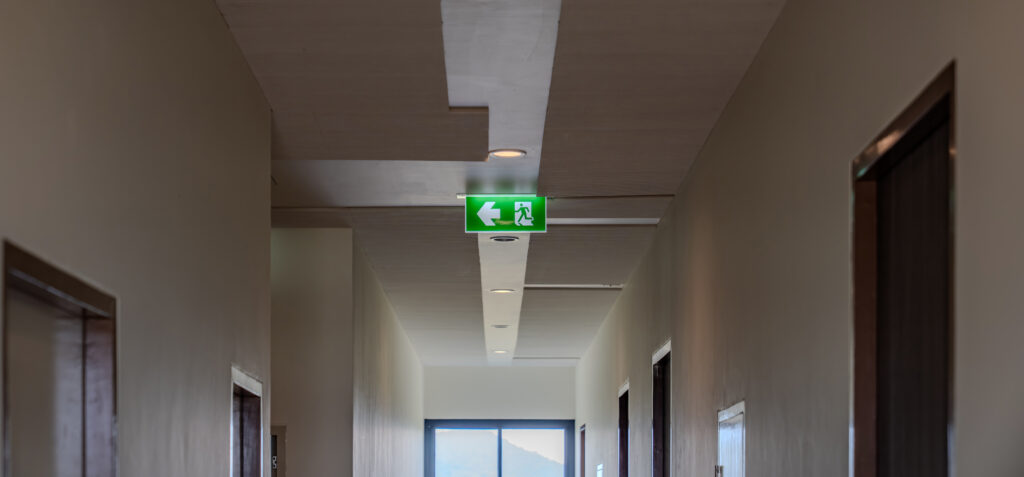
Clear signage is often overlooked but makes a big difference to how easily people can navigate a building. Visitors, delivery drivers, and new residents should be able to find their way without confusion.
Simple improvements include:
- Clearly labelled floor numbers
- Directional signs for lifts, stairs, and exits
- Marked bin and recycling areas
- Identifiable flat numbers and mailboxes
Modern, consistent signage gives a building a more organised and professional appearance. Durable materials such as acrylic, aluminium, or laminated signs can be relatively inexpensive and long lasting.
Wayfinding is especially helpful in larger blocks, where corridors may look similar. Adding simple visual markers, such as coloured floor indicators or wall graphics, can make navigation easier.
Add Greenery and Planting
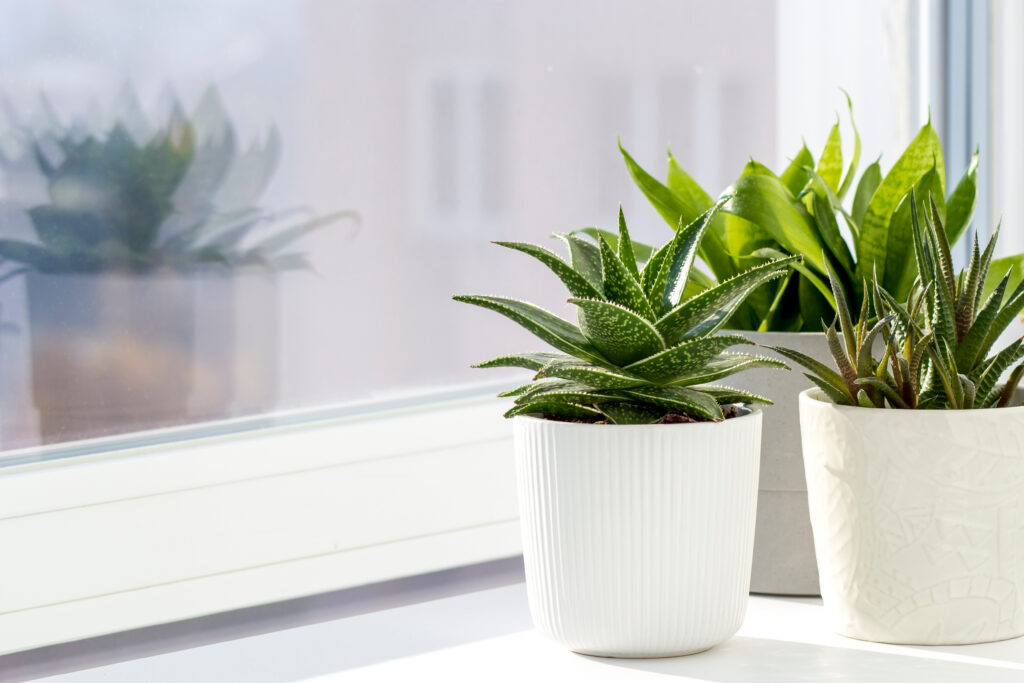
Plants can bring warmth and life to communal areas. Even a small amount of greenery makes spaces feel more welcoming.
Indoor plants in entrance halls or near windows can soften the environment and improve visual appeal. Choose low-maintenance varieties such as snake plants or peace lilies that cope well with indoor conditions.
For buildings with outdoor areas, container planting is a cost-effective option. Pots with seasonal flowers or evergreen shrubs can brighten entrances and shared gardens. These additions often require only minimal upkeep while improving the overall impression of the building.
Maintain Floors and Surfaces
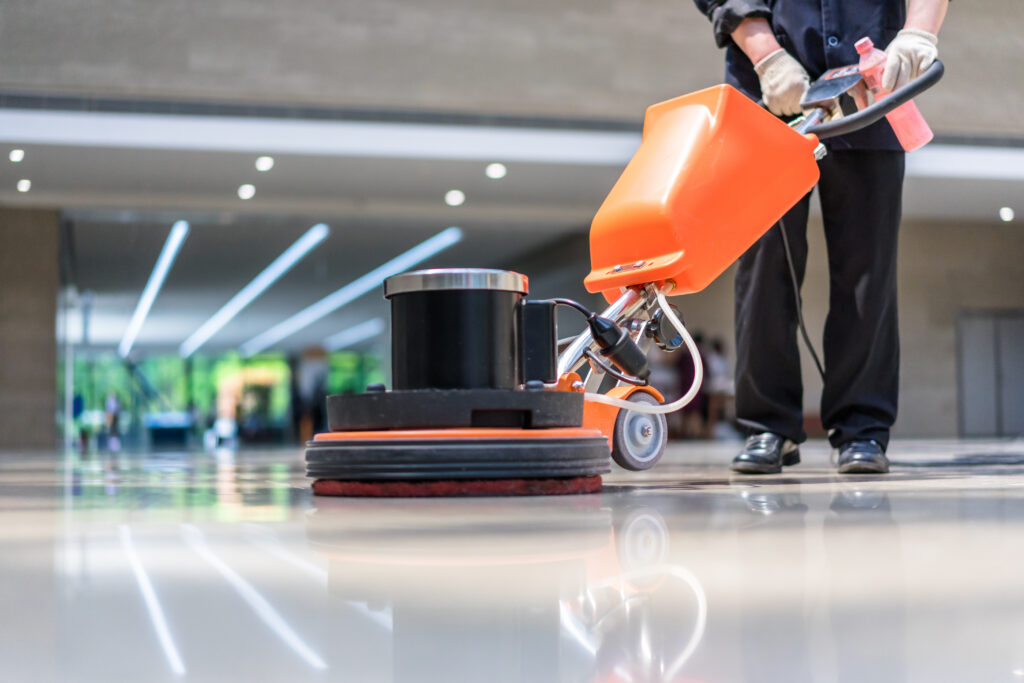
Floors are one of the most noticeable features in communal areas. Replacing flooring can be expensive, but cleaning or restoring existing surfaces can make a big difference.
Professional cleaning of carpets or polishing of hard floors can revive tired-looking spaces. Entrance mats are also a simple but effective upgrade – keeping dirt from spreading through the building and protecting flooring from wear and tear.
If replacement is needed, consider durable materials such as vinyl tiles or commercial-grade carpet. These options are designed for heavy use and are often more affordable than premium finishes.
Encourage Resident Pride
Design improvements help residents feel invested in their building. When communal areas are clean, well-lit, and clearly organised, residents are more likely to treat them with care.
When it comes to carrying out necessary upgrades, communication is paramount. Noticeboards or digital updates can inform residents about planned upgrades and encourage them to respect shared spaces.
In Summary
Redesigning communal areas doesn’t have to involve major refurbishment. Thoughtful improvements such as better lighting, a fresh lick of paint, clear signage, and simple planting can transform shared spaces at relatively low cost.
These small upgrades improve both the appearance and functionality of a building, while creating a more welcoming environment for residents, visitors, and potential buyers. With careful planning and practical choices, even modest budgets can deliver meaningful results.